
- Ali Hamza
- November 17, 2026
ADB approves $500m loan to help Pakistan reform federal pension system
-

- WEB DESK
- November 17, 2026
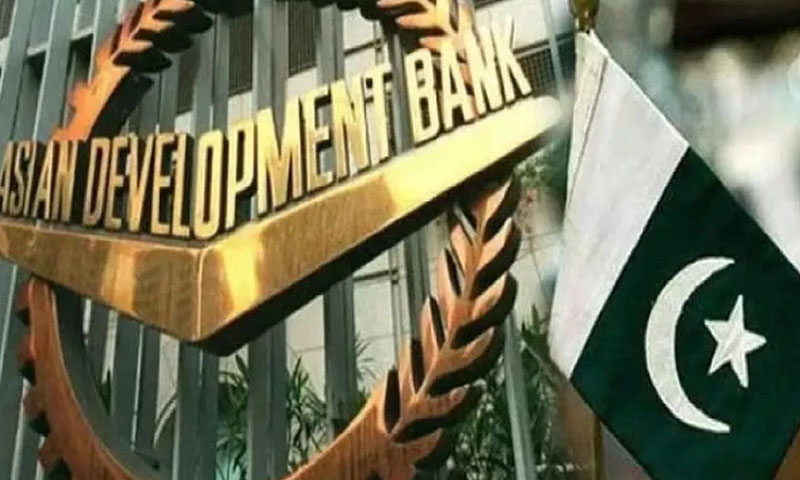
MANILA/ISLAMABAD: The Asian Development Bank (ADB) has approved a $500 million results-based loan to help Pakistan reform its federal civil pension system as the government seeks to contain a rapidly growing retirement bill that now exceeds Rs1 trillion annually.
On January 1, 2025, the federal government notified major reforms to the country’s pension system, abolishing multiple pensions and shifting future pensionable benefit calculations to an average of the salaries drawn over the last two years of service, instead of the last pay drawn before retirement.
According to the Ministry of Finance, the changes had been approved on the recommendations of the Pay and Pension Commission-2020 (PPC) and come into force with immediate effect.
According to the ADB, the financing will support the first phase of the government’s pension reform implementation plan, including the transition from the traditional unfunded defined-benefit arrangement to a contributory pension scheme for new federal civil employees.
Pakistan has already introduced a series of measures to address the growing pension burden. In August 2024, the government announced a contributory pension scheme for federal civil employees appointed on or after July 1, 2024, under which employees and the government would both contribute towards retirement funds. The scheme was subsequently formalised through the Federal Government Defined Contribution Pension Fund Scheme Rules, 2024, notified in October 2025.
Under the revised rules, employees contribute 10 per cent of their pensionable pay, while the government contributes 12 per cent, taking the combined monthly contribution to 22 per cent. The scheme replaces the traditional pension arrangement for new entrants, while existing employees remain outside the new system.
The federal government has also introduced changes to pension calculations and restrictions on multiple pensions as part of broader efforts to reduce expenditure. Under revised rules announced in January 2025, pensions are calculated using the average salary drawn during the last 24 months of service.
According to the ADB, federal pension spending has grown nearly fivefold since fiscal year 2016 and now exceeds Rs1 trillion a year. The country’s longstanding unfunded and non-contributory defined-benefit scheme is financed entirely through annual budget allocations, placing increasing pressure on public finances as pension obligations rise.
ADB Country Director for Pakistan Emma Fan said the country had taken important steps to strengthen its federal pension system and that the programme would help sustain and institutionalise those reforms.
“ADB’s support will help achieve lasting results by strengthening institutions, improving transparency, and supporting a more sustainable pension system,” she said.
The bank said its financing would support improvements in pension management to reduce liabilities, strengthen financial transparency through digital systems, and enhance pension service delivery and financial literacy among beneficiaries.
The programme will also support the transition to the defined-contribution scheme, in which federal civil employees appointed from July 2024 are required to participate.
The ADB’s latest financing comes as Pakistan faces wider fiscal pressures from natural disasters and other economic challenges.
On November 11, the bank approved another $500 million in contingent disaster financing facilities to help Pakistan respond to natural disasters, including floods and earthquakes. The facilities are designed to provide prompt budget support following eligible disasters.
Pakistan suffers estimated annual average losses of around $2 billion from floods, earthquakes and other disasters. The 2022 floods alone caused $14.9 billion in direct damage and $15.2 billion in economic losses, pushing as many as 9.1 million people into poverty.
The ADB, established in 1966, is a multilateral development bank supporting sustainable and inclusive growth across Asia and the Pacific. It is owned by 69 members, including 50 from the region.
You May Also Like


- WEB DESK
- November 17, 2026
Tarar hits back at Bilawal’s bloodshed warning over new provinces

- AFP
- November 17, 2026