
- WEB DESK
- September 13, 2026
Beware of fraud: E-challan phishing scam targets citizens
-

- Sadia Basharat
- April 20, 2026
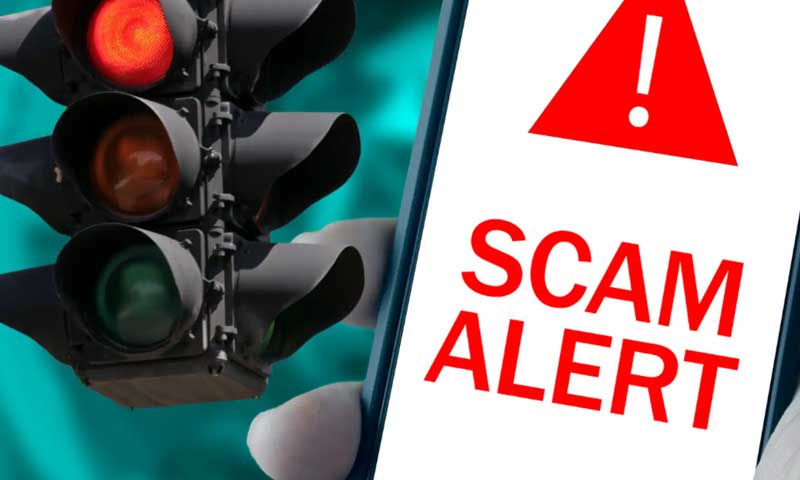
WEB DESK: Citizens are being urged to exercise extreme caution following a surge in fraudulent text messages masquerading as official traffic police e-challan notifications.
Authorities have issued an urgent advisory warning the public not to click on links or make payments through suspicious websites.
These “phishing” messages typically claim that a traffic violation has been recorded against a vehicle and provide a link for immediate payment to avoid further penalties.
However, these links lead to cloned websites designed to harvest sensitive banking information or install malicious software on mobile devices.
Experts advise that official notifications from the Punjab Safe Cities Authority or Islamabad Police will never include a payment link within an SMS, nor will they ask for personal PINs or passwords.
Identifying the hallmarks of a scam
The fraudulent messages are often sent from standard 11-digit mobile numbers rather than official shortcodes.
In Punjab, legitimate e-challan alerts are only dispatched from the shortcodes 9915 or 8070. Scammers frequently use high-pressure tactics, such as threatening the impounding of a vehicle or immediate legal action, to create a sense of panic.
Furthermore, the URLs provided in these fake messages often use unusual domains like .cc, .top, or .xyz, whereas official government portals always end in .gov.pk.
Protecting your personal and financial data
To ensure safety, motorists should only verify their traffic fines through verified government platforms such as the Punjab e-Pay app or the official websites of the relevant police departments.
If a suspicious message is received, it should be reported immediately to the FIA Cyber Crime Wing or the police helpline. Under no circumstances should bank details or One-Time Passwords (OTPs) be shared with unknown parties.
By remaining vigilant and cross-checking notifications through official channels, citizens can protect themselves from significant financial loss and identity theft.
You May Also Like



- Reuters
- September 13, 2026
