Chief justice orders end to Supreme Court austerity measures
-

- Zafar Ali
- June 12, 2026
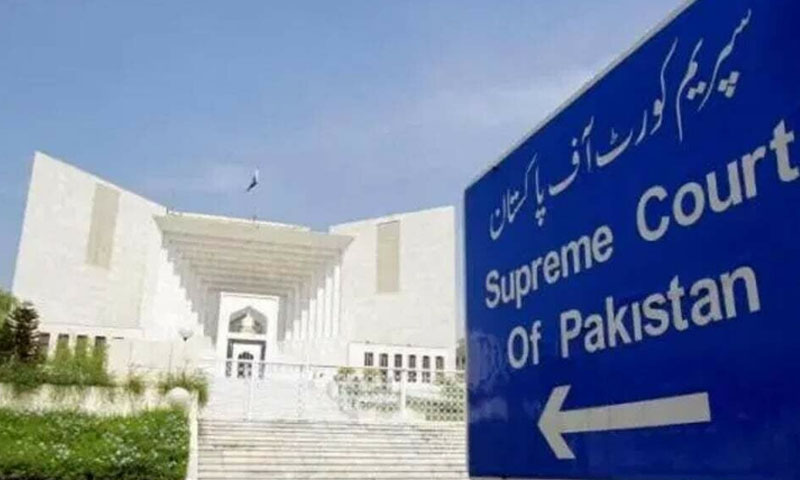

ISLAMABAD: Chief Justice Yahya Afridi has ordered the immediate withdrawal of emergency austerity measures previously implemented country’s top court, signaling a return to normal judicial operations starting next week.
According to an official notification issued by the Supreme Court of Pakistan on June 12, signed by the Senior Assistant Registrar (Admin) Iqbal Hussain, the cost-cutting directives introduced earlier in March have been formally rescinded.
“The Hon’ble Chief Justice of Pakistan has been pleased to order for withdrawal of Notification No.F.22/1/64-2011-SCA dated 10.03.2026,” the official document stated.
“Accordingly, all austerity measures adopted in the said notification shall cease to have effect from 15.06.2026.”
With the policy set to expire on June 15, all administrative and judicial affairs of the Supreme Court will resume under regular protocols.
Oil Crisis and Pakistan’s Economic Emergency
The austerity measures, originally enacted on March 10, 2026, were part of a sweeping national response to an acute economic shock triggered by geopolitical conflict.
Following the outbreak of the US-Iran war earlier in the year, global energy markets suffered severe disruptions.
The conflict led to the volatile closure of key shipping lanes in the Persian Gulf, causing international crude oil prices to skyrocket overnight.
For Pakistan — a country heavily reliant on petroleum imports to sustain its energy grid and transportation sector — the soaring oil prices triggered an immediate balance of payments crisis.
The skyrocketing import bill threatened to deplete the country’s foreign exchange reserves, forcing the government and state institutions to deploy drastic conservation strategies.
In response to the crisis, the federal government mandated a series of energy-saving protocols, including severe cuts to the fuel quotas allocated to government officials, bureaucratic fleets and judicial officers; implementation of hybrid work models, reduced operational hours for public offices, and compressed workweeks to minimize electricity consumption; a complete ban on non-essential institutional purchases, including new vehicles, luxury items, and bureaucratic upgrades.
The Supreme Court’s March 10 notification aligned the judiciary with these national conservation efforts to ease the burden on the national exchequer.
The roll-back of these measures on June 15 marks the first major step by a top-tier state institution toward normalising operations, amid signs of stabilizing energy supply lines.
You May Also Like