
- Reuters
- September 14, 2026
Europe endures record heat in 2025 as climate extremes intensify: WMO
-

- Zafar Ali
- April 29, 2026
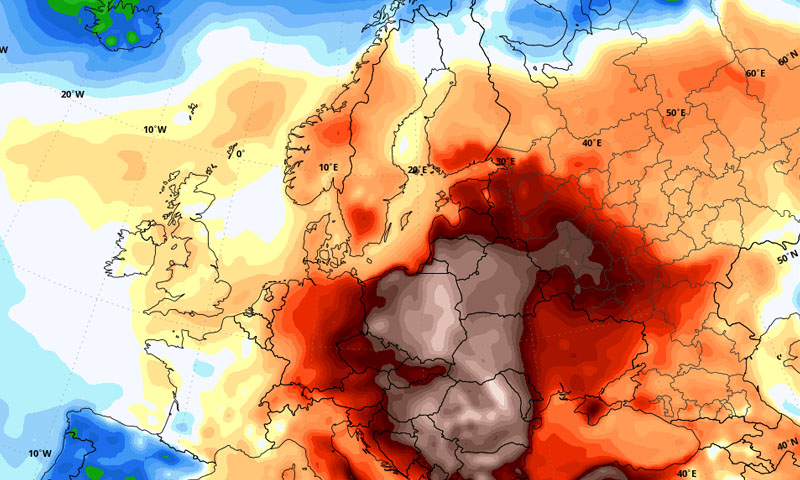
BRUSSELS: Nearly all of Europe experienced above-average temperatures in 2025, as the continent faced a record year for wildfires, sea temperatures and heatwaves, according to a joint report by the World Meteorological Organization (WMO) and the Copernicus Climate Change Service.
The report found that at least 95 per cent of Europe recorded higher-than-average temperatures last year. Wildfires burned more than one million hectares — an area larger than Cyprus — marking the highest annual total on record.
Europe remains the fastest-warming continent in the world, with the findings highlighting the growing impact of climate change amid ongoing policy debates in the European Union. While the bloc has pledged to maintain its environmental targets, it relaxed certain climate regulations for industries last year following pressure from businesses.
The report noted that more than half of Europe faced drought conditions in May 2025, while the year ranked among the three driest for soil moisture since 1992. Scientists warned that such conditions are placing increasing strain on agriculture.
Sea surface temperatures across Europe reached record highs, with 86 per cent of the region affected by severe marine heatwaves.
“Climate change is not a future threat, it is our present reality,” said Samantha Burgess of the European Centre for Medium-Range Weather Forecasts, stressing the need for urgent action.
The report also raised concerns about warming in Europe’s coldest regions, where snow and ice play a crucial role in reflecting sunlight — a process known as the **albedo effect**. Reduced ice cover accelerates warming and contributes to rising sea levels.
Parts of sub-Arctic Europe — including Norway, Sweden and Finland — recorded their longest heatwave on record in July, lasting three weeks. Temperatures inside the Arctic Circle exceeded 30 degrees Celsius during this period.
Meanwhile, Iceland experienced its second-largest glacier loss since records began, underscoring the accelerating pace of environmental change across the region.
You May Also Like



- WEB DESK
- September 14, 2026