- WEB DESK
- October 17, 2026
Mir Raza case: Family rejects new medical board for third time, appeals to Sindh CM
-

- Muhammad Arif Mehdi
- August 7, 2026
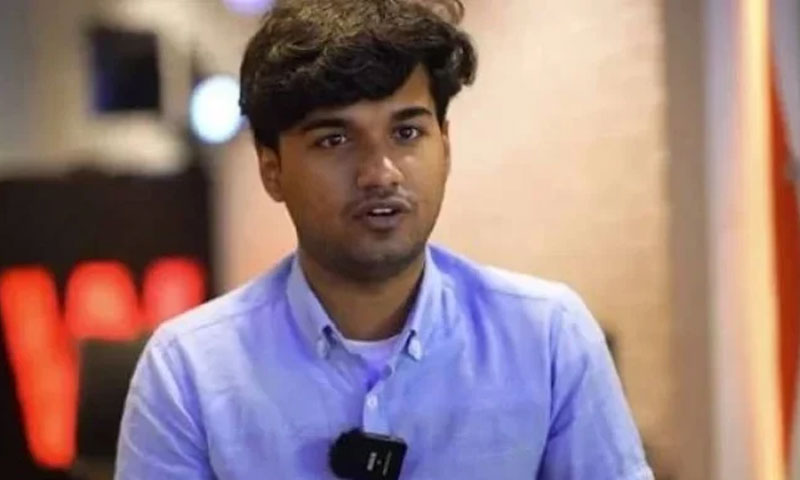
KARACHI: The exhumation process for the body of young businessman Mir Raza, whose death in Karachi’s Gulistan-e-Johar area has remained shrouded in mystery, ran into another controversy on Friday after the deceased’s family rejected changes made to the medical board overseeing the process for the third time.
The family refused to allow the exhumation to be carried out under the newly constituted medical board, their lawyer Jibran Nasir said, submitting an application to the magistrate at the scene stating that the process must proceed under the medical board originally formed for the case, not the one appointed later.
The exhumation follows a Sindh government order constituting an eight-member medical board to conduct a fresh medico-legal examination. Preparations had been completed, with the magistrate and board members arriving at the graveyard, though it remained unclear for some time whether the exhumation would proceed amid the standoff. All individuals not directly connected to the proceedings were asked to leave the enclosure set up at the site, with a heavy police contingent deployed on the ground.
The family’s objections stemmed from authorities reconstituting the medical team late Thursday night. The deceased’s father, Mir Hussain, along with Nasir, rejected the newly formed board outright, with Mir Hussain refusing to allow the exhumation to proceed under its supervision.
Addressing reporters later, Nasir said the family would not accept the newly constituted board under any circumstances. “We reject the new medical board,” he said, adding that they had formally informed the magistrate that it was unacceptable. “We do not accept even the third notification regarding the medical board,” he said, making clear the family’s objection extended beyond just the latest change.
Nasir said Mir Raza’s father had appealed to the Sindh chief minister to personally look into the matter. Referring to concerns Mir Raza himself had raised before his death, Nasir said, “He was saying his life was in danger, and you are calling it depression.” He further alleged, “We were not allowed to view the complete CCTV footage.”
Mir Raza Ali exhumation case
The board, headed by Dow Medical College pathology chief Prof Dr Naseem Ahmed, was formed on the Sindh health secretary’s directions after a judicial magistrate ordered the exhumation to address concerns over the original post-mortem.
The order came after the victim’s father petitioned the court for exhumation, with his counsel arguing that the initial autopsy report contained serious deficiencies requiring a fresh forensic examination. The prosecution raised no objection, and the magistrate approved the request.
The case gained traction after Karachi Police Surgeon Dr Summaiya Syed flagged multiple shortcomings in the original post-mortem in a letter to the SSP East, including the absence of gunpowder residue analysis, missing X-rays, no internal examination of the skull and neck, inadequate forensic photography, and failure to collect DNA samples. She also questioned the documentation of entry and exit wounds, bullet trajectory, and the overall forensic methodology used. The investigation team rejected the criticism, noting the police surgeon had not personally conducted the autopsy and that the cause of death would be determined only after all legal and forensic procedures were completed.
The newly formed board, which also includes officials from Sindh Medical College, JPMC and the CPLC, was tasked with overseeing the exhumation and a comprehensive re-examination to help establish the circumstances of Ali’s death, though the process has since become contested, with the family and their lawyer rejecting the board’s composition at the graveyard itself.