
- WEB DESK
- November 13, 2026
Religious scholars back birth spacing to protect mothers, children
-

- WEB DESK
- November 13, 2026
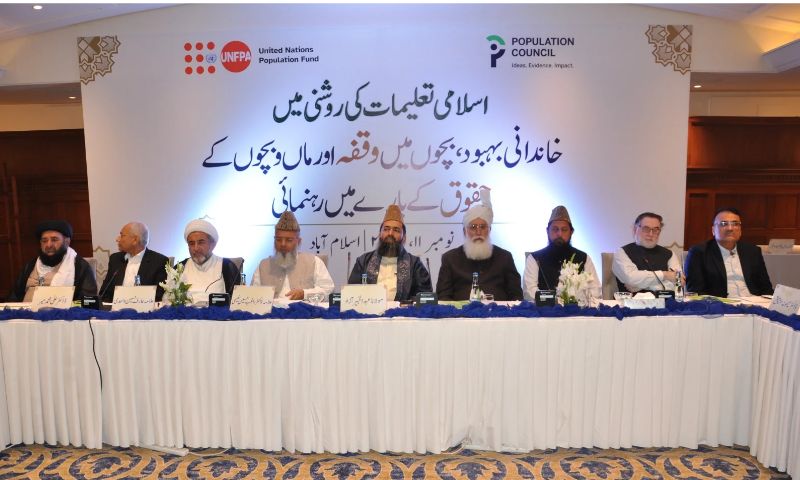
ISLAMABAD: Religious scholars from different schools of thought have endorsed healthy birth spacing, or waqfa, as a means of protecting maternal and child health, saying it is consistent with Islamic teachings and promotes stronger families.
The endorsement came at a consultative dialogue organised by the Population Council in collaboration with the United Nations Population Fund (UNFPA), which brought together religious scholars, health experts and policymakers to discuss responsible parenthood, family well-being and maternal and child health.
Participants said adequate intervals between pregnancies could help reduce health risks for mothers and children, stressing the need to raise awareness through mosques, educational institutions and community networks.
In his opening remarks, Population Council Pakistan Country Director Dr Ali Mohammad Mir said Pakistan continued to face serious maternal health challenges, with a mother dying every 37 minutes.
“Protecting the health and dignity of women and ensuring the well-being of children is not only a public health priority but a collective social and moral responsibility,” he said, calling on religious scholars to guide families towards informed decisions.
Mir said healthy birth spacing could save lives and was consistent with Islamic teachings, urging religious leaders to take the message to communities across the country.
Maulana Abdul Khabeer Azad, chairman of the Central Ruet-e-Hilal Committee and khateeb of Lahore’s Badshahi Mosque, said protecting mothers and children was in line with Islamic principles.
“Saving lives, safeguarding families and ensuring the welfare of mothers and children are among our collective religious and humanitarian responsibilities,” he said, urging scholars to spread awareness through mosques and households.
Addressing the gathering, Council of Islamic Ideology Chairman Allama Dr Raghib Hussain Naeemi said children were a trust from Allah and both parents shared responsibility for their upbringing and well-being.
He said protecting mothers’ health, fulfilling children’s rights and strengthening families were responsibilities shared by parents and society.
In a keynote presentation, Brigadier (retd) Dr Maimoona Mushtaq, patron of the Society of Obstetricians and Gynaecologists of Pakistan, highlighted the health risks associated with closely spaced pregnancies.
She said adequate intervals between pregnancies, along with timely healthcare and proper nutrition, could improve maternal and child health outcomes and help prevent avoidable deaths.
Religious scholars attending the consultation agreed that responsible parenthood, women’s dignity and birth spacing were compatible with Islamic values.
They said Islam accorded women great dignity as mothers and placed emphasis on the quality of children’s upbringing rather than their number. Adequate care, education and character-building, they added, required time and attention from parents.
The participants called for greater use of religious platforms to promote awareness about maternal health and healthy birth spacing.
UNFPA Pakistan Programme Analyst Dr Farid Khan also stressed the importance of engaging religious leaders and communities in efforts to improve maternal and child health.
Shakeel Ahmad, chief of the Population Wing at the Ministry of Planning, Development and Special Initiatives, called for translating the consultation’s recommendations into policy measures. He proposed submitting them to the National Population Council for consideration.
Director General Religious Education and Training Dr Ghulam Qamar called for sustained cooperation among religious scholars, policymakers and health professionals to improve maternal and child well-being.
The participants pledged to promote the message of “Sehatmand Maa, Sehatmand Bachcha, Sehatmand Khandaan” (healthy mother, healthy child, healthy family) through mosques, educational institutions and community networks across Pakistan.
At the conclusion of the consultation, religious scholars from different schools of thought signed a joint declaration endorsing healthy birth spacing as a beneficial health intervention and reaffirming their commitment to protecting mothers and children.
You May Also Like
- WEB DESK
- November 13, 2026
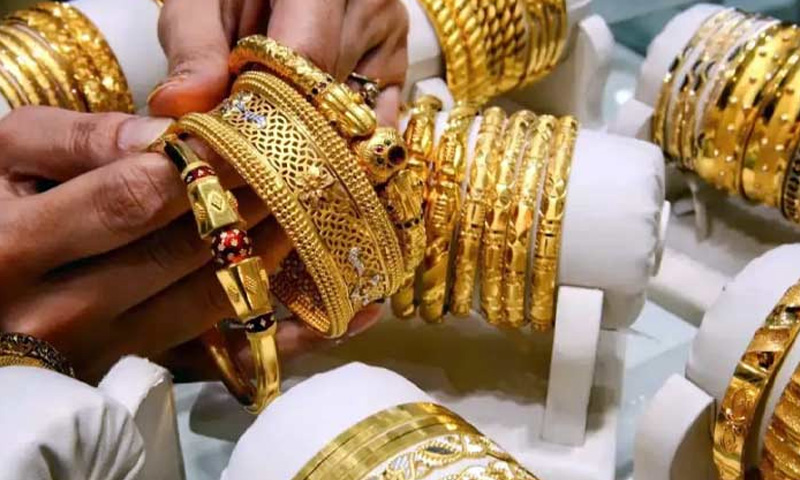
Gold prices plunge for second consecutive day in Pakistan
- Reuters
- November 13, 2026
