- Reuters
- September 12, 2026
Fragile Lebanon ceasefire threatened by ‘Israeli aggression’ as Trump hints at Iran peace deal
-

- Sadia Basharat
- April 17, 2026
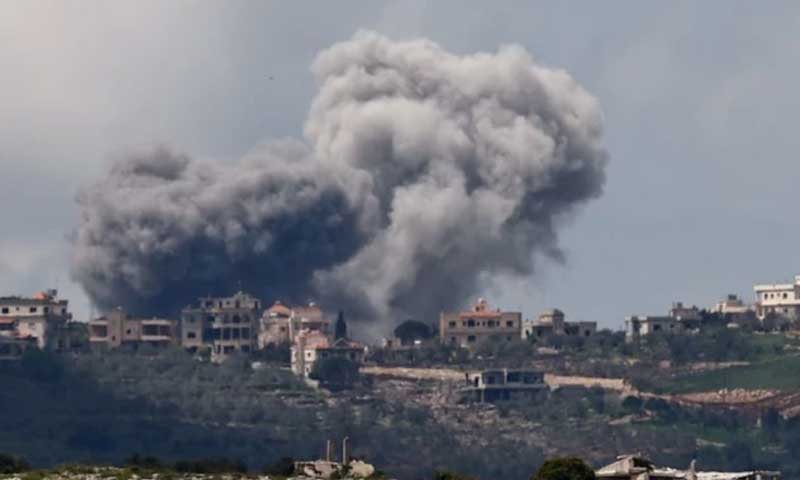
WEB DESK: The ten-day ceasefire between Israel and Hezbollah, which came into effect at midnight on Friday, is facing an immediate test following reports of multiple violations.
The Lebanese Army has accused Israel of carrying out “acts of aggression” shortly after the truce began, dampening the spirits of thousands who had taken to the streets of Beirut to celebrate the cessation of hostilities.
Despite the celebratory gunfire and rockets that illuminated the Lebanese capital at midnight, the situation on the ground remains precarious.
In an official statement released via X, the Lebanese military urged residents in the south to exercise extreme caution, warning them against returning to their homes in border villages due to “intermittent shelling” and continued Israeli military activity.
The Israeli military has not commented directly on the accusations of shelling but maintained that its forces remain deployed in the region.
An Arabic-language spokesperson for the IDF, Avichay Adraee, stated that the ongoing presence is a necessary response to “continued Hezbollah militant activity.” For its part, Hezbollah claimed its final military operation occurred at 11:50 pm on Thursday, strictly adhering to the midnight deadline.
Trump signals “Nuclear Deal” breakthrough with Tehran
While tensions simmer on the Lebanese border, President Donald Trump has injected a wave of optimism into the broader regional conflict, suggesting that a definitive peace deal with Iran could be signed as early as this weekend.
Speaking outside the White House, the President claimed that the United States and Iran are “very close” to an agreement that would see Tehran forgo nuclear weapons for at least 20 years.
“We’re going to see what happens, but I think we’re very close to making a deal,” Trump told reporters, noting that the combination of a month-long bombing campaign and a “powerful blockade” had brought Tehran to the negotiating table.
The President indicated that if a deal is finalised during the upcoming talks in Islamabad, he may travel to Pakistan to sign the accord personally. He has already dispatched Vice President JD Vance and Secretary of State Marco Rubio to lead the diplomatic push.
Economic stakes rise as Pakistan mediates over Strait of Hormuz
The conflict, which erupted on 28 February, has devastated the regional economy and sent global oil prices to record highs following the closure of the Strait of Hormuz.
International mediators, led by Pakistan’s Chief of Defence Forces, Field Marshal Asim Munir, have been working frantically to resolve the “sticky issues” regarding Iran’s highly enriched uranium (HEU) stockpile.
Diplomatic sources suggest a compromise is emerging: Tehran is reportedly considering shipping a portion of its HEU out of the country in exchange for the lifting of crippling sanctions and the unfreezing of billions of dollars in assets.
However, Iranian officials remain firm that the Strait of Hormuz will only fully reopen once a permanent ceasefire is guaranteed by the United Nations, ensuring protection against future US or Israeli strikes.
As US Defence Secretary Pete Hegseth warns that troops remain poised to resume combat operations, the world watches the Islamabad summit with bated breath, hoping for an end to the “oil price shock” and the looming threat of global recession.
You May Also Like

- WEB DESK
- September 12, 2026
England clinch third Test by eight wickets to complete series whitewash
- Reuters
- September 12, 2026