- Web Desk
- October 12, 2026
From 1949 to 2026: Pakistan’s history of emergency and governor’s rule
-

- WEB DESK
- October 12, 2026
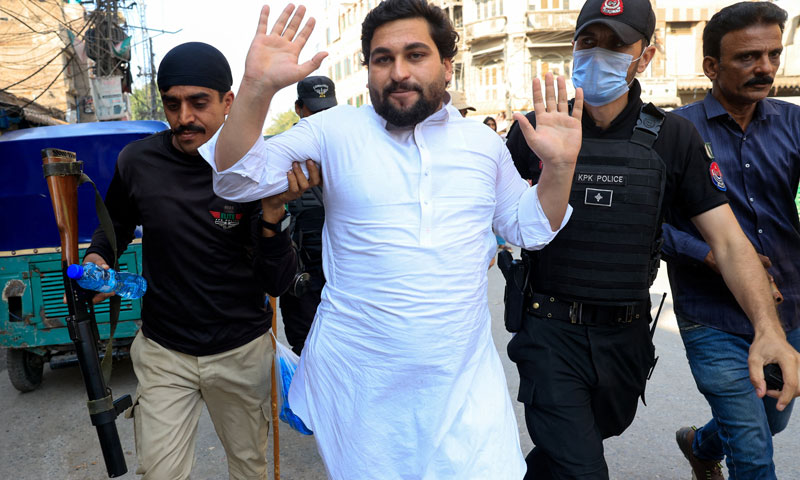
Pakistan’s political history is marked by recurring federal interventions in provincial affairs, with successive governments invoking extraordinary constitutional powers during political confrontations, constitutional disputes and tensions between the Centre and the provinces.
The federal government’s decision to impose a state of emergency and governor’s rule in Khyber Pakhtunkhwa on October 11, 2026, has once again brought a central constitutional question into focus: how frequently have successive governments resorted to these measures, what justifications have they offered, and what have the interventions meant for provincial autonomy and democratic governance?
A chronological review of these episodes highlights how federal authorities have responded to provincial crises and political confrontations through exceptional measures, repeatedly testing the balance between federal authority and provincial autonomy.
The early precedents
1949–1953: Punjab and Sindh
The first instance of governor’s rule in Pakistan came in West Punjab on January 25, 1949, less than 18 months after independence, when Prime Minister Liaquat Ali Khan dismissed the provincial government of Chief Minister Nawab Iftikhar Hussain Khan Mamdot after questioning his claim that he commanded a majority in the provincial assembly. The assembly was dissolved, and the province came under direct federal control.
The intervention arose from a power struggle within the Muslim League, particularly the rivalry between Mamdot and former chief minister Mumtaz Daultana. Governor’s rule continued until April 1951.
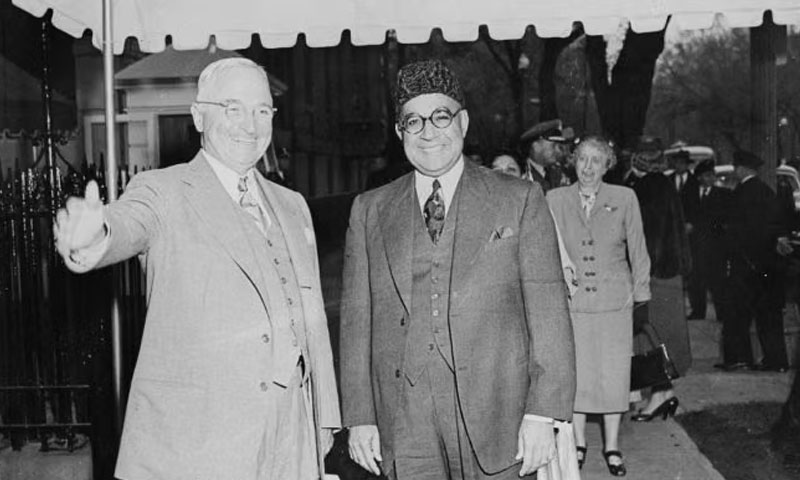
Sindh followed on December 29, 1951, when Prime Minister Liaquat Ali Khan dismissed Chief Minister Muhammad Ayub Khuhro amid allegations of corruption and maladministration. Governor Mian Aminuddin assumed power and administered the province until May 1953, when provincial elections brought Pirzada Abdus Sattar to power.
1954: State of emergency and dissolution of Constituent Assembly
On October 24, 1954, Governor-General Malik Ghulam Muhammad dissolved Pakistan’s First Constituent Assembly amid a wider constitutional struggle over the distribution of power between East Bengal and West Pakistan, proposals for the One Unit scheme and attempts to curtail the governor-general’s powers.
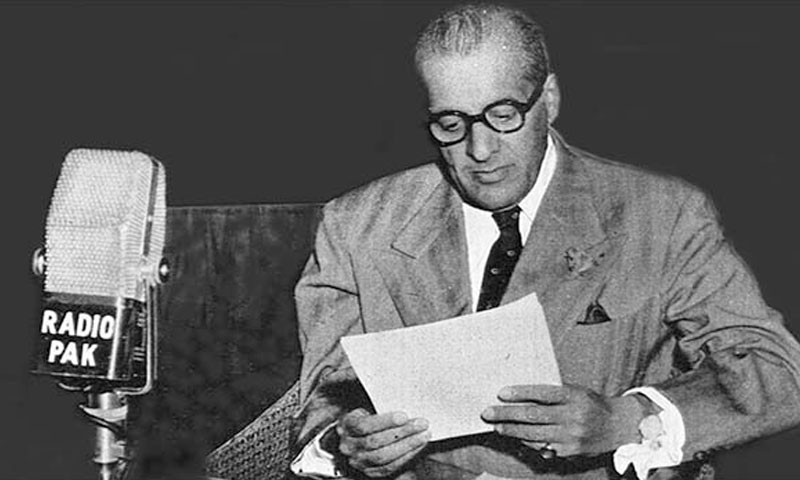
The assembly’s president, Maulvi Tamizuddin Khan, challenged the dissolution. Although the Sindh High Court initially ruled in his favour, the Federal Court overturned that decision in 1955, validating the governor-general’s action under the doctrine of necessity.
This episode should be distinguished from governor’s rule in a province. It was a national constitutional intervention involving the dissolution of the Constituent Assembly, rather than the imposition of governor’s rule in a province under the present-day Article 234.
1971: Nationwide emergency
President Yahya Khan issued a nationwide proclamation of emergency on November 23, 1971, amid the escalating conflict that culminated in the separation of East Pakistan.
The 1973 Constitution subsequently provided for the continuation of this proclamation under Article 280. A joint sitting of Parliament approved the proclamation and its continuation on September 5, 1973.
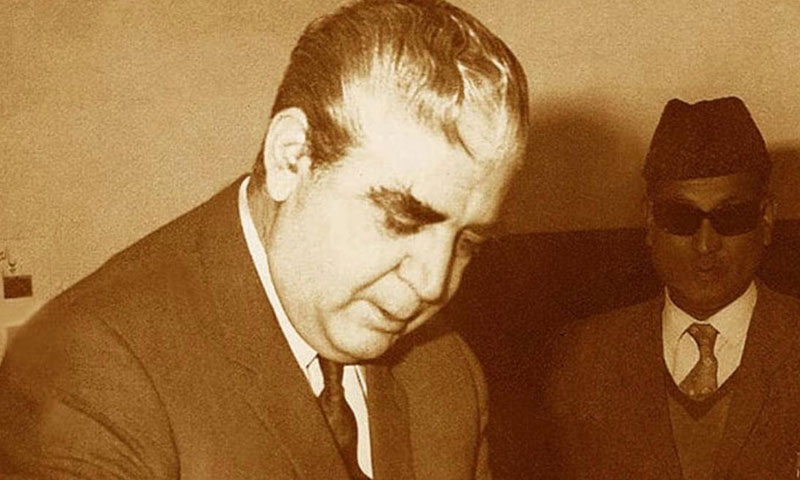
This was a nationwide emergency, distinct from governor’s rule, which concerns federal intervention in the administration of a province.
After 1971: Provincial interventions and emergencies
1973–1976: Balochistan and former NWFP
On February 13, 1973, Prime Minister Zulfikar Ali Bhutto’s federal government dismissed the Balochistan government led by Chief Minister Sardar Ataullah Mengal and removed Governor Mir Ghaus Bakhsh Bizenjo. The government cited unrest and the discovery of weapons at the Iraqi embassy in Islamabad.
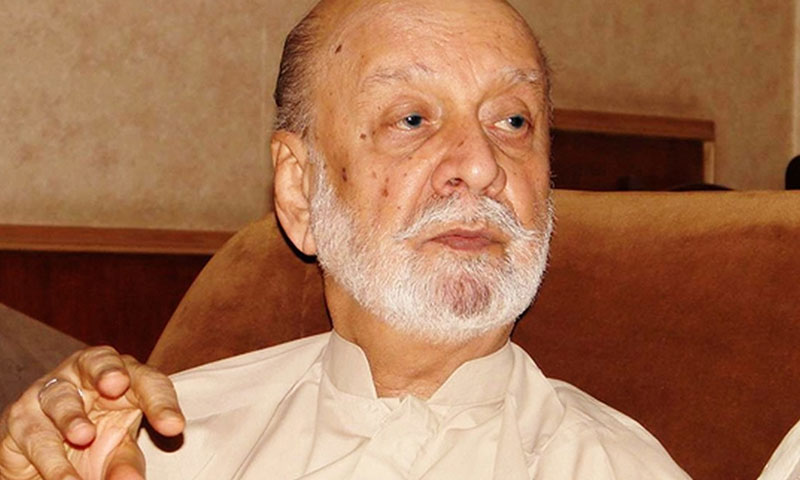
Nawab Akbar Bugti was appointed governor, and governor’s rule continued until April 27, 1973, when Jam Ghulam Qadir Khan formed a new provincial government.
On February 16, 1975, Prime Minister Zulfikar Ali Bhutto’s federal government imposed emergency measures in the former North-West Frontier Province (NWFP), now Khyber Pakhtunkhwa, following the assassination of senior minister Hayat Muhammad Khan Sherpao in a bomb blast at the University of Peshawar.
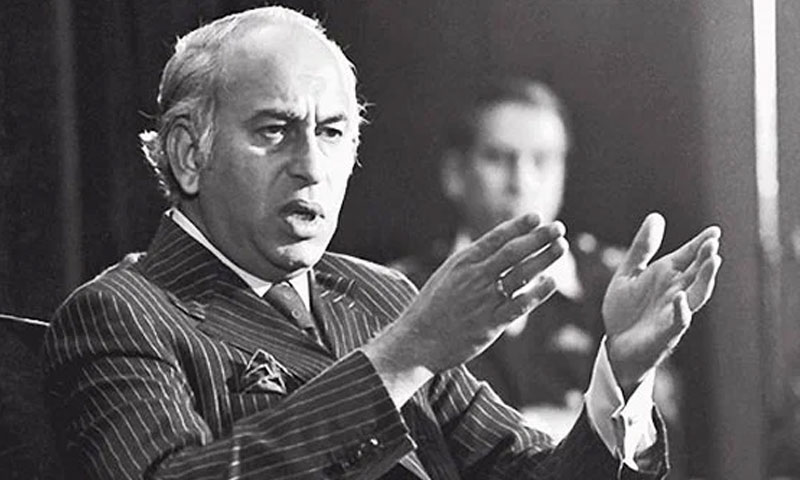
The intervention removed Chief Minister Sardar Inayatullah Khan Gandapur’s government. The federal government also banned the National Awami Party and arrested opposition figures. Major General (retd) Syed Ghawas administered the province during the intervention, which ended on May 3, 1975, when Nasrullah Khan Khattak became chief minister.
Balochistan again came under governor’s rule on December 31, 1975, when Prime Minister Bhutto’s government dismissed Chief Minister Jam Ghulam Qadir Khan amid tribal unrest, insurgency and allegations of administrative failure. Governor Mir Ahmad Yar Khan assumed responsibility for provincial administration. The intervention continued until December 6, 1976, when Mohammad Khan Barozai became chief minister.
1990–1998: Emergency powers and provincial interventions
Ghulam Ishaq’s nationwide emergency
In August 1990, President Ghulam Ishaq Khan dismissed Prime Minister Benazir Bhutto’s government, dissolved the National Assembly and declared a nationwide emergency. The emergency was lifted in November 1990, when Nawaz Sharif took office as prime minister.
Governor’s rule in former NWFP
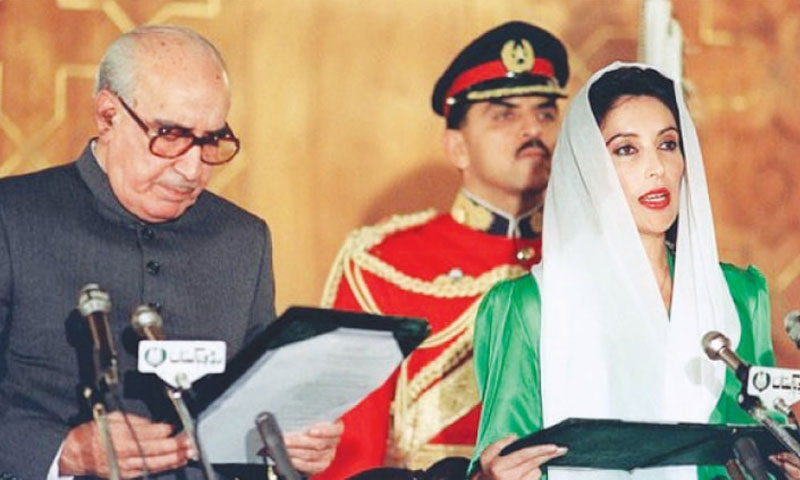
In February 1994, Benazir Bhutto’s government imposed governor’s rule in the former NWFP, removing Chief Minister Pir Sabir Shah’s provincial government. Governor Khurshid Ali Khan assumed executive authority. The measure ended in April, when Aftab Ahmad Khan Sherpao became chief minister.
Governor’s rule in Sindh
In Sindh, the federal government imposed governor’s rule on October 30, 1998, under Prime Minister Nawaz Sharif. The intervention followed deteriorating law and order in Karachi, political confrontation involving the Muttahida Qaumi Movement and the federal government, and the assassination of former governor Hakim Muhammad Saeed.
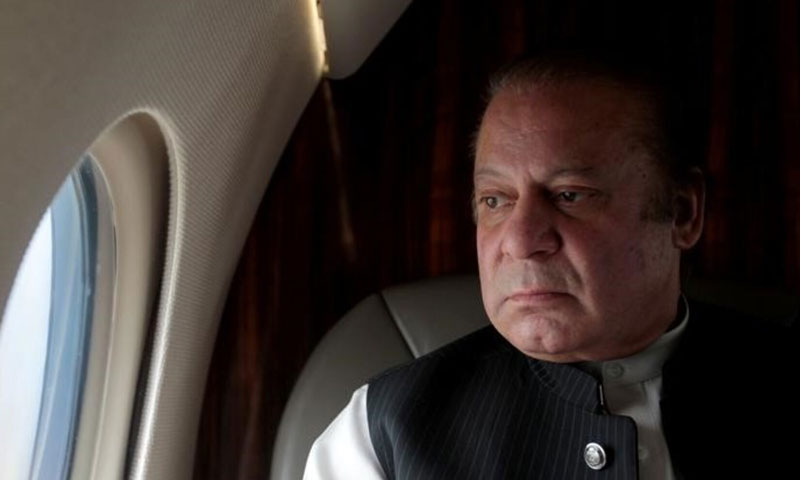
Under the proclamation, Governor Moinuddin Haider assumed the functions and powers of the provincial government on behalf of the federation. It was issued while a state of emergency was already in force.
2007–2013: Emergency and governor’s rule
On November 3, 2007, President Pervez Musharraf imposed a nationwide emergency, citing terrorism and what he described as judicial interference in government.
The Constitution was held in abeyance, judges were required to take a fresh oath, and lawyers and opposition figures were detained. The emergency ended on December 15, 2007. In 2009, the Supreme Court declared the emergency and associated measures unconstitutional.
Governor’s rule in Punjab
In February 2009, President Asif Ali Zardari imposed governor’s rule in Punjab after the Supreme Court disqualified Nawaz Sharif and Shehbaz Sharif. Salman Taseer became governor, and Shehbaz Sharif and his cabinet were barred from office, although the provincial assembly was not dissolved. The arrangement ended in March 2009, allowing the PML-N government to return to power.
Governor’s rule in Balochistan
On January 13, 2013, Prime Minister Raja Pervez Ashraf announced governor’s rule in Balochistan after protests over deadly bombings in Quetta that killed more than 90 people. President Asif Ali Zardari formally approved the order on January 14, dismissing Chief Minister Nawab Aslam Raisani’s government and authorising Governor Nawab Zulfiqar Ali Magsi to assume executive powers. Governor’s rule ended in March 2013.
2026: Emergency and governor’s rule in Khyber Pakhtunkhwa
On October 11, 2026, President Asif Ali Zardari, acting on the advice of Prime Minister Shehbaz Sharif, proclaimed a state of emergency and imposed governor’s rule in Khyber Pakhtunkhwa under Articles 232 and 234 of the Constitution, respectively.
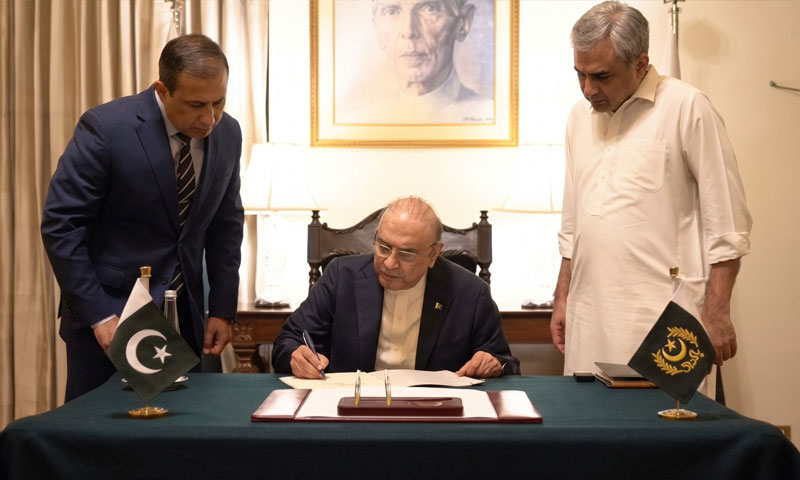
Under the proclamation, Chief Minister Sohail Afridi, his provincial cabinet and advisers ceased to hold office. Governor Faisal Karim Kundi assumed responsibility for provincial administration, assisted by an 11-member advisory council.