- WEB DESK
- September 14, 2026
GCC leaders hold emergency summit in Jeddah amid rising tensions
-

- Sadia Basharat
- April 29, 2026
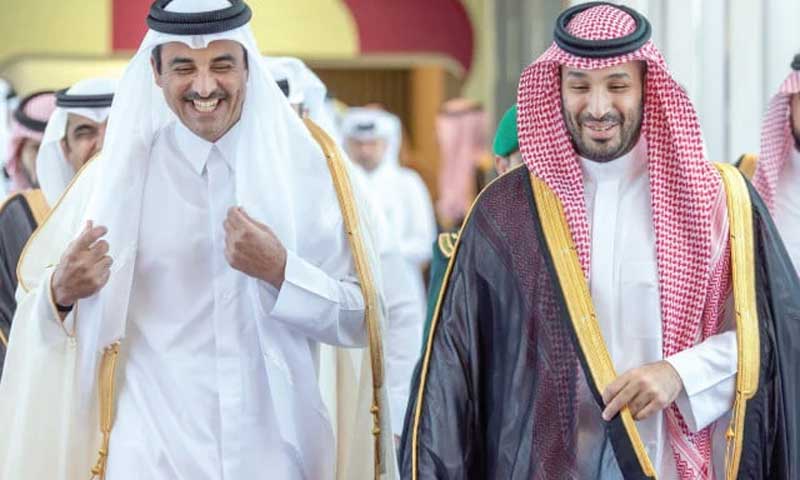
WEB DESK: Gulf Cooperation Council (GCC) leaders gathered in Jeddah on Tuesday for a high-level consultative meeting chaired by Saudi Crown Prince Mohammed bin Salman.
This marks the first face-to-face assembly of the bloc since the region was pulled into the periphery of the devastating Iran conflict two months ago.
According to Saudi state media, the summit focused on “regional and international developments,” as well as the “coordination of efforts” to address the fallout of the war.
However, the diplomatic tone of the official communiqué belies the severity of the situation on the ground.
A Gulf official, speaking on condition of anonymity, confirmed the primary objective was to formulate a unified response to the barrage of Iranian missile and drone strikes that have battered the peninsula since hostilities commenced on 28 February.
Infrastructure in the crosshairs
The conflict, ignited by joint U.S. and Israeli strikes on Iran, has seen the GCC states become a primary front. Despite not being direct combatants, all six member nations have reported significant damage to vital energy infrastructure.
The attacks, which spiked in March, targeted military installations and civilian projects, with a specific focus on firms linked to the United States.
While a ceasefire between Washington and Tehran, brokered on 8 April, has led to a temporary lull in hostilities, the atmosphere in Gulf capitals remains one of extreme caution.
Negotiations for a permanent peace deal are currently deadlocked, leaving the region in a precarious state of “wait and see.”
A house divided over defence
The Jeddah summit also highlighted growing internal friction within the council. While heavyweight figures including Qatar’s Emir and Bahrain’s King were in attendance, the UAE has been vocal in its dissatisfaction regarding the bloc’s collective performance during the crisis.
Senior Emirati official Anwar Gargash offered a blunt assessment of the GCC’s response during a conference on Monday.
Although acknowledging logistical cooperation, Gargash described the political and military stance of the council as the “weakest in history.”
His comments, which drew a sharp contrast between the GCC’s historical unity and its current indecision, underscore a burgeoning rift that the Jeddah talks will be under immense pressure to mend.