- WEB DESK
- August 24, 2026
Google Veo 3.1: impressive AI video upgrade or another step toward digital confusion?
-

- WEB DESK
- October 20, 2025
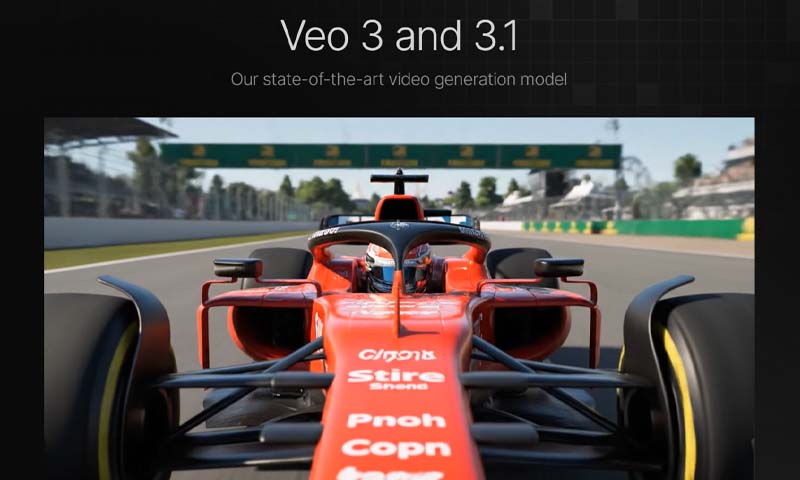
WEB DESK: Google has quietly rolled out Veo 3.1, an upgrade to its powerful AI video generator, raising both excitement and eyebrows across the tech community. The company says the update delivers “richer audio” and “enhanced realism,” pushing the boundaries of what AI can create in moving pictures.
The new version builds upon Veo 3, which already stunned users by producing lifelike videos complete with synced sound effects and dialogue. With Veo 3.1, Google has gone further, introducing tools that make editing AI-generated clips feel more like working on a real film set than typing prompts into a computer.
According to Google, the upgrade allows users to include reference images for specific people, objects, or scenes. The AI then weaves those elements into the final video through its editing suite, Flow. Users can now even insert or remove characters, props, or lighting from a clip, essentially rewriting a scene after it has been generated.
Powerful new tools for creators
One of Veo 3.1’s standout features is “First and last frame,” which lets creators define how a scene begins and ends. Google’s AI fills in the rest, producing smooth, coherent footage that connects the two moments seamlessly.
Flow, the companion video editor, has also received significant upgrades. It now allows finer control over visuals, audio layering, and narrative pacing. Google describes it as a creative toolkit for filmmakers, animators, and advertisers looking to visualise concepts faster and more efficiently.
Veo 3.1 is available to users of the Gemini app and Vertex AI through a Google AI Pro subscription. Developers can access it through the Gemini API, though some advanced features—such as “Add object” and “Remove object”—are still on the way.
The blurred line between creativity and control
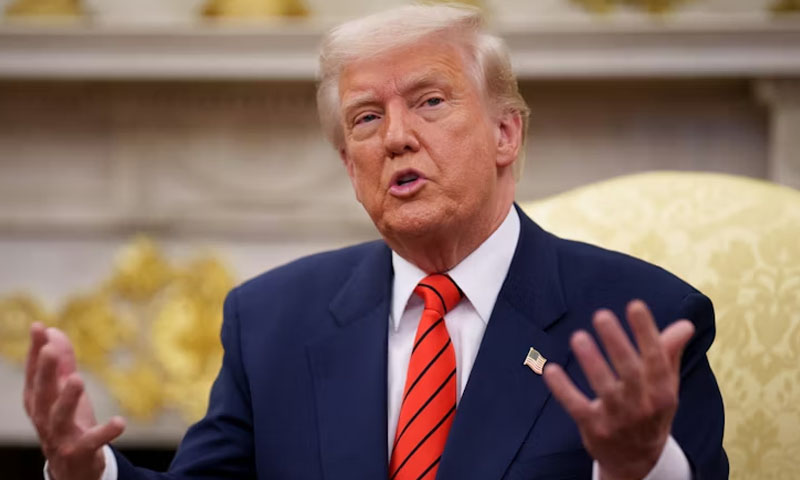
While Google promotes Veo 3.1 as a breakthrough for creative freedom, the development also reignites old fears about AI-generated media. With tools like Veo and OpenAI’s Sora, creating hyper-realistic videos of real people or events takes only a few keystrokes.
Critics argue that such advancements risk amplifying misinformation, deepfakes, and the erosion of trust in visual media. While the technology might inspire new forms of storytelling or help small creators visualise their ideas, many worry it also makes it easier to manipulate audiences.
As one observer put it, the question is no longer what AI can do, but what should it do.
You May Also Like


- WEB DESK
- August 24, 2026