- WEB DESK | Javed Soomro
- October 26, 2026
Govt announces crackdown on online sectarian hate speech during Muharram
-

- Zafar Ali
- June 16, 2026
ISLAMABAD: The government will launch a sweeping crackdown on individuals using social media platforms to incite sectarian hatred during the holy month of Muharram, the interior ministry announced on Tuesday.
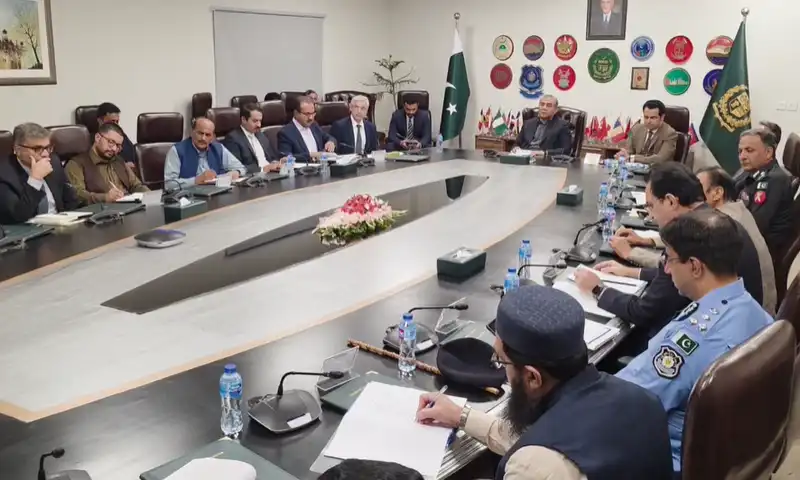
The decision was taken during a high-level meeting of the “Paigham-e-Aman Committee”, jointly chaired by Interior Minister Mohsin Naqvi and Minister of State for Interior Talal Chaudhry in Islamabad.
The session brought together senior security officials — including the interior secretary, the Islamabad police inspector general and the chief commissioner — alongside an Islamic scholars, Christian, Hindu and Sikh religious leaders.
“Maintaining law and order during Muharram is our collective responsibility,” Naqvi told the committee, announcing that the peace committees would be activated down to the grassroots district level to enforce sectarian harmony.
“There is absolutely no room for rebellion or chaos against the state in Islam. Building public awareness against terrorism and extremism in the light of Quran and Hadith is the need of the hour.”
The interior minister also decided to appoint a coordinator for the “Paigham-e-Aman Committee” to strengthen communication and implementation of its initiatives.
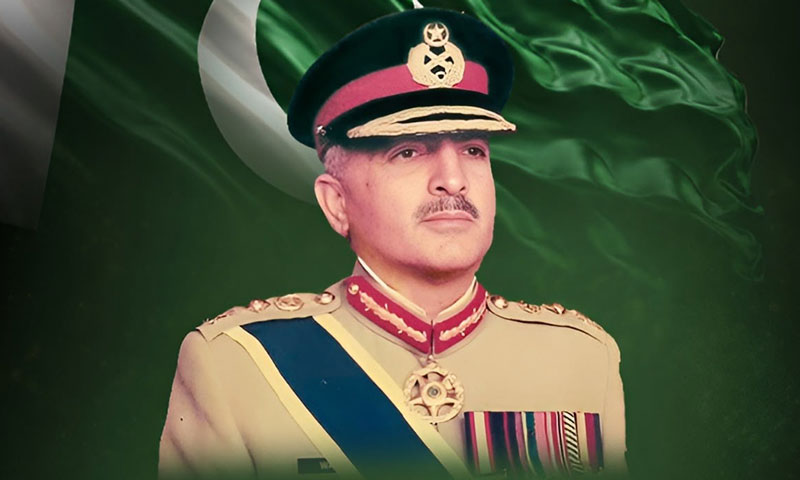
During the security meeting, Naqvi also revealed behind-the-scenes specifics of Pakistan’s central role in brokering the recent diplomatic breakthrough between Iran and the United States, heavily praising Army Chief Field Marshal Syed Asim Munir.
“Prime Minister Shehbaz Sharif led the political administration, but Field Marshal General Syed Asim Munir played the key role on the ground as the captain of this effort,” Naqvi said, describing the upcoming agreement as a triumph of civilian-military teamwork.
“The Field Marshal was the one individual in whom all international parties reposed absolute trust.”
Naqvi said that several other countries had previously attempted to mediate between Washington and Tehran but failed. He attributed Pakistan’s breakthrough to General Munir’s blunt and uncompromising style of diplomacy.
“The Field Marshal spoke bluntly when necessary and pointed out mistakes on both sides. His candor and straightforward approach actually strengthened mutual trust,” the interior minister said.
Detailing a critical moment in the secret negotiations when a regional ceasefire was on the verge of collapsing with only hours remaining, Naqvi recounted a pivotal intervention by the Pakistani military chief.
“With only hours left before the expiration of the truce and no breakthrough in sight, Field Marshal Syed Asim Munir told the Iranian negotiators, ‘On the Day of Judgment, you will bear witness that I tried with all my heart to save even a single human life. If war breaks out now, the responsibility will be entirely yours.'”
According to Naqvi, these words deeply impacted the Iranian delegation, breaking the diplomatic logjam and shifting the negotiations forward.
He noted that during the tense process, both the US and Iran came dangerously close to launching military strikes against each other on multiple occasions, but “divine intervention and timely management kept the situation under control.”
Naqvi also touched upon broader national defence, saying that “divine assistance” had repeatedly protected Pakistan during historical military frictions with India.
The attending religious scholars, representing various Islamic schools of thought as well as minority communities, passed a unanimous resolution paying tribute to the prime minister, the Field Marshal, and the interior minister for securing the US-Iran peace pact.
Minister of State Talal Chaudhry praised the religious leadership for backing state policy, noting that maintaining a permanent, institutional link between the interior ministry and the country’s clergy remains a top priority for domestic stability.
The session concluded with collective prayers for national security and sovereignty.
You May Also Like