- Farah Mehjabeen
- October 26, 2026
Govt announces fixed tax scheme for small traders to boost revenue
-

- Zafar Ali
- June 5, 2026
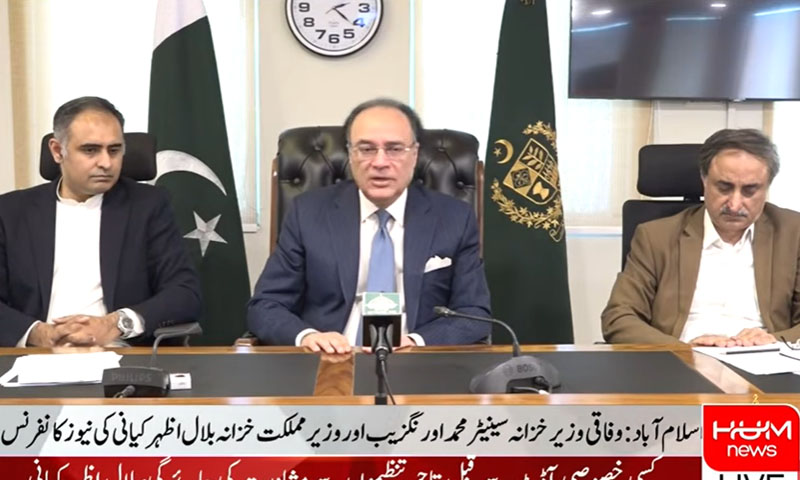
ISLAMABAD: The federal government has launched a voluntary fixed tax scheme aimed at documentation of millions of small traders, Minister of State for Finance Bilal Azhar Kayani said on Friday, as Pakistan seeks to widen its narrow tax base and boost revenue.
Addressing a press conference alongside Finance Minister Muhammad Aurangzeb, Azhar Kayani said the new scheme was drafted in consultation with traders and trade associations to simplify tax compliance for small businesses.
The scheme will apply to retailers and shopkeepers with an annual turnover of up to Rs200 million ($718,000), Kayani said.
“Traders will only need to submit a simple, one-page form, which will be available in multiple regional languages including Urdu, Pashto, Sindhi and Balochi,” Kayani said.
Under the new regime, a fixed tax of 1% will be levied on the turnover declared by the shopkeeper, with any prior withholding tax deducted being fully adjustable. To qualify for the scheme, a minimum tax payment of 25,000 rupees is required.
Signaling a major concession to a sector historically resistant to taxation, Kayani emphasized that the scheme is entirely optional, allowing shopkeepers the choice to remain under the current standard tax regime.
Participating traders will be issued a special Federal Board of Revenue (FBR) identity plate featuring the shopkeeper’s name, National Tax Number (NTN), and tax details. The plate will include a QR code for verification, he said.
In a move to curb harassment and corruption, Kayani noted that FBR inspectors would be barred from entering a shop without scanning the QR code first.
Furthermore, businesses enrolled in the scheme will be exempt from routine audits. Any special audit would require prior consultation with trader organizations and will be overseen by a dedicated committee.
Speaking at the press conference, Finance Minister Muhammad Aurangzeb framed the initiative as a major milestone toward formalizing Pakistan’s retail sector, which estimates suggest comprises between 3 million to 4 million shopkeepers.
“Taxpayers want simplicity in the tax system,” Aurangzeb said, adding that the government aims to broaden the tax net rather than increase the tax burden on existing taxpayers. “Instead of raising tax rates, we need to reduce them.”
Aurangzeb also touched upon the broader economy, noting that Pakistan achieved economic stability despite trailing shocks from devastating floods.
“We confronted these challenges using our own resources and without seeking external aid,” Aurangzeb said, reiterating the government’s commitment to structural tax reforms.
You May Also Like