
- WEB DESK
- September 17, 2026
Govt announces austerity measures, markets to close at 9pm
-

- Muhammad Faizan Khan
- September 17, 2026
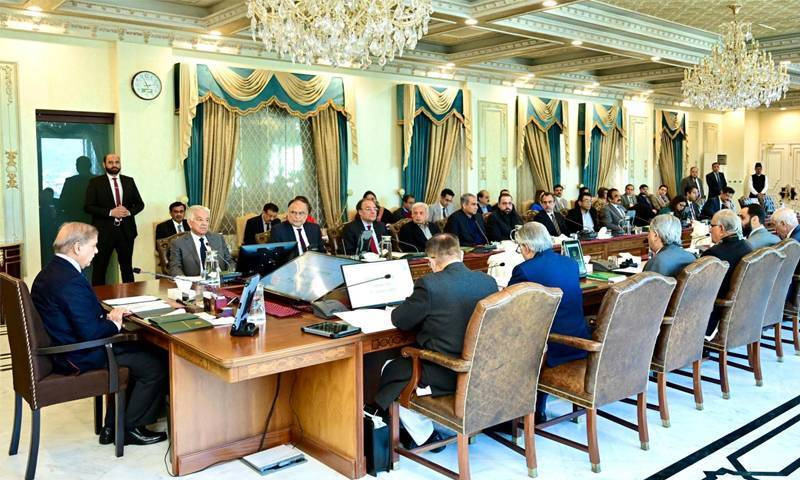
ISLAMABAD: The federal government has announced a raft of austerity and fuel-conservation measures and ordered their immediate implementation, including a 50 per cent cut in fuel allocations for most government vehicles, a three-month ban on foreign travel by officials, restrictions on procurement and tighter business hours, as Pakistan grapples with surging petroleum prices amid the worsening Middle East crisis.
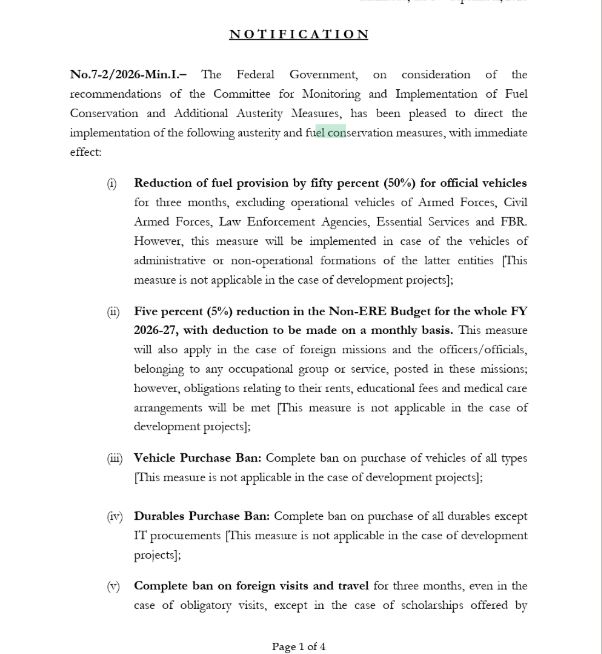
According to a notification issued by the Cabinet Division, the fuel allocation for administrative and non-operational government vehicles will be reduced by 50 per cent for three months.
Operational vehicles of the armed forces, civil armed forces, law enforcement agencies, essential services and the Federal Board of Revenue will be exempt from the fuel cut, the notification said.
The government has also decided to reduce the non-ERE budget for the fiscal year 2026-27 by 5 per cent. The cut will also apply to Pakistan’s missions abroad, although expenditure on accommodation, education and medical treatment will remain exempt.
The notification imposes a complete ban on the purchase of all types of new government vehicles. It also prohibits the purchase of durable goods, except IT equipment.
The latest measures come amid a sharp rise in international oil prices following the escalation of hostilities in the Middle East and disruptions to global energy supplies. Pakistan, which relies heavily on imported fuel, has been particularly exposed to movements in global petroleum markets.
The government raised the price of petrol by Rs6.88 per litre and high-speed diesel by Rs5.62 on Wednesday, taking their prices to Rs391.22 and Rs421.45 per litre, respectively, from September 17. The Oil and Gas Regulatory Authority attributed the increase primarily to higher international petroleum prices and related market factors.
Three-month ban on foreign travel
The government has imposed a three-month ban on foreign travel by ministers, advisers and government officials.
The notification, however, provides exemptions for scholarships, training courses and visits covered by institutional agreements.
For essential and important international events, Pakistan’s ambassadors or high commissioners will represent the country where possible, the notification said.
In cases where foreign travel by ministers or officials is deemed unavoidable, they will be required to travel in economy class, it further said.
According to the notification, government meetings and consultations have also been ordered to be conducted preferably through teleconferencing to reduce expenditure on travel and related arrangements.
The government has further prohibited official dinners except those hosted for foreign delegations.
Similarly, seminars, training programmes and conferences funded from the public exchequer have been prohibited.
Where such programmes are unavoidable, ministries and departments have been directed to use government auditoriums, committee rooms and other official premises instead of commercial venues.
Restrictions on government purchases
The austerity package places a complete ban on the purchase of new government vehicles, regardless of category.
The government has also prohibited the purchase of durable goods, with IT-related purchases exempted from the restriction.
The notification says requests for exemptions from the austerity measures will be considered on a case-by-case basis.
A committee will examine requests for exemptions and submit its recommendations to Prime Minister Shehbaz Sharif for approval.
The government has also asked provincial and regional administrations to consider adopting similar austerity and fuel-conservation measures.
Business hours tightened
The notification retains restrictions on commercial operating hours, requiring shops, markets, shopping malls and general stores to close by 9pm.
Marriage halls, marquees and other commercial venues hosting events will be required to close by 10pm, while restaurants, cafes and food outlets will close by 11pm.
Takeaway and home-delivery services have been exempted from the prescribed timings.
A wide range of essential and other services will also remain exempt from the ban.
These include pharmacies, hospitals, clinics, medical laboratories and medical equipment shops, as well as bakeries, tandoors, milk and dairy shops, petrol pumps and electric-vehicle charging stations.
Gyms, sports facilities, IT companies and call centres will also be exempt from the restrictions.
The government has separately ordered that only a single dish be served at wedding functions as part of its effort to limit expenditure and conserve resources.
Earlier austerity drive revived
The latest measures revive and expand austerity steps introduced earlier this year after the outbreak of the Middle East conflict and a sharp increase in global fuel prices.
Prime Minister Shehbaz Sharif had announced a series of fuel-conservation measures in March, including a 50 per cent reduction in fuel allowances for official vehicles, grounding a large proportion of government vehicles, restrictions on government purchases and curbs on foreign travel.
The government had also imposed a ban on high-octane fuel for official vehicles and said that nearly 60 per cent of government vehicles had already been grounded as part of the cost-cutting drive.
Some of those measures were subsequently relaxed, while restrictions on market timings remained in place.
Information Minister Attaullah Tarar said on September 14 that the government was considering reviving the austerity measures as renewed hostilities in the Middle East put fresh pressure on international oil prices. He said some measures, including restrictions on market timings, were still in force.
The Cabinet Division’s website also lists an earlier Austerity and Fuel Conservation Measures Notification, reflecting the government’s continuing use of administrative measures to reduce fuel consumption and public expenditure during periods of energy-market stress.
Oil shock intensifies pressure on Pakistan
The latest austerity package comes as the government attempts to contain the domestic impact of an international energy shock while providing targeted relief to consumers.
On September 13, the prime minister announced a fuel relief scheme offering a subsidy of Rs100 per litre for motorcycles, rickshaws, Qingqi rickshaws and other two- and three-wheelers on up to 20 litres a month, while owners of cars with engines up to 800cc would receive the same relief on up to 30 litres a month.
The Economic Coordination Committee subsequently approved Rs75 billion for the relief scheme, which is restricted to non-commercial users and limited to one vehicle per owner.
The fuel relief measures and the new austerity package form two sides of the government’s response to the oil shock — providing targeted assistance to some consumers while attempting to reduce fuel consumption and discretionary spending within the public sector.
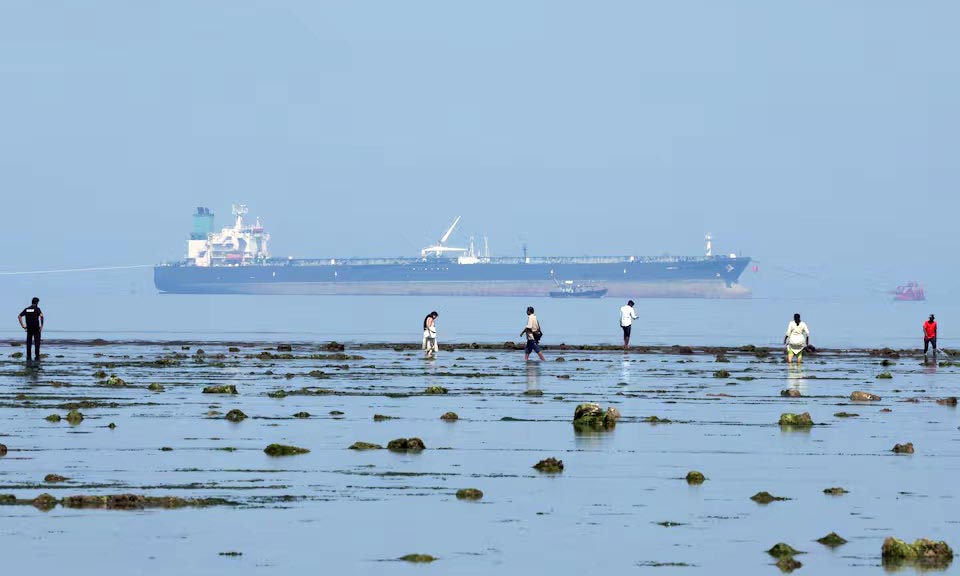
Pakistan’s vulnerability has increased as disruption to energy flows through the Gulf and the Strait of Hormuz has pushed up international energy prices and complicated supplies across the region. Reuters reported on Thursday that the worsening Gulf crisis was causing significant energy disruption in Pakistan and other Asian economies, with countries scrambling to secure costly energy supplies.
The government has therefore sought to conserve fuel, curb non-essential expenditure and limit official travel and procurement while continuing to provide targeted relief to households most affected by higher petrol prices.
The latest notification directs federal ministries, departments and institutions to implement the measures immediately and calls on provincial and regional governments to consider adopting similar steps.
You May Also Like

- Reuters
- September 17, 2026