
- WEB DESK
- October 26, 2026
Govt urged to raise family planning budget to counter population surge
-

- Zafar Ali
- June 17, 2026
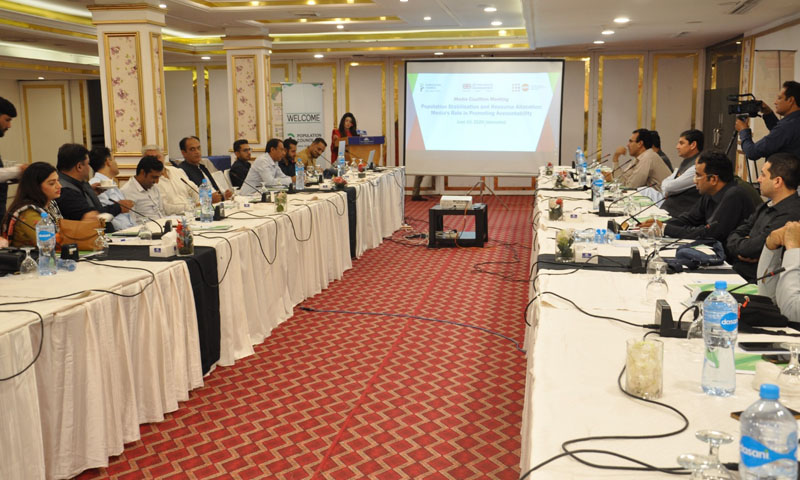
ISLAMABAD: Pakistan’s population is growing at an annual rate of 2.5 per cent, outpacing public spending and undermining the country’s economic trajectory, policy experts and economists said at a media coalition conference.
Speakers at the forum, organised by the Population Council in collaboration with the United Nations Population Fund (UNFPA), criticised the government’s low allocation for family planning compared with regional peers, saying population stabilisation should be treated as a macroeconomic priority rather than only a demographic issue.
“The country’s declining economic trajectory reflects the combined pressures of rapid population growth and structural economic challenges,” said Ammar Ali Qureshi, a senior economic adviser, adding that stabilising growth was essential for long-term development.
Key demographic and economic indicators showed annual population growth of around 2.5 per cent, while national policy under the Council of Common Interests aims to bring fertility down to replacement level.
Officials and planners identified female education and women’s economic participation as the main levers for achieving this target.
The coalition called for immediate and protected public investment in the social sector, particularly to strengthen frontline healthcare systems such as the Lady Health Worker programme. It also said birth spacing aligns with Islamic teachings on maternal and child health, which could help address social resistance to family planning initiatives.
Dr Ali Mir, country director for the Population Council, said health and education spending should be treated as long-term investments rather than expenditures, requiring sustained political commitment.
“Data must be used more effectively to hold duty-bearers accountable to national commitments,” said Ikram ul Ahad, communications manager at the Population Council, adding that family planning was among the most cost-effective public investments, with immediate returns for fiscal stability.
Journalists and media professionals attending the meeting pledged to strengthen evidence-based reporting on governance, funding gaps and provincial disparities in service delivery to bridge the gap between policy commitments and implementation.
You May Also Like