
- WEB DESK
- September 15, 2026
Gwadar port could earn Pakistan $25b a year by becoming a major trade hub like Dubai.
-

- Sadia Basharat
- April 20, 2026
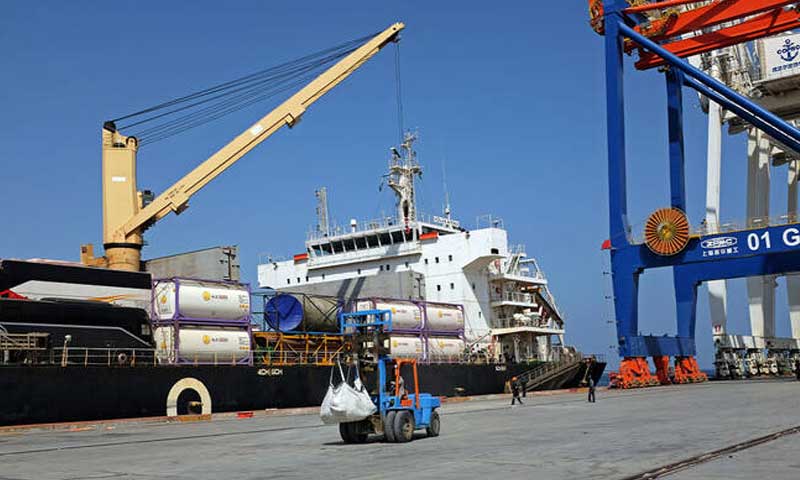
WEB DESK: The Chairman of the Gwadar Port Authority, Noor-ul-Haq Baloch, has set out an ambitious economic vision for Pakistan’s deep-sea port, suggesting it could eventually inject between $18b and $25b annually into the national exchequer.
Speaking on the port’s burgeoning potential, Baloch posited that the site is uniquely positioned to rival established regional titans such as Dubai’s Jebel Ali the most prolific man-made harbour on the globe and the Port of Colombo.
This optimistic projection hinges on Gwadar’s strategic location at the mouth of the Persian Gulf, serving as the maritime lynchpin for the China-Pakistan Economic Corridor (CPEC) and a primary gateway for landlocked Central Asian republics.
The aspiration for a regional maritime hegemony
To reach the multi-billion-dollar threshold, Gwadar must transition from a nascent docking site into a fully integrated transshipment and industrial hub.
The GPA Chairman’s comparison to Jebel Ali is particularly telling; the Dubai-based port handles millions of containers yearly and serves as the backbone of the UAE’s non-oil economy.
For Gwadar to replicate this success, it must not only handle vast cargo volumes but also cultivate a robust ecosystem of Special Economic Zones (SEZs).
By attracting international manufacturing and processing firms to its shores, Pakistan hopes to transform the port into a wealth-generating engine that moves beyond simple transit fees to high-value exports and industrial output.
Navigating the bottlenecks of development
Despite the grand fiscal forecasts, the road to a $25b windfall remains paved with significant logistical and structural hurdles. Critics and analysts point out that while the deep-sea berths are operational, the “Security-Development Nexus” remains a critical variable for long-term investor confidence.
Ensuring consistent utilities specifically electricity and desalinated water alongside the completion of advanced rail and road networks to the north is essential for the port to function at scale.
If these domestic challenges can be successfully mitigated, the port stands a genuine chance of shifting the centre of gravity for regional trade, potentially altering the economic landscape of South Asia for decades to come.
You May Also Like