- WEB DESK
- 28 Minutes ago
How is India reforming its public examination system after paper leak protests?
-

- Reuters
- 23 Minutes ago
NEW DELHI: India has unveiled a fresh set of proposed reforms to its public examination system after widespread protests over exam paper leaks exposed weaknesses in the country’s recruitment and testing processes.
On Monday, Prime Minister Narendra Modi’s government introduced a bill in parliament seeking amendments to the legal framework governing public examinations. The proposed legislation is the latest step in an ongoing effort to strengthen transparency, tighten security, and restore confidence in competitive exams.
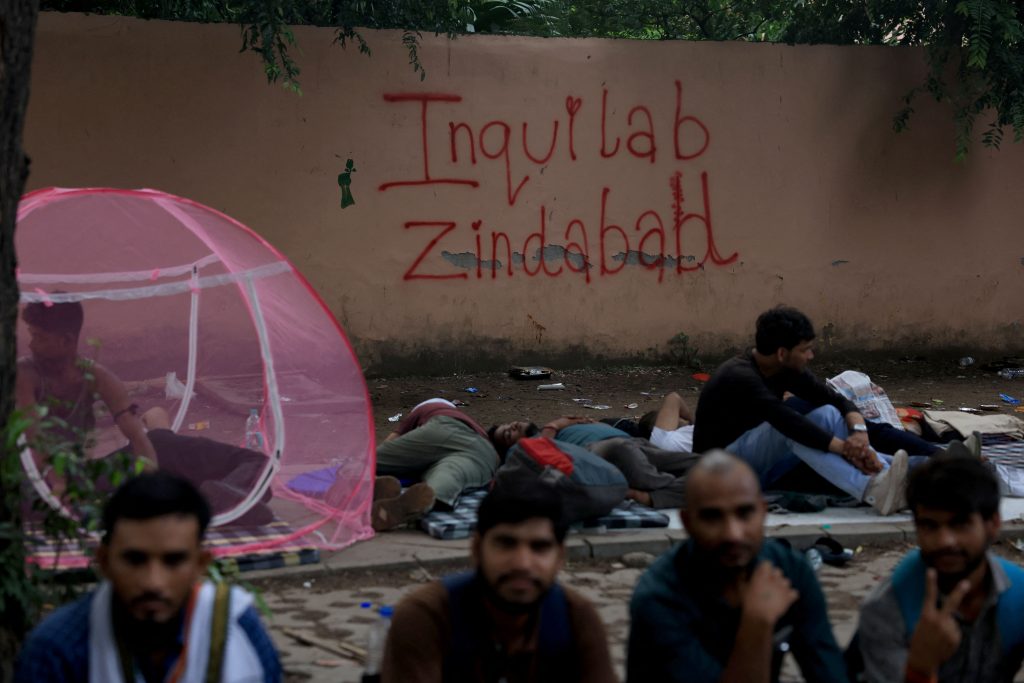
The reforms follow weeks of nationwide demonstrations by young job seekers after multiple examination papers were leaked in May, prompting concerns over fairness and accountability in the recruitment system.
Below is an overview of the key measures the Indian government is planning as part of its broader overhaul of the public examination process.
What sparked the reforms?
India cancelled the National Eligibility cum Entrance Test (NEET), the country’s undergraduate medical school entrance exam, after its question papers were leaked, forcing about 2 million candidates to re-take the test.
More than a dozen student suicides were linked to the cancellation.
The scrapping of the exam sparked protests by tens of thousands of people in Delhi and other cities, prompting Education Minister Dharmendra Pradhan to resign last week, with Modi also announcing special courts to prosecute those involved in the leaks.
What amendments have been proposed?
Changes have been proposed to the Public Examinations Act, a law made in 2024 after similar NEET exam leaks, to strengthen the examination system while ensuring speedy trials and time-bound investigations.
The 2024 law prescribed penalties for a range of violators, including those resorting to unfair means, firms involved in helping conduct the exam, and those at the examination authority.
The amendments proposed on Monday would increase the minimum prison term for culprits from three years to five years, and raise the maximum fine five-fold, from 10 million rupees ($104,000) to 50 million rupees ($522,000).
The ban on firms found guilty would double to eight years.
Have any other reforms been initiated?
Following the protests, Modi also announced a “high-powered panel” headed by technology expert Nandan Nilekani to focus on examination reforms, saying the government aims to make the “greatest possible use of technology” to strengthen the system.
Nilekani is an entrepreneur best known for leading the creation of India’s digital identity system Aadhaar and co-founding software major Infosys INFY.NS.
Based on the panel’s recommendations, steps will be taken “as quickly as possible” to ensure the “credibility and reliability” of examinations, Modi said on Sunday.
Have similar reforms been proposed earlier?
Following the NEET exam leaks in 2024, the government had constituted a panel of experts that made 101 recommendations in its report submitted that October.
The recommendations, however, are still being implemented, with several key suggestions yet to be rolled out, including a transition from pen-and-paper to computer-based testing, and holding examinations in multiple shifts.
The committee’s head told the Supreme Court in May that most of its key recommendations had either been implemented or were in the process of being implemented.