
- WEB DESK
- September 16, 2026
India’s Indus Treaty suspension draws global criticism, Pakistan rejects unilateral move
-

- Sadia Basharat
- April 24, 2026
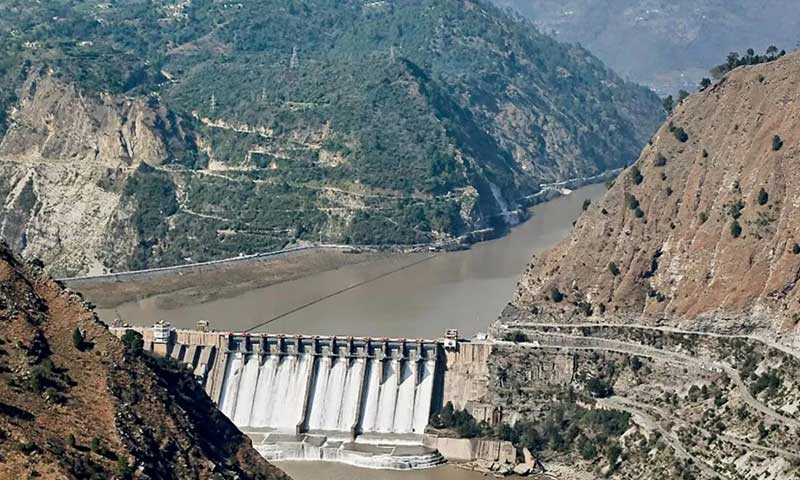
WEB DESK: The enduring stability of the Indus Waters Treaty (IWT), a cornerstone of South Asian hydro-diplomacy for over six decades, now faces an unprecedented existential threat.
India’s recent move to unilaterally suspend the treaty’s operation citing security concerns following the Pahalgam incident has ignited a fierce debate over the limits of sovereignty and the sanctity of international law.
Critics argue that New Delhi’s decision to hold the agreement in abeyance is not merely a diplomatic pivot but a flagrant violation of pacta sunt servanda (agreements must be kept), the bedrock principle of global treaty law.
By conflating disputed security narratives with a binding water-sharing regime, the move is increasingly viewed as a dangerous precedent that weaponises essential life-sustaining resources for political leverage.
A legal defiance under the guise of security
At the heart of the controversy is the legal architecture of the IWT itself. Designed to be “divorce-proof,” the treaty contains no provisions for unilateral suspension or reinterpretation based on external security events.
Legal experts contend that India’s attempt to link the Pahalgam incident allegations that remain largely unsubstantiated in international forums to its water obligations constitutes a “shameless act of legal defiance.”
This shift represents a transition from a rules-based engagement to what some observers term “hydro-political terrorism.”
By sidestepping proceedings at the Permanent Court of Arbitration and failing to respond to queries from UN Special Rapporteurs for over 130 days, India’s “selective legality” suggests a pattern of embracing international norms only when they align with its strategic convenience.
The erosion of treaty sanctity and regional stability
The implications of this “blood and water cannot flow together” doctrine extend far beyond the immediate geography of the Indus Basin.
The weaponisation of water by an upper riparian state targets the agricultural and economic lifeline of millions, transforming an instrument of peace into a tool of strategic coercion.
This conduct signals a chilling erosion of treaty sanctity, suggesting that binding global agreements can be hollowed out by ideological rigidity and power politics.
Pakistan’s position remains firm: treaties are not conditional favours but absolute obligations. As the international community watches closely, the unilateral rewriting of the IWT risks dismantling decades of insulated cooperation, replacing it with a legacy of mistrust that threatens the broader rules-based international order.
You May Also Like

- Khurram Iqbal
- September 16, 2026
PML-N nominates Dr Najeeb Naqi Khan for AJK president


- WEB DESK
- September 16, 2026