
- WEB DESK
- September 14, 2026
Iran FM arrives in Russia as high-stakes US peace talks stall
-

- Sadia Basharat
- April 27, 2026
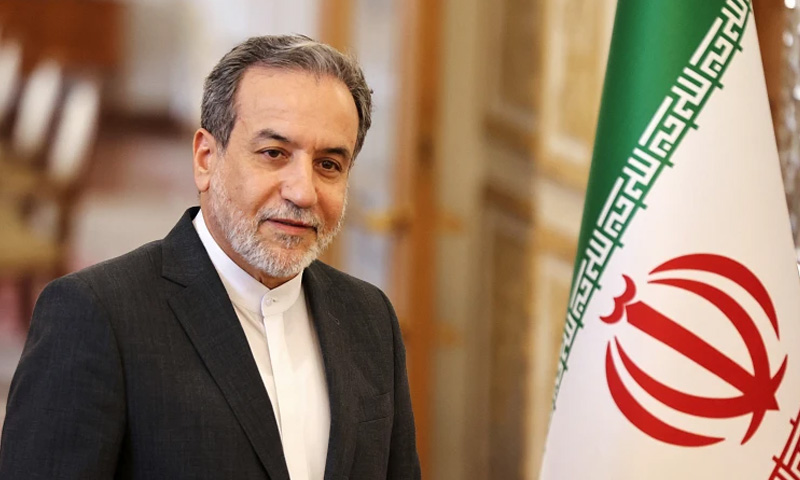
WEB DESK: Iranian Foreign Minister Abbas Araghchi arrived in Saint Petersburg on Monday for urgent talks with President Vladimir Putin, as diplomatic efforts to resolve the standoff between Tehran and Washington face a fresh crisis.
The visit follows the collapse of a planned diplomatic summit in Pakistan and growing global anxiety over the continued closure of the Strait of Hormuz.
The Iranian Foreign Ministry confirmed Araghchi’s arrival via Telegram, noting that the mission to Russia comes at a critical juncture.
Despite a fragile ceasefire holding between US-Israeli forces and Iran, the economic fallout of the conflict has reached a fever pitch.
With the Strait of Hormuz sealed off by Tehran and a retaliatory US blockade in place, global energy and fertiliser prices have soared, sparking fears of widespread food insecurity in developing nations.
Diplomatic deadlock in Islamabad
The hope for a breakthrough had previously centred on a second round of talks in Pakistan. However, US President Donald Trump cancelled a scheduled trip by envoys Steve Witkoff and Jared Kushner after Iranian state television suggested Araghchi had no intention of meeting them.
Trump, facing domestic pressure over rising fuel prices ahead of the November midterm elections, told Fox News that the ball was now in Tehran’s court, stating: “If they want the talks, they can come to us.”
Despite the public friction, backchannel communication appears to persist. The Fars news agency reported that Iran has sent “written messages” to Washington via Pakistani mediators, outlining specific “red lines” regarding its nuclear programme and the Strait of Hormuz.
While these are not considered formal negotiations, reports suggest Iran has proposed a deal to reopen the shipping lane and end the war, provided that nuclear discussions are deferred to a later date.
Regional volatility and the Lebanon ceasefire
As Araghchi seeks Russian support, the situation on the ground remains precariously unstable. In Lebanon, the ceasefire between Israel and Hezbollah is under immense strain. Prime Minister Benjamin Netanyahu accused Hezbollah of “dismantling” the agreement, asserting that the Israeli military would act “vigorously” to pre-empt threats.
On Sunday, Lebanese officials reported that Israeli strikes in the south killed 14 people, including children, and destroyed religious sites.
While Araghchi maintains that Iran’s priority is “safe transit” and regional stability, the Revolutionary Guards have struck a more defiant chord.
On their official Telegram channel, the Guards stated that maintaining a blockade of the Strait of Hormuz remains a “definitive strategy” to exert deterrent pressure on the White House.
With both sides dug in, the international community is looking to Moscow to see if the Kremlin can broker a de-escalation before the conflict enters a new, more volatile phase.