- Reuters
- September 13, 2026
Iran warns Strait of Hormuz could close as Ghalibaf slams Trump’s ‘false claims’
-

- Zoya Anwer
- April 18, 2026
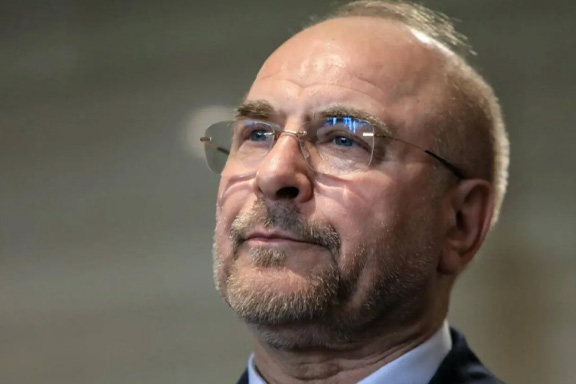
Iran’s parliament speaker Mohammad Bagher Ghalibaf has sharply criticised recent remarks by US President Donald Trump, accusing him of spreading false claims and warning that continued pressure on Tehran could have serious consequences for regional stability.
In a series of posts shared on social media early Saturday, Ghalibaf claimed that Trump had made “seven claims in one hour,” all of which he described as untrue. He argued that such rhetoric had neither secured victory for Washington in past confrontations nor would it yield results in any future negotiations with Iran.
The comments come amid heightened tensions between Tehran and Washington, with both sides trading accusations over the direction of ongoing diplomatic efforts and the broader situation in the Middle East.
Ghalibaf also issued a pointed warning regarding the strategically vital Strait of Hormuz, a key global shipping route through which a significant portion of the world’s oil supply passes. He suggested that if economic restrictions and blockades against Iran persist, the status of the waterway could be affected.
“With the continuation of the blockade, the Strait of Hormuz will not remain open,” he said, indicating that Tehran could reconsider its approach to the passage of vessels through the narrow channel.
Expanding on this, the Iranian speaker stressed that any transit through the strait would be subject to what he termed “designated routes” and would require authorisation from Iranian authorities. He added that decisions regarding whether the strait remains open, as well as the rules governing its use, would be determined by developments on the ground rather than statements made in the media.
The remarks underscore Iran’s longstanding position that it holds significant leverage over the waterway, which lies between Iran and Oman and is considered one of the most critical chokepoints for global energy supplies.
Ghalibaf further accused the United States and its allies of engaging in what he described as “media warfare” aimed at shaping public perception. He said the Iranian public would not be swayed by such tactics and urged audiences to rely on official sources for accurate information about ongoing diplomatic engagements.
He pointed to recent statements by Iran’s foreign ministry spokesperson as a more reliable account of developments, suggesting that official channels should be trusted over what he characterised as politically motivated narratives.
The exchange highlights the fragile state of US-Iran relations, with sharp rhetoric on both sides continuing to cast uncertainty over the prospects for meaningful dialogue and de-escalation in the region.
You May Also Like
- Reuters
- September 13, 2026
Trump says ‘very negative forces’ raising exaggerated concerns over AI
- Ayub Tareen
- September 13, 2026