- WEB DESK
- October 6, 2026
Iran’s Supreme Leader Mojtaba Khamenei vows revenge for father Ali Khamenei
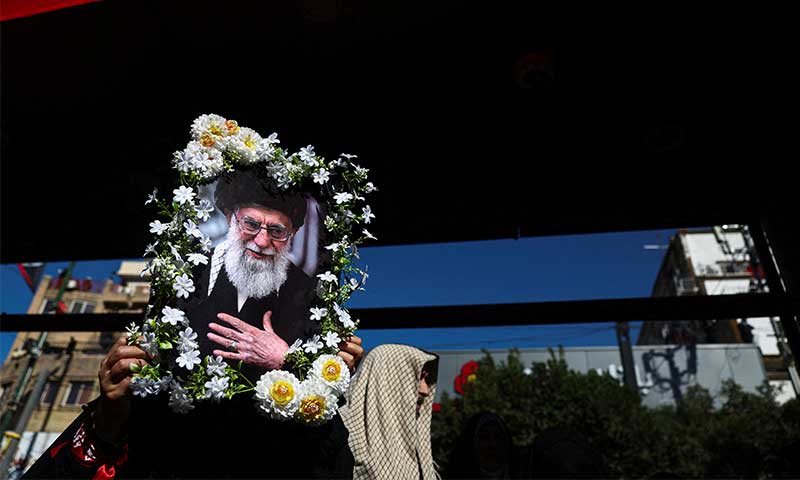
Iran’s Supreme Leader Ayatollah Mojtaba Khamenei on Saturday pledged to avenge the killing of his father and predecessor, Ayatollah Ali Khamenei, describing it as a national obligation, according to a message published on his official Telegram account along with X.
Khamenei issued the message on the occasion of funeral ceremonies for his father, Ayatollah Ali Khamenei, held months after he was killed in the U.S.-Israeli airstrikes on February 28.
In his written message, Mojtaba Khamenei said the Iranian people remained committed to seeking retribution for those killed during the recent conflicts. He vowed that the deaths of his father and others who died in what he described as two wars would not go unanswered.
“The demand of the nation is revenge, and it must certainly be fulfilled,” the message said, adding that Iran was committed to avenging “the blood of the martyred leader and all the martyrs” against those he referred to as the perpetrators.
The remarks come as Iran continues to hold nationwide funeral events for Ayatollah Ali Khamenei amid heightened regional tensions following months of conflict involving Iran, the United States and Israel.
Ayatollah Ali Khamenei laid to rest in Mashad
Iran on Thursday laid Ali Khamenei to rest at the Imam Reza shrine in the northeastern city of Mashhad, bringing to an end a week of state funeral ceremonies and public processions held across Iran and Iraq.
Thousands of mourners gathered in Mashhad as the funeral procession made its way through the city’s streets towards the Imam Reza shrine, one of the holiest sites in Shia Islam. Crowds carrying Iranian flags and chanting revolutionary slogans lined the route as clerics accompanied the coffin.
The sheer size of the gathering slowed the procession, with dense crowds making it difficult for the funeral vehicle to advance. Authorities eventually used a helicopter to transport the coffin over the packed streets for the final stage of the journey before senior clerics offered final prayers at the shrine.
Iranian officials portrayed the large public turnout as evidence of continued support for the country’s political and religious leadership nearly five decades after the 1979 Islamic Revolution. The funeral ceremonies took place against the backdrop of persistent economic difficulties, political tensions and years of public unrest that have challenged the legacy of Khamenei’s decades-long rule.
Attention also turned to his successor, Ayatollah Mojtaba Khamenei, who was appointed supreme leader by the Assembly of Experts shortly after his father’s death. He has not appeared publicly since the February 28 strike, and Iranian authorities have released only written statements in his name. No photographs, videos or audio recordings have been made public, while reports indicate he is recovering from injuries sustained in the attack and remains under tight security.
During the burial ceremony, mourners chanted slogans condemning the United States and calling for retaliation over the strike that killed the former leader. Some participants directed chants against US President Donald Trump, while others waved banners and placards expressing support for Iran’s leadership.
The burial in Mashhad concluded several days of funeral events that included ceremonies in Tehran and Qom, as well as processions in the Iraqi cities of Najaf and Karbala for Khamenei and four members of his family who were also killed in the February airstrike.