- WEB DESK
- September 14, 2026
Pakistan’s Diplomatic Leverage Must Now Be Used for Kashmir, Says Mashal Malik
-

- Sadia Basharat
- April 22, 2026
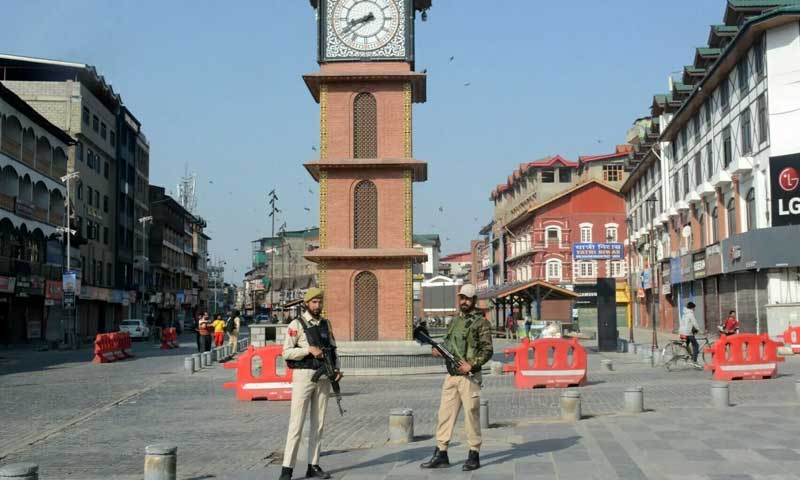
Pakistan’s growing diplomatic relevance following its role in facilitating renewed United States-Iran engagement should now be transformed into meaningful leverage on Kashmir, according to Kashmiri activist Mashal Malik.
In an interview, Malik described the Islamabad Accord not merely as a ceasefire arrangement but as evidence of Pakistan’s emerging centrality in global diplomacy at a time when the international community is searching for credible mediators capable of delivering lasting political settlements rather than temporary pauses in conflict.
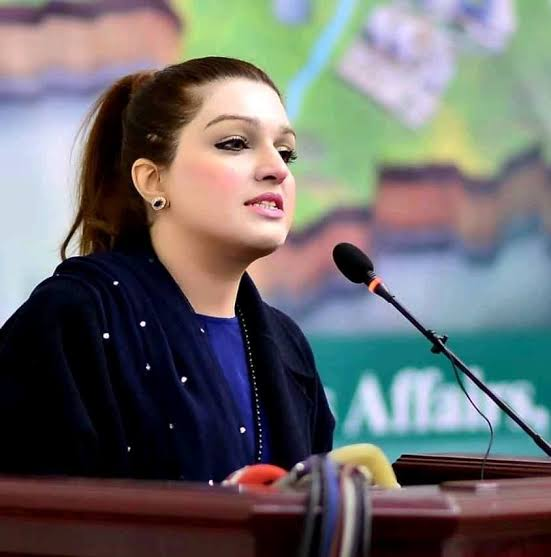
She praised Pakistan’s civil and military leadership, including the Foreign Office, for helping open channels between Tehran and Washington after decades of hostility. According to Malik, this demonstrates that Pakistan is capable of shaping outcomes in some of the world’s most sensitive crises.
She argued that Islamabad must now convert that diplomatic standing into a structured international track for Kashmir, moving beyond what she called “ceremonial talking points” and the long-stalled implementation of United Nations resolutions.
Malik said Pakistan should intensify high-level engagement with Washington, European capitals, the Organisation of Islamic Cooperation and the United Nations, while ensuring Kashmir is placed alongside other unresolved disputes such as Palestine in wider peace discussions.
Release of Kashmiri Leadership Essential for Stability
Malik also renewed calls for the release of jailed Kashmiri leader Yasin Malik and other political prisoners, saying their freedom is essential for any meaningful progress towards justice and regional peace.
She claimed Yasin Malik had been denied due legal rights and warned that silencing moderate political voices would only deepen instability. According to her, if peaceful representation is removed, younger generations may turn towards militancy, increasing the danger in an already volatile nuclear region.
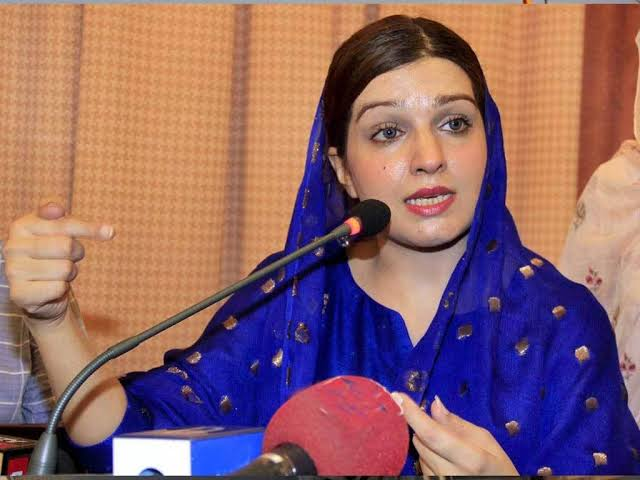
Referring to repeated India-Pakistan crises, she said Kashmir remains the most dangerous flashpoint in South Asia and warned that even minor incidents have previously escalated rapidly towards wider conflict.
Malik said Pakistan’s recent military strength, coupled with its diplomatic role in easing international tensions, has created a “new normal” in which the world must take Kashmir more seriously.
Message to Washington: Reciprocity on Kashmir
Addressing the United States directly, Malik said if Pakistan is expected to help stabilise the global order and assist in de-escalating crises elsewhere, then major powers must also show responsibility towards South Asia.
She criticised what she described as selective silence over Kashmir and said ignoring the dispute while seeking Pakistan’s diplomatic cooperation elsewhere would amount to hypocrisy.
Malik concluded that Pakistan should use the momentum created by the US-Iran process to bring Kashmir back to the forefront of international diplomacy, warning that unresolved disputes do not disappear but instead grow more dangerous with time.
You May Also Like


- WEB DESK
- September 14, 2026
Petrol price rises by Rs4.42, diesel by Rs6.10 per litre

- WEB DESK
- September 14, 2026