- Reuters
- September 13, 2026
Islamabad reports 618 new HIV cases since 2025
-

- Zafar Ali
- April 18, 2026
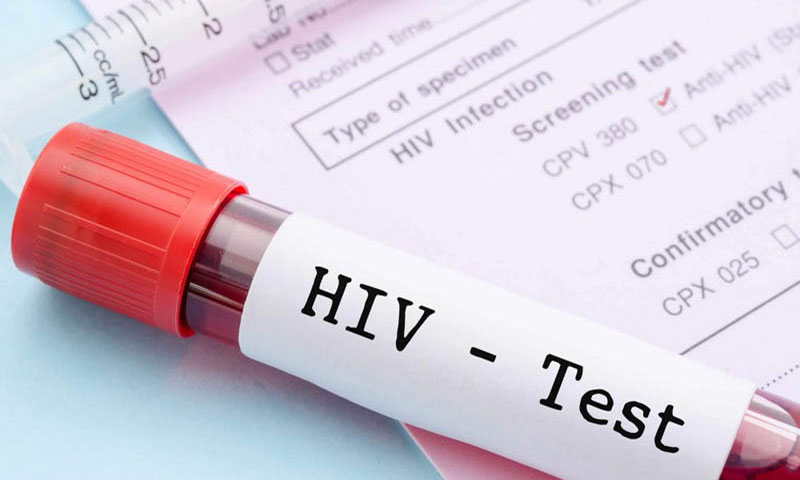
ISLAMABAD: Islamabad recorded at least 618 new HIV cases between January 2025 and March 2026, with infections rising steadily month-on-month and adult men accounting for the majority of diagnoses, official data showed.
Figures from the Ministry of National Health Services, Regulations and Coordination showed 498 cases were reported in 2025, while a further 120 cases were detected in the first three months of 2026, indicating sustained transmission in Islamabad.
Monthly data pointed to a consistent detection rate, with cases ranging from 31 to 63 per month in 2025. The highest number of infections was recorded in July at 63 cases, followed by September with 52 and August with 45. In 2026, 41 cases were reported in January, 39 in February and 40 in March.
A ministry official said the figures reflected “consistent detection of new HIV cases every month in Islamabad, with periodic spikes indicating ongoing transmission within urban networks.”
A demographic breakdown showed that 397 of the 618 cases — more than 64 per cent — were adult men. Adult women accounted for 106 cases, while 93 cases were reported among transgender persons. Children made up a smaller share, with 14 male and eight female cases.
Health officials linked the trend largely to high-risk behaviour, including drug use and unprotected sex.
“More than half of those being diagnosed are young men, many of whom report drug use and unsafe sexual practices while under the influence, particularly methamphetamine,” a senior official at the Pakistan Institute of Medical Sciences said.
Medical experts said the pattern aligns with rising cases associated with so-called “chemsex,” where stimulant use lowers inhibitions and leads to prolonged, often unprotected sexual activity involving multiple partners.
They added that while infections remain concentrated in higher-risk groups, the presence of cases among women and children suggests transmission is extending into the broader population, including spouses and families.
Officials said the data highlights the need for expanded testing, targeted awareness campaigns and interventions focused on high-risk groups to curb the spread of HIV in Islamabad and nearby urban areas.
You May Also Like


- Reuters
- September 13, 2026
Trump says ‘very negative forces’ raising exaggerated concerns over AI
- Ayub Tareen
- September 13, 2026