
- WEB DESK
- September 24, 2026
Kisan Ittehad announces long march on Islamabad from Sept 25
-

- WEB DESK
- September 24, 2026
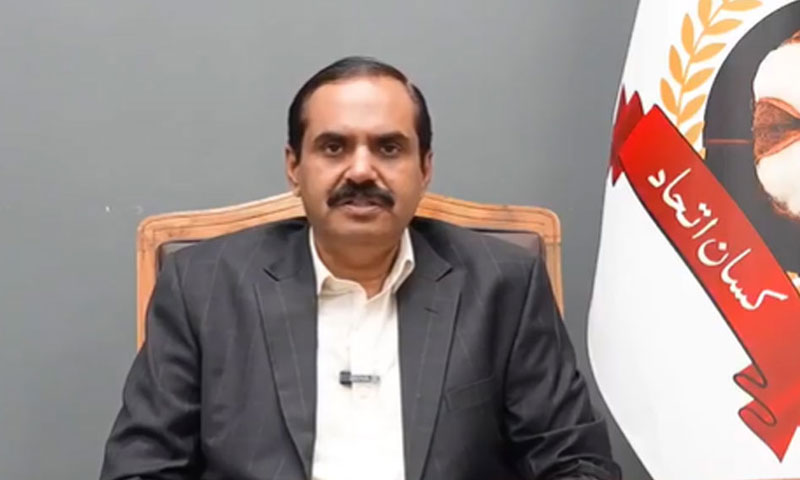
QUETTA: Kisan Ittehad Chairman Khalid Hussain Bath has announced that the farmers will launch a long march from Quetta to Islamabad on Friday (September 25) to press for its demands.
In a video statement, Bath said that the march would begin from Quetta Press Club at 3pm on Friday, with thousands of people expected to participate from Balochistan.
He said that the number of protesters would increase to hundreds of thousands once the march reached its destination.
Bath said that the farmers’ demands were legitimate and that they were seeking their rights while working for the country’s security and stability.
He attributed rising inflation, including higher petroleum prices, to the ongoing war in the world and questioned the import of around 750,000 metric tonnes of wheat.
He also said that farmers were still being charged electricity bills for transformers they had removed as part of their protest.
Kisan Ittehad had earlier announced a long march on Islamabad on September 25, with plans to stage a protest outside Parliament House.
Balochistan lawyers back farmers’ long march
Bath had also held meetings with lawyers’ organisations in Balochistan ahead of the march.
Addressing a bar meeting, he said that the Balochistan High Court Bar and other lawyers’ bodies had extended support to the farmers’ long march.
The bar associations said they would support farmers in seeking solutions to their problems and demands.
Bath said the farmers had repeatedly approached the government over their demands but had received no meaningful relief.
He claimed that the ready onion and tomato crops were being affected by smuggling from Afghanistan, hurting local farmers.
He also alleged that the Punjab government’s decision three years ago not to procure wheat from Balochistan farmers had caused losses of around Rs4 trillion.
Bath further alleged that farmers were forced to sell wheat at prices that did not cover their production costs.
He said agriculture was the only way for Pakistan to achieve economic development, adding that Pakistani farmers could not compete with their counterparts in India because of higher costs, including electricity prices.
You May Also Like
- WEB DESK
- September 24, 2026
Shehbaz holds key meetings with Iran, Syria, IMF officials in New York

- WEB DESK
- September 24, 2026
Xi vows to work with Trump to steer China-US ties toward stable future
- WEB DESK
- September 24, 2026
