- WEB DESK
- November 17, 2026
Lawmakers call for strict enforcement of workplace harassment laws
-

- WEB DESK
- November 17, 2026
LAHORE: Women parliamentarians, government officials and civil society representatives have called for strict enforcement of workplace harassment laws, stronger accountability and improved complaint mechanisms to make workplaces safer for women.
The calls come amid continuing legal and institutional debate over harassment.
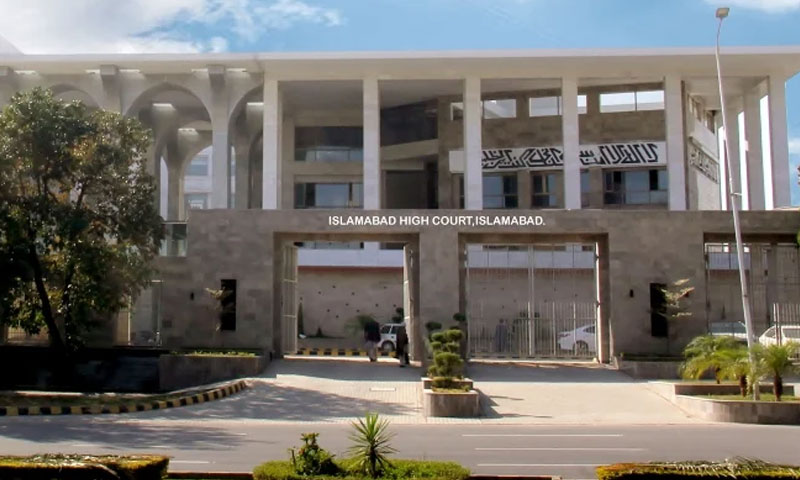
In October this year, the Islamabad High Court directed authorities to enforce laws against online harassment, blackmail and the unauthorised sharing of private content.
Separately, the Federal Ombudsperson Secretariat for Protection Against Harassment reported in July that it had received 1,290 complaints over the previous year, including 521 from men and 769 from women.
In February 2025, the Federal Constitutional Court ruled that conduct must have a sexual element to qualify as harassment under the Protection Against Harassment of Women at the Workplace Act, 2010.
The latest recommendations were made at the closing ceremony of the “Standing Together Against Harassment” (SATH) project, organised by Shirkat Gah, Women’s Resource Centre, with financial support from WhatWorks II and UK Aid.
Federal Ombudsperson Fauzia Viqar had called for strengthening ombudsperson offices and bringing uniformity to relevant federal and provincial laws. She joined her provincial counterparts in discussing enforcement gaps, institutional capacity and grievance redressal mechanisms.
Lawmakers from Punjab, Sindh and Balochistan said existing laws must be effectively implemented while being updated to address emerging challenges. They also stressed the need for stronger representation of women in legislation and policymaking so that their experiences inform decisions.
Participants called for effective systems to prevent harassment and handle complaints in educational institutions, while urging the use of social media, television dramas and films to raise awareness about women’s rights and relevant laws.
Shirkat Gah Executive Director Farida Shaheed stressed collective efforts to protect women’s rights, while Director of Programmes Humaira Shaikh said the project had addressed gaps in research through training and advocacy initiatives.
Rozina Karmaliani of research partner Aga Khan University presented findings on institutional attitudes and lessons from the project. Women workers and labour rights organisations also shared experiences, saying the training had helped participants recognise harassment, understand their legal rights and learn how to file complaints.
Nazish Shekha of the Centre of Excellence in Responsible Business said women continued to face difficulties in lodging complaints, adding that awareness campaigns and support for grassroots organisations needed to continue.
Shirkat Gah’s Faiza Shaikh and Supreme Court lawyer Saqib Jilani presented proposed amendments to the federal harassment law, including broadening its scope to extend legal protection to more sections of society.
The event brought together parliamentarians, representatives of federal and provincial ombudsperson offices, government officials, labour rights groups, research institutions and civil society members.
You May Also Like