
- WEB DESK
- September 14, 2026
NBC Report: Trump backed away from reopening Strait of Hormuz after ally backlash
-

- Sadia Basharat
- May 7, 2026
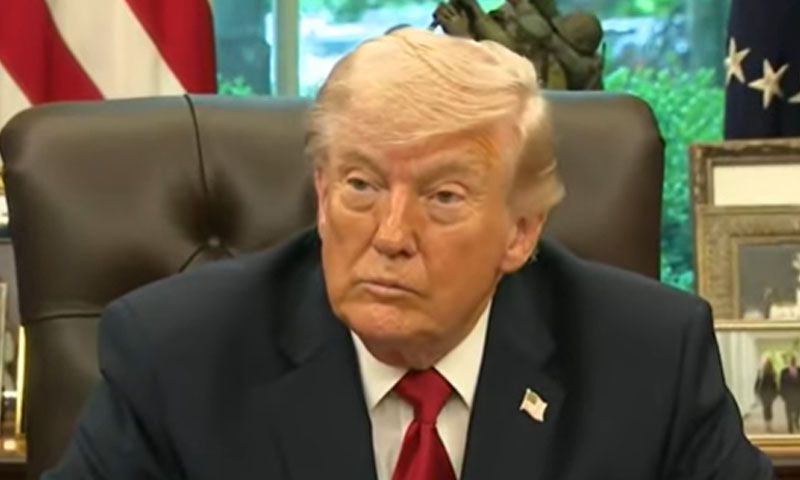
WEB DESK: US President Donald Trump has been forced into a sudden diplomatic retreat after Saudi Arabia reportedly blocked American military access to its airspace, derailing a high-profile mission to reopen the Strait of Hormuz.
The abrupt suspension of “Project Freedom” a naval escort operation announced by the President on social media just days ago comes amid reports of severe friction between Washington and its Gulf allies.
According to NBC News, the Kingdom of Saudi Arabia was caught off guard by the unilateral announcement, leading Riyadh to restrict US aircraft from operating out of the Prince Sultan Air Base.
Diplomatic friction in the Gulf
The breakdown in coordination highlights a rare public rift in the US-Saudi alliance. Sources indicate that a phone call between President Trump and Crown Prince Mohammed bin Salman failed to resolve the impasse, as Riyadh expressed frustration over being sidelined in the planning of the operation.
While the White House has remained silent on the specific reasons for the reversal, the move was essential to restore vital US military access to Saudi airspace.
Despite the tactical disagreement, Saudi officials maintained they remain “supportive of diplomatic efforts” currently being brokered by Pakistan.
These talks aim to find a permanent resolution to the conflict that erupted on 28 February, which has since choked global energy corridors and spiked volatility in international markets.
Markets rally on hopes of peace deal
News of the military de-escalation, coupled with reports of a potential peace memorandum, sent shockwaves through global markets on Wednesday.
Brent crude futures plummeted by approximately 11pc to nearly $98 a barrel before stabilizing, while global share prices saw a significant leap as investors bet on an end to the blockade.
The proposed agreement, reportedly spearheaded by Trump’s envoys Jared Kushner and Steve Witkoff, is said to be a one-page memorandum that would formally end hostilities and initiate a 30-day window for detailed negotiations.
However, the deal remains fragile; Iranian officials have described the proposal as an “American wish-list,” and the Speaker of the Iranian Parliament, Mohammad Bagher Ghalibaf, mocked the reports on social media, suggesting the US was merely attempting to spin a military failure into a diplomatic victory.
You May Also Like


- WEB DESK
- September 14, 2026
Petrol price rises by Rs4.42, diesel by Rs6.10 per litre

- WEB DESK
- September 14, 2026