
- WEB DESK
- September 15, 2026
Pakistan braces for another petrol, diesel price hike amid global oil rally
-

- Zafar Ali
- April 30, 2026
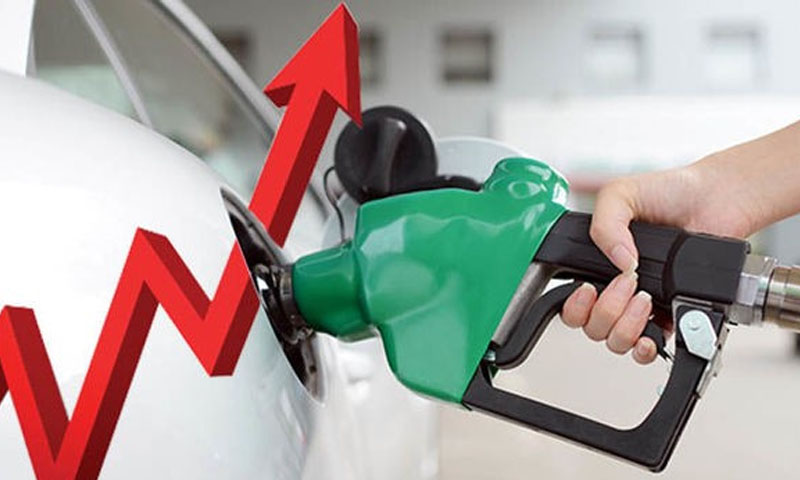
ISLAMABAD: Pakistan is bracing for another rise in petrol and diesel prices as global crude markets surge amid Middle East tensions, deepening concerns for low-income households already grappling with record inflation and rising living costs.
Global oil prices climbed further on Thursday, with Brent crude trading above $119 per barrel, as the ongoing US-Iran tensions disrupted supply flows from the Middle East and fuelled fears of prolonged pressure on the global energy market.
The price shock is expected to feed directly into domestic fuel rates, adding further strain on consumers in Pakistan, where transport, food and utility costs are closely tied to petroleum prices.
Chairing a federal cabinet meeting on Wednesday, Prime Minister Shehbaz Sharif said global oil prices had “surged sharply” and confirmed that the government would review domestic fuel prices again on Friday.
He said regional conflict had disrupted Pakistan’s economic growth trajectory and intensified inflationary pressures, particularly in petroleum products.
“Oil prices are sky-high, and challenges stand like mountains before us, but we will emerge successfully from difficult times,” Sharif said.
He added that Pakistan had repaid $3.5 billion in external debt to the United Arab Emirates with Saudi support and reiterated that austerity measures would continue.
For ordinary Pakistanis, however, repeated fuel price increases have become a growing burden.
With the last hike of nearly Rs27 per litre, petrol has now crossed Rs393 per litre. Earlier, the government raised petrol and high-speed diesel prices by Rs26.77 per litre each, pushing rates to Rs393.35 and Rs380.19 respectively.
Since March, fuel prices have seen sharp volatility. Following global market disruptions linked to Middle East tensions, petrol and diesel prices in Pakistan were initially increased by Rs55 per litre on March 6. On April 2, the government again raised them by 43 per cent and 55 per cent respectively.
Public pressure forced temporary relief measures, including reductions in petroleum levy and subsequent cuts in fuel prices announced in mid-April. However, those gains were largely reversed in subsequent adjustments.
At petrol stations, the repeated increases have left many struggling to cope.
“With repeated increases in POL prices, it seems the government is crushing the poor, who are already fighting immense inflation. The government must understand and devise a plan to accommodate the poor in such times,” said a motorcyclist in Islamabad.
Trade union leaders also warned of worsening economic stress on households.
All-Pakistan Federation of Trade Unions General Secretary Khurshid Ahmed said that rising costs were making it difficult for families to afford education, healthcare and basic necessities.
He said school closures, rising fees, expensive books and unemployment were deepening frustration among the youth, while high medicine prices were putting healthcare out of reach for many low-income families.
Market developments are adding further pressure. Analysts say oil supply routes remain constrained as geopolitical tensions disrupt shipping lanes, while uncertainty persists over the Strait of Hormuz, a key global energy chokepoint.
OPEC+ is expected to consider only limited production adjustments, even as shifts within the alliance could weaken its influence over global pricing trends, according to market watchers.
You May Also Like
- Javed Soomro
- September 15, 2026
President Zardari urges China envoy to deepen trade, technology ties

- Reuters
- September 15, 2026