- AFP
- October 17, 2026
Pakistan Calls for End to UN Veto Power to Fix ‘Paralysed’ Security Council
-

- Sadia Basharat
- April 17, 2026
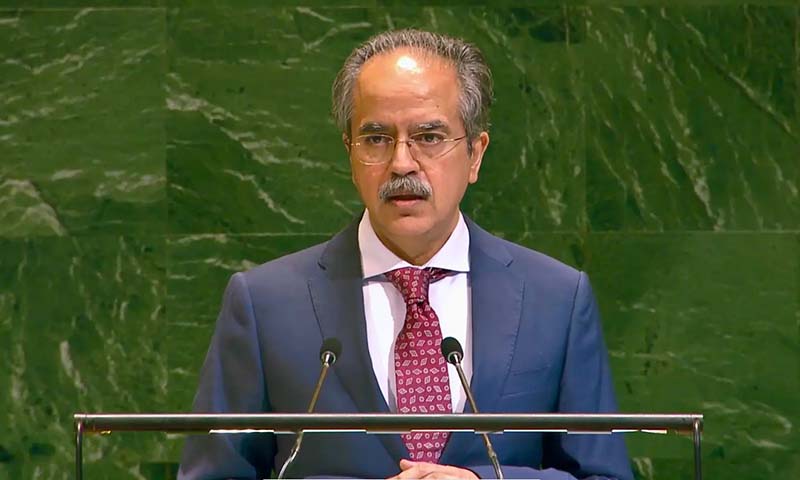
WEB DESK: Pakistan has issued a scathing critique of the United Nations Security Council’s current architecture, demanding the total abolition or severe restriction of the veto power.
Addressing a resumed session of the Intergovernmental Negotiations (IGN) on Security Council reform, Pakistan’s Permanent Representative, Ambassador Asim Iftikhar Ahmad, argued that the existing framework has rendered the 15-member body incapable of addressing the world’s most pressing conflicts.
He asserted that the veto is a primary driver of “global decision-making paralysis,” frequently preventing the international community from taking decisive action when it is needed most.
Rejection of new permanent seats
While advocating for a more democratic Council, Pakistan remains staunchly opposed to any expansion of the permanent membership category.
Ambassador Ahmad made it clear that Islamabad would not support the creation of new permanent seats, particularly for nations seeking to join the existing “elite club” with their own veto powers.
He contended that adding more permanent members would only exacerbate the Council’s current dysfunction and further marginalise the majority of UN member states.
Instead, Pakistan proposes increasing the number of non-permanent, elected seats to ensure that the Council reflects the diverse interests of the contemporary world rather than the power dynamics of 1945.
Addressing the Veto obstacle
The Ambassador’s remarks highlighted the growing frustration among many nations regarding the Council’s recent inability to act on humanitarian crises, such as the situation in Gaza.
Pakistan believes that the veto power is an undemocratic relic that contradicts the UN Charter’s principle of sovereign equality.
By restricting the veto or increasing the political cost of its use through a larger pool of elected members, Pakistan argues the Council can become more accountable.
The Ambassador warned that without such fundamental changes, the Security Council risks losing its remaining credibility as the primary guardian of international peace and security.