
- WEB DESK
- September 15, 2026
Pakistan expands Iran transit routes, rewires regional trade network away from Afghanistan
-

- WEB DESK
- April 27, 2026
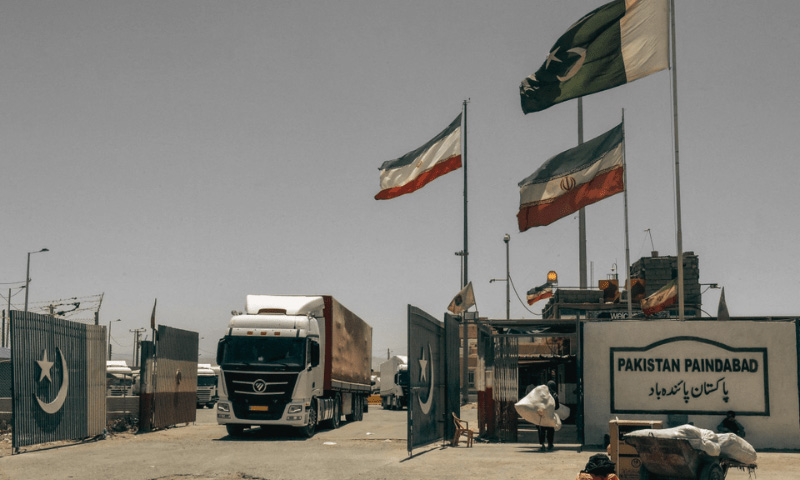
Pakistan has moved to expand its regional transit framework by notifying six official land routes for transporting goods into Iran, as shifting geopolitical and maritime pressures reshape trade flows across the region.
The decision, issued through a statutory regulatory order by the Ministry of Commerce, allows cargo bound for Iran to move through designated corridors linking Karachi and Gwadar ports with the Pakistan-Iran border at Taftan. The routes pass through key logistics hubs including Khuzdar, Quetta, Dalbandin, Turbat, and Nokundi, forming a structured overland network for controlled transit trade.
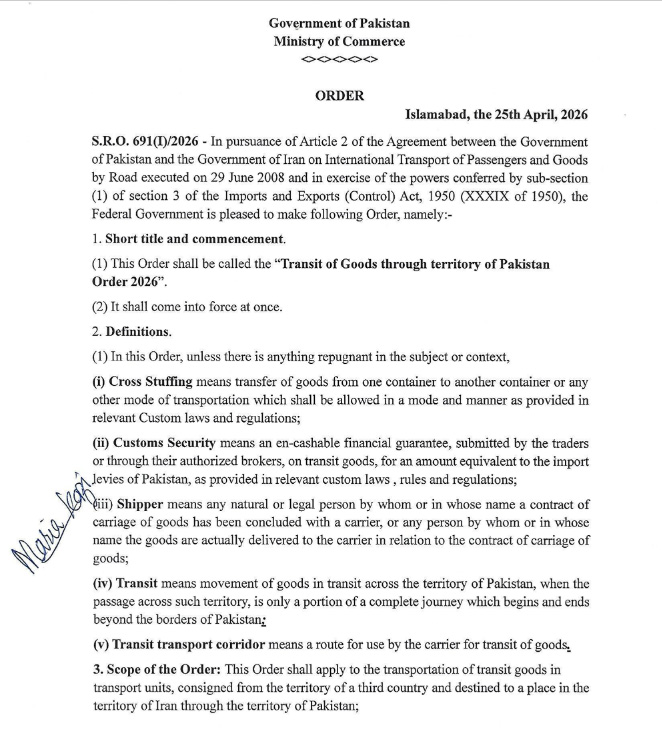
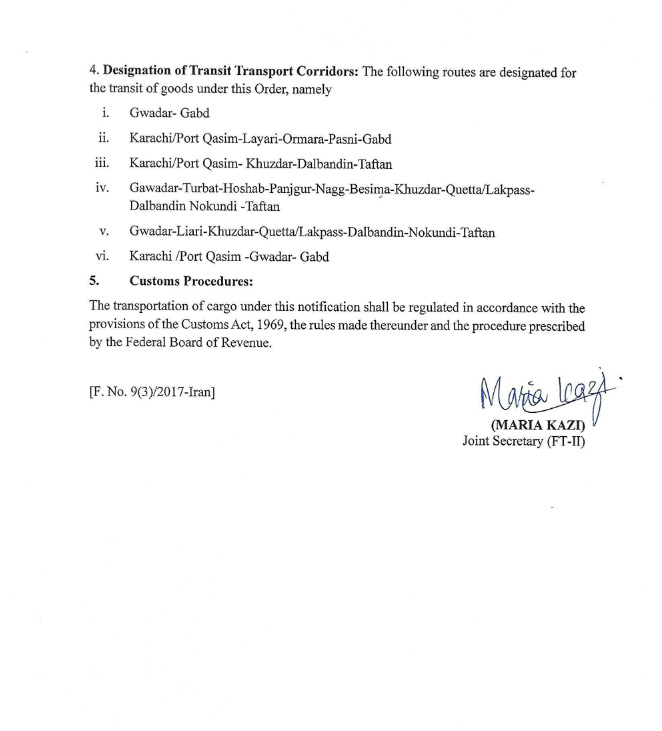
Under the new system, goods originating from third countries can transit through Pakistan into Iran, but only under strict customs supervision and against an encashable bank guarantee to secure potential duties. Authorities have framed the mechanism as part of regulated trade facilitation rather than unrestricted transit movement.
The move comes at a time when regional shipping routes remain under pressure, with reports of thousands of Iran-bound containers held up at Pakistani ports amid wider disruptions affecting maritime logistics linked to the Strait of Hormuz. These bottlenecks have increased interest in overland alternatives for regional trade continuity.
At a broader strategic level, the development signals an important shift in Pakistan’s trade architecture. By strengthening connectivity between Karachi and Gwadar with Iranian transit corridors, Pakistan is effectively positioning itself as a land bridge for access to Central Asian markets. This also points to a gradual reconfiguration of regional trade flows, where Iran becomes a key passageway for Pakistan’s outreach toward Central Asia, potentially reducing dependence on the traditional Afghan transit corridor.
This emerging route through Iran reflects a strategic diversification in Pakistan’s logistics network, aligning with broader regional trends where alternative corridors are gaining importance due to recurring instability and border disruptions in Afghanistan.
You May Also Like

- WEB DESK
- September 15, 2026
Pakistan to host women’s U19 tri-series with Sri Lanka, Bangladesh
- WEB DESK
- September 15, 2026
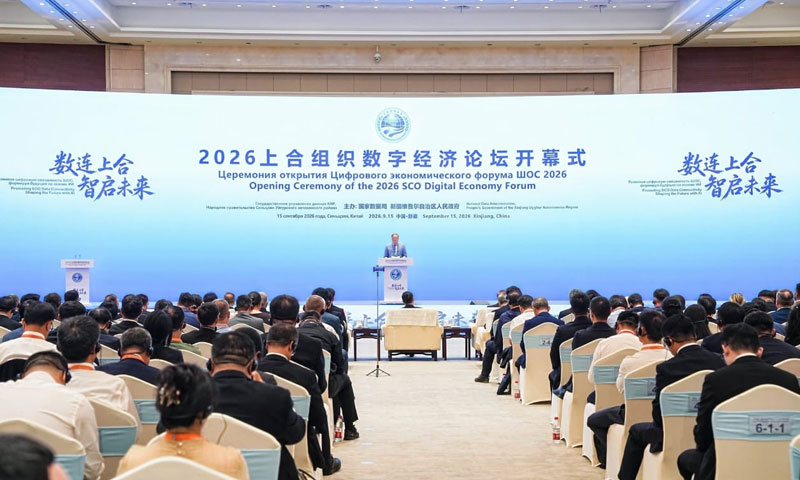
Ahsan Iqbal unveils Pakistan’s $1tr digital roadmap at SCO forum
- WEB DESK
- September 15, 2026