- Web Desk
- 49 Minutes ago
Pakistan expected to further cut fuel prices as global oil rates fall
-

- Web Desk
- Now
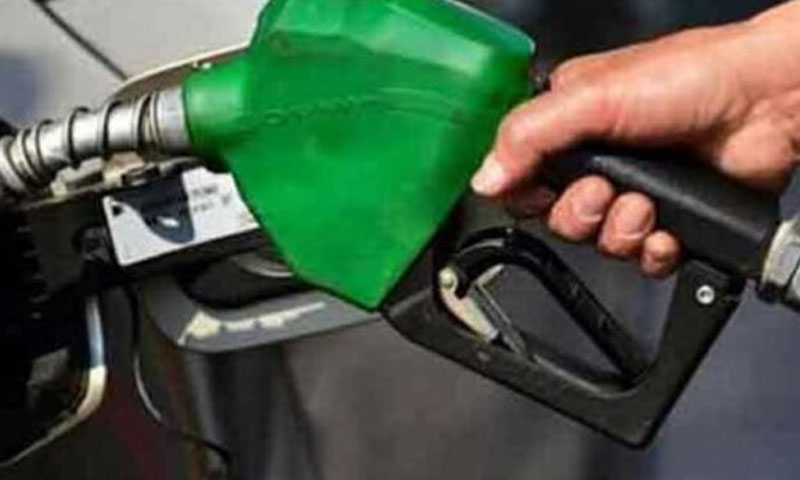
ISLAMABAD: The federal government is expected to slash domestic petrol and diesel prices by up to Rs30 per litre following a 6 per cent drop in global oil rates, driven by a rapid easing of supply disruption fears in the Middle East.
The relief is expected on the heels of a massive price cut on June 19, when Prime Minister Shehbaz Sharif lowered petrol by Rs74 per litre and diesel by Rs67 per litre. That adjustment brought the retail price of petrol down to 299 rupees per litre and diesel to 311 rupees per litre.
The upcoming fuel price review will capitalise on global benchmarks hitting their lowest points in nearly four months, erasing the risk premiums built up during recent regional hostilities.
Price Benchmarks Tumble
Internationally, Brent crude fell 1.33 per cent to $72.7 a barrel, while US West Texas Intermediate (WTI) fell 0.9 per cent to $69.7 a barrel. Both indicators have reached their lowest levels since late February.
The United States confirmed that shipping through the strategic Strait of Hormuz — which handles a fifth of global oil and liquefied natural gas — is returning to normal following the announcement of a US-Iran deal in Switzerland last week.
US Energy Secretary Chris Wright stated that maritime oil flows have nearly fully recovered, with at least 20 million barrels passing through the strategic waterway over a 24-hour window.
IRGC Warning
Despite the broader recovery, Iran’s Islamic Revolutionary Guard Corps (IRGC) issued warnings on Thursday demanding that commercial vessels strictly utilise Tehran-approved routes.
The mandate openly rejects newly designed shipping lanes coordinated by Oman and the United Nations’ International Maritime Organization (IMO).
According to data released by the IMO, a specialised evacuation plan has already successfully transited 57 ships carrying roughly 1,100 seafarers through the high-risk strait since June 23.
US Assures Gulf Allies on Safe Transit
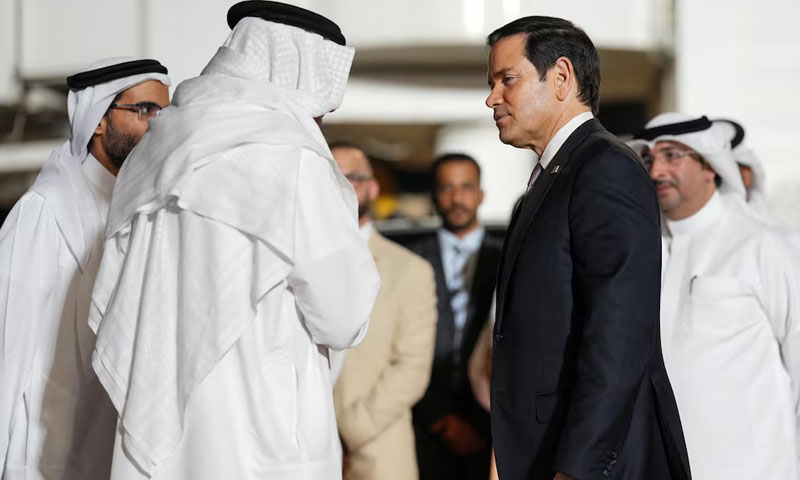
The supply chain stabilisation coincides with a high-stakes diplomatic tour by US Secretary of State Marco Rubio, who visited Bahrain to reassure skeptical Gulf Arab allies regarding Washington’s preliminary framework agreement with Tehran.
Addressing regional anxieties over Iranian overreach, Rubio drew a hard line against potential maritime restrictions or financial levies imposed by Tehran on international vessels.
“No country on Earth has the right to charge for the use of international waterways,” Rubio told reporters in Manama, asserting that any such toll system would be completely unacceptable under any finalized agreement.
While domestic industry experts warn that the final retail pricing formula in Pakistan will still depend on minor exchange rate movements and taxation adjustments, the sharp structural decline in global crude sets a clear stage for the government to pass sizable compounding relief down to inflation-weary consumers.
You May Also Like