
- Javed Soomro
- September 15, 2026
Pakistan hosted UN panel highlights terror threats from AI and Crypto
-

- Sadia Basharat
- April 25, 2026
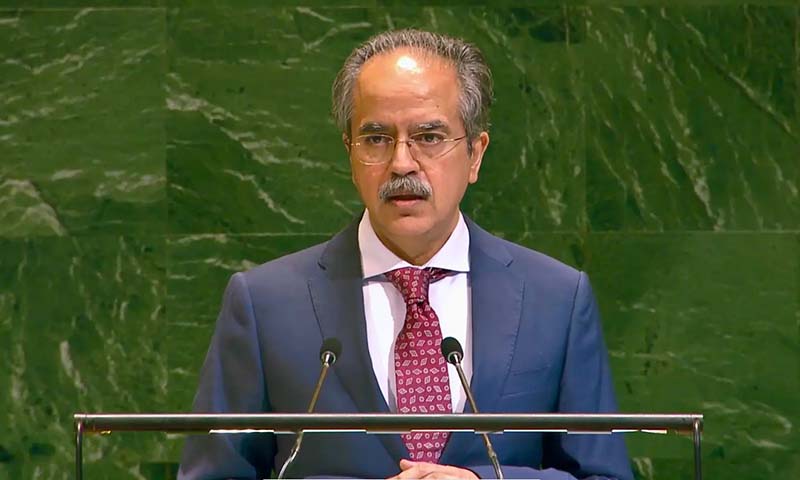
WEB DESK: The global terror threat has entered a “multipolar and sophisticated” era, as extremist groups increasingly weaponise artificial intelligence, encrypted messaging, and digital currencies to bypass traditional security nets.
This warning formed the crux of a high-level panel discussion at United Nations headquarters in New York, organised by the Permanent Mission of Pakistan in collaboration with the UN Office of Counter-Terrorism (UNOCT), according to Dawn News.
Diplomats and security experts noted that the convergence of emerging technologies with rising ideological extremism including far-right movements in the West has decentralised the threat.
Unlike traditional hierarchies, these loosely organised networks now operate without clear leadership or geographic limits, complicating international sanctions and detection efforts.
The tech-driven frontier of recruitment and finance
While traditional methods of moving money remain prevalent, experts highlighted a disturbing trend: terrorist organisations are now experimenting with cryptocurrencies and digital wallets to fund their operations.
This shift into the “online ecosystem” allows for remote recruitment and propaganda dissemination that often falls entirely outside of national regulatory control.
Pakistan’s Permanent Representative to the UN, Asim Iftikhar Ahmad, described the landscape as “fast-evolving,” citing gaps in the global counter-terrorism architecture and the difficulties governments face in holding tech giants accountable across different jurisdictions.
Acting Under-Secretary-General of UNOCT, Alexander Zouev, echoed these concerns, stressing that the international community must pivot toward preventive action to address the risks baked into AI and encrypted services.
Regional Threats and the Urgency of Regulation
The panel identified specific militant groups driving instability across Asia and Africa. Significant attention was drawn to the Tehrik-i-Taliban Pakistan (TTP), the Balochistan Liberation Army (BLA), and ISIL-K, as well as Jama’at Nasr al-Islam wal Muslimin (JNIM) in the Sahel region.
These groups are reportedly exploiting ungoverned spaces and fragile states as physical bases, while using digital tools to coordinate attacks globally without a centralised command.
The urgency for tighter regulation of online spaces has been underscored by tragedies like the Christchurch mosque shootings, where digital platforms were used to amplify violence in real time.
As Pakistan begins its 2025–26 term on the UN Security Council, it is advocating for a comprehensive approach that targets both the technological tools of terror and the root causes of conflict, such as xenophobia and religious intolerance.
You May Also Like

- Reuters
- September 15, 2026
‘Widow’s Bay’ dominates Emmys as ‘The Pitt’ repeats drama win
- WEB DESK
- September 15, 2026