
- WEB DESK
- September 13, 2026
Pakistan nears deal with Qatar for emergency LNG supplies
-

- WEB DESK
- April 20, 2026
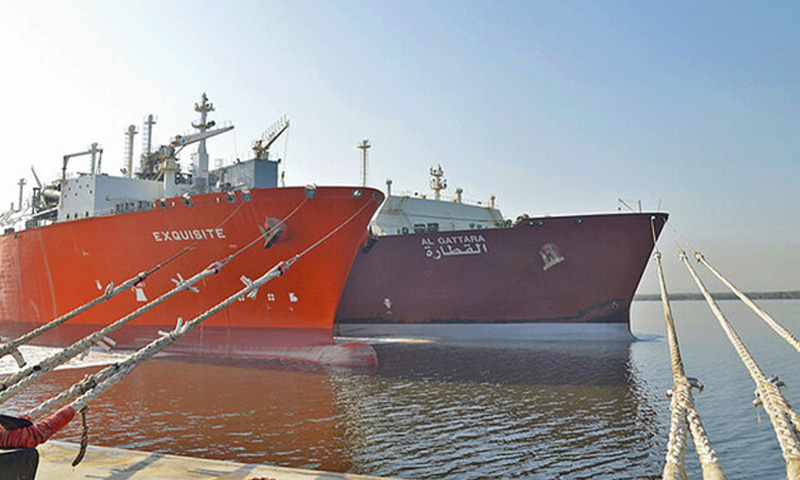
ISLAMABAD: Pakistan is close to finalising an agreement with Qatar to secure at least four shipments of liquefied natural gas (LNG), as authorities scramble to address a growing electricity shortfall ahead of the summer season.
Officials say the proposed cargoes could begin moving through the Strait of Hormuz within days, following signs that maritime routes in the region may soon reopen after weeks of disruption, Dawn News reported on Monday.
The push for additional fuel comes as the country faces mounting criticism over power outages even before peak summer demand sets in. The Power Division has already asked the Petroleum Division to arrange roughly 400 million cubic feet per day of LNG to sustain electricity generation across the national grid.
Imports of LNG were halted last month when the Strait of Hormuz was effectively closed amid escalating tensions in the Middle East. The crisis was triggered by US-Israel strikes on Iran, followed by retaliatory attacks targeting energy facilities in several Gulf states. In response, Qatar invoked force majeure on its LNG contracts, including those with Pakistan.
With supply lines disrupted, Pakistan’s power managers issued an urgent appeal to secure fuel after learning that Pakistani-flagged vessels might soon be able to pass through the strategic waterway. Several Qatari LNG shipments had previously been forced to turn back, and dozens are believed to remain stranded near the chokepoint.
Islamabad has formally requested Doha to allocate at least four of these cargoes, with senior officials indicating that diplomatic channels are being actively used to support the effort. Technical teams from both countries are currently working out the logistics.
The development coincides with recent diplomatic outreach by Prime Minister Shehbaz Sharif and senior military leadership, who visited key Middle Eastern capitals to help ease regional tensions and facilitate the restoration of energy supply routes.
Energy officials warn that electricity demand is already climbing and will continue to rise sharply with increasing temperatures. Without adequate LNG supplies, it would be difficult to keep major gas-fired power plants – particularly those in Punjab with a combined capacity of about 6,000 megawatts – operational.
Authorities caution that relying on alternative fuels such as high-speed diesel or furnace oil would significantly raise generation costs. Diesel-based power, which was already expensive before the regional conflict, may now cost more than Rs80 per unit, putting additional financial strain on consumers.
The Power Division has stressed that uninterrupted LNG supply is essential to maintain grid stability and meet demand across both public distribution companies and Karachi’s K-Electric network. A detailed forecast of fuel requirements has been shared with the Petroleum Division to guide planning for the coming weeks.
Officials add that if LNG shortages persist, increased use of costly backup fuels could lead to longer outages and higher electricity bills due to fuel price adjustments.
Electricity demand during peak summer months typically exceeds 28,000 megawatts, compared to current peak levels of around 20,000 megawatts. While solar energy has helped reduce daytime demand, reliance on the grid rises again after sunset, adding further pressure on the system.
With temperatures set to climb, securing LNG supplies has become a top priority to avoid a deeper energy crisis in the weeks ahead.
You May Also Like



- Reuters
- September 13, 2026