
- WEB DESK
- October 10, 2026
Pakistan needs more administrative units to manage growing population, WEF analysis says
-

- WEB DESK
- October 10, 2026
Pakistan may need to redesign its administrative structure as its population grows and governance systems struggle to keep pace, according to a World Economic Forum analysis examining the country and other emerging economies.
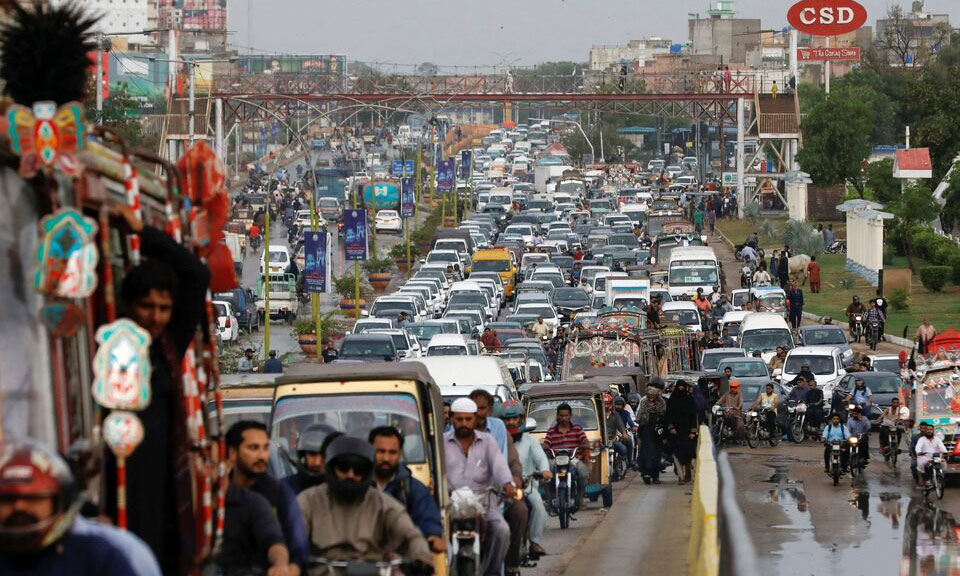
The analysis says administrative systems built for smaller societies can become less effective when serving much larger, more urban and unequal populations. Pakistan’s population could reach 265 million by 2030, it says.
Administrative boundaries shape how governments collect revenue, allocate public funds, plan infrastructure, respond to crises and measure performance. When boundaries no longer reflect demographic and economic realities, governance challenges can intensify.
Devolution has not brought decisions close enough
Successive governments have taken major steps towards devolution, including the 18th Constitutional Amendment and the 7th National Finance Commission Award. These measures devolved major responsibilities for health and education and increased the provinces’ share of federal taxes from 47.5% to 57.5%.
However, many decisions remain distant from the communities affected by them. Lahore district has around 13 million people, while Harnai district in Balochistan has about 128,000, meaning policies developed in provincial capitals must serve places with very different needs.
The Planning Commission’s District Education Performance Index found that none of the 134 districts assessed reached the “very high” performance category. The analysis says this points to a gap between policymakers and districts, budgets and outcomes, and authority and accountability.
Different models for administrative reform
Other large countries have changed their administrative structures as their populations and economies evolved. Nigeria expanded from three regions to 36 states by 1996, while Indonesia increased its provinces from 27 to 38. Kenya replaced eight provinces with 47 elected county governments in 2013, giving them a formula-based share of national revenue weighted for population and poverty.
In Indonesia, Nigeria and Brazil, average populations at the first administrative tier are around 6 million to 8 million, compared with Pakistan’s current average of about 60 million, the analysis says.
For Pakistan, it outlines several possible approaches. One would divide each existing province into four, creating 16 first-tier governments and reducing the average population per unit to around 15 million.
Other options include creating 23 to 25 units based on population balance or geographic coherence, or using existing civil divisions to establish more than 30 units, with average populations closer to those of other large federations.
Fewer, larger units may be easier to legislate for and finance. More numerous units could bring capitals and political authority closer to citizens, but would increase transition costs and require stronger administrative capacity. The analysis points to Lebanon as a warning that fragmentation without adequate fiscal and institutional capacity can undermine service delivery.
It argues that boundaries, funding and responsibilities must change together. Smaller units without predictable transfers, credible taxing powers and clear service responsibilities could simply reproduce centralisation at a lower level.
Provincial taxes generated Rs983 billion in 2024-25, amounting to less than 0.9% of gross domestic product. Although agriculture accounts for 24% of value added, the International Monetary Fund estimates the sector’s effective tax rate at just 0.3%. Provincial tax authorities have also faced limited administrative capacity, weak enforcement and inadequate information.
The analysis says the objective should not be to create more administrative units for their own sake, but to align scale, authority, resources and accountability so that decisions and public resources are closer to the people affected by them.