- Reuters
- September 13, 2026
Pakistan set to host pivotal Iran-US talks as backchannel diplomacy revives process
-

- Sadia Basharat
- April 18, 2026
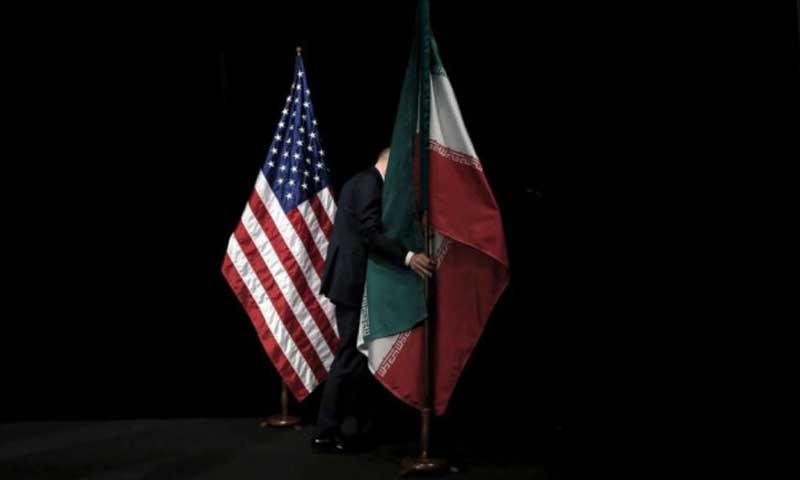
WEB DESK: Pakistan is preparing to host what may prove the most decisive round of negotiations between Iran and the United States, after a series of confidence-building measures helped bring the stalled diplomatic process back on course, diplomatic sources said on Friday.
According to sources, delegations from Tehran and Washington have agreed in principle to travel to Islamabad for the next round of talks in the near future.
The planned engagement is being described as crucial, with fresh momentum generated following intensive behind-the-scenes efforts by Pakistan.
The development comes after an earlier round of talks failed to secure a breakthrough, raising fears that the fragile process could collapse.
However, Islamabad is said to have quietly intensified its contacts with both sides in an effort to preserve dialogue and avert further escalation.
Pakistan’s quiet mediation effort
Pakistan’s role as mediator had initially been met with scepticism, with some questioning whether Islamabad had the leverage to bridge deep mistrust between Tehran and Washington.
Instead of adopting a public-facing approach, Pakistan pursued discreet diplomacy. Officials say Islamabad first helped secure a two-week ceasefire, creating space for negotiations to continue.
This was followed by a rare face-to-face meeting between Iranian and US officials in Islamabad, regarded as a significant step despite unresolved differences.
Diplomatic insiders said the most important progress came later, when Chief of Army Staff Field Marshal Syed Asim Munir travelled to Tehran for direct talks with the Iranian leadership.
The visit is understood to have helped remove major obstacles in the negotiations. Soon afterwards, a ceasefire in Lebanon was announced, while Iran reopened the Strait of Hormuz to commercial shipping — both seen as important measures to reinforce trust.
Challenges remain despite optimism
Analysts say Pakistan’s effectiveness stems from its ties with Tehran, its working relationship with Washington, and its broader understanding of regional security dynamics.
As a nuclear-armed state with strong military capabilities and close links with Gulf countries, Pakistan was able to communicate strategic concerns to both sides while urging restraint.
Officials, however, warned against assuming an agreement is imminent. Although optimism has grown after reports that US President Donald Trump may travel to Islamabad for the signing of a possible accord, diplomats stressed that negotiations remain highly complex.
“A deal is only done when it is done,” one source said.
While broad understanding has reportedly been reached on several issues, contentious matters remain unresolved and require further detailed talks.
Sources also cautioned that domestic political pressures in both countries, along with the risk of outside spoilers, could still derail the process.
You May Also Like
- Reuters
- September 13, 2026
Trump says ‘very negative forces’ raising exaggerated concerns over AI
- Ayub Tareen
- September 13, 2026