
- Javed Soomro
- September 15, 2026
Pakistan shifts to climate-resilient housing after repeated flood disasters
-

- WEB DESK
- April 27, 2026
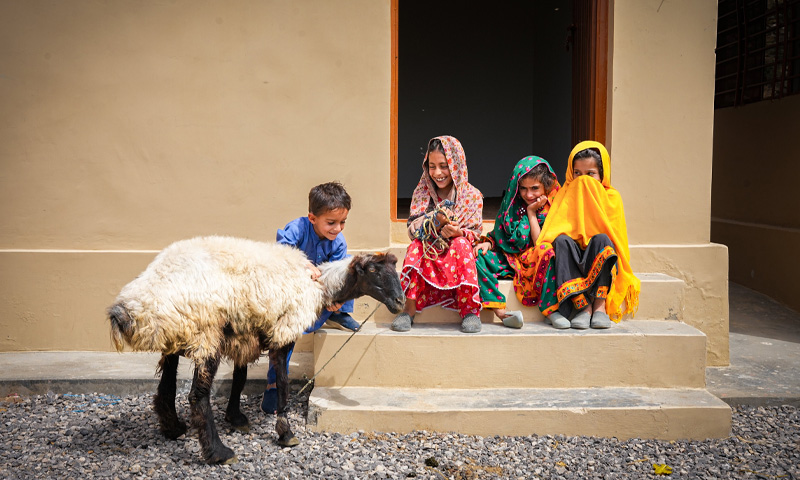
Efforts to rebuild flood-affected communities in Balochistan are gaining pace, as climate-resilient housing projects begin to take shape in areas repeatedly hit by extreme weather events.
The United Nations Development Programme (UNDP), in collaboration with the Government of Germany through KfW Development Bank, and in partnership with the Ministry of Planning, Development and Special Initiatives and provincial authorities, is constructing 700 climate-resilient homes for families impacted by recent floods.
A high-level delegation led by Muhammad Bashir Khetran visited the Hanna–Urak site in Quetta to review progress and interact with beneficiary families. Officials confirmed that over 150 homes have already been handed over, with more nearing completion.
The initiative comes in the aftermath of the catastrophic 2022 floods, which submerged large parts of Pakistan, displaced millions, and destroyed over two million homes. Balochistan was among the worst-affected regions. The situation worsened further after renewed flooding in 2025, highlighting the need for long-term, climate-adaptive solutions rather than temporary reconstruction.
The newly built homes incorporate flood-resistant and weather-adaptive features, including elevated foundations, reinforced structures, and improved ventilation systems to withstand both flooding and extreme heat.
Officials say the project represents a shift toward “building back better,” focusing not just on recovery but on resilience. By integrating disaster risk reduction into housing design, the initiative aims to protect vulnerable communities from recurring climate shocks while restoring stability and livelihoods.
The programme is being seen as a key step toward strengthening Pakistan’s climate resilience through coordinated international and local efforts.
You May Also Like



- Reuters
- September 15, 2026
‘Widow’s Bay’ dominates Emmys as ‘The Pitt’ repeats drama win

- WEB DESK
- September 15, 2026