
- Reuters
- October 23, 2026
Pakistan still seeks to bridge US-Iran gaps despite stalled face-to-face talks
-

- Zafar Ali
- April 27, 2026
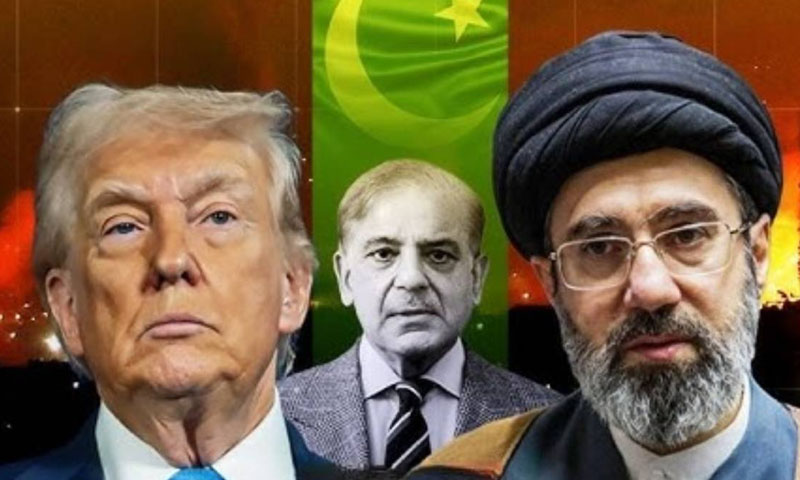
ISLAMABAD/WASHINGTON: Pakistan says efforts are continuing to bridge differences between the United States and Iran despite the collapse of face-to-face talks after Washington called off a planned diplomatic visit, sources involved in mediation told Reuters on Monday.
The development comes as US President Donald Trump ruled out immediate negotiations, saying Iran “can call or come to us” if it wants a deal, while insisting that Tehran must not be allowed to acquire nuclear weapons.
Talks stall as shuttle diplomacy continues
According to Pakistani sources, backchannel contacts remain active even though high-level in-person talks failed to materialise in Islamabad over the weekend.
Iranian Foreign Minister Abbas Araghchi, who shuttled between Islamabad and Muscat before travelling to Moscow on Monday, has reportedly carried a phased proposal aimed at de-escalation, Iranian sources said.
The proposal reportedly prioritises ending hostilities and addressing maritime tensions in the Gulf, particularly around the Strait of Hormuz, while delaying broader nuclear discussions to a later stage — a sequencing that Washington is unlikely to accept.
Washington maintains hardline stance
US President Trump, speaking to Fox News, said Iran already knows the terms of any agreement.
“They cannot have a nuclear weapon. Otherwise, there’s no reason to meet,” he said.
Trump also confirmed he cancelled the planned trip by US envoys Steve Witkoff and Jared Kushner to Islamabad, citing timing and cost concerns, and described Iran’s offer as “not enough”.
Islamabad remains in mediation role
Pakistani officials say diplomatic engagement is ongoing remotely, but no in-person meeting is currently planned until both sides reach sufficient convergence.
“The draft will be negotiated remotely till they reach some consensus,” a Pakistani official familiar with the process said.
Islamabad, which had been preparing for high-level talks last week, has since reopened previously restricted areas after the expected meeting did not take place.
Oil prices rise amid uncertainty
Markets reacted to the diplomatic deadlock, with Brent crude rising around 2 per cent in Asian trading as concerns over Gulf shipping disruptions persisted.
Iranian-linked tensions have already impacted maritime movement through the Strait of Hormuz, a key global oil transit route.
Wider regional escalation continues
The diplomatic impasse comes amid continued regional volatility, including intensified fighting in Lebanon, where Israeli strikes reportedly killed at least 14 people on Sunday, according to health officials.
Iran has linked any broader negotiations to a ceasefire in Lebanon, further complicating diplomatic efforts.
Outlook uncertain
With both Washington and Tehran holding firm positions, analysts say the situation is increasingly shifting towards a test of endurance, with economic pressure and regional escalation shaping the next phase of the crisis.