
- WEB DESK
- September 15, 2026
Pakistan to transfer billions to treasury by closing state accounts
-

- Zafar Ali
- April 25, 2026

ISLAMABAD: The government has decided to close around 70 bank accounts held by government entities and transfer roughly Rs300 billion ($1.08 billion) into the national treasury under an agreement with the International Monetary Fund, officials said, as Islamabad moves to consolidate public funds and reduce borrowing costs.
The step forms part of a staff-level agreement reached last month with the IMF, according to officials familiar with the matter.
Pakistan had earlier closed 242 such accounts, transferring nearly 200 billion rupees into a Treasury Single Account (TSA), they said.
Finance ministry officials told The Express Tribune that the government plans to eventually shut down about 250 additional non-savings accounts holding close to Rs400 billion.
In the first phase, accounts belonging to ministries and their attached departments will be targeted.
The move is aimed at centralising idle public funds that are currently parked in commercial banks, often generating returns for state entities while the government simultaneously borrows at higher interest rates — a practice the IMF has long criticised.
“The objective is to improve cash management and reduce the cost of public debt,” a finance ministry official said.
However, the ministry has taken a cautious approach regarding autonomous bodies, warning that a blanket restriction on their bank accounts could undermine their financial independence.
In a second phase, ministries and divisions are expected to close their savings accounts as well, though partial exemptions may be granted to autonomous institutions, particularly those that do not rely on federal budgetary support.
The Senate Standing Committee on Finance has also raised concerns, noting that nearly 200 public sector entities and regulatory bodies are holding over one trillion rupees in private bank accounts, in potential violation of the Public Finance Management Act, 2019.
Separately, Pakistan has assured the IMF it will extend the average maturity of its domestic debt to four years and two months by June 2027, in a bid to reduce refinancing risks.
The maturity period stood at around two-and-a-half years at the start of the programme and has since increased to approximately three-and-a-half years.
The finance ministry said the government would continue efforts to stabilise the domestic debt structure, broaden the investor base and gradually reduce reliance on borrowing from the central bank.
Pakistan is implementing a series of fiscal and structural reforms under the IMF programme as it seeks to shore up its external finances and restore macroeconomic stability.
You May Also Like


- WEB DESK
- September 15, 2026
Pakistan to host women’s U19 tri-series with Sri Lanka, Bangladesh
- WEB DESK
- September 15, 2026
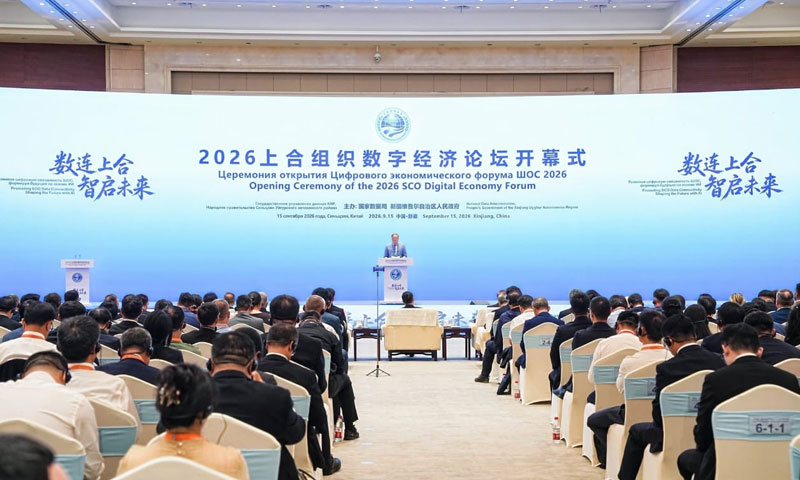
Ahsan Iqbal unveils Pakistan’s $1tr digital roadmap at SCO forum
- WEB DESK
- September 15, 2026
