- Reuters
- October 20, 2026
PHC reserves decision on pleas against governor’s rule, emergency in KP
-

- Alishba Khattak
- October 20, 2026
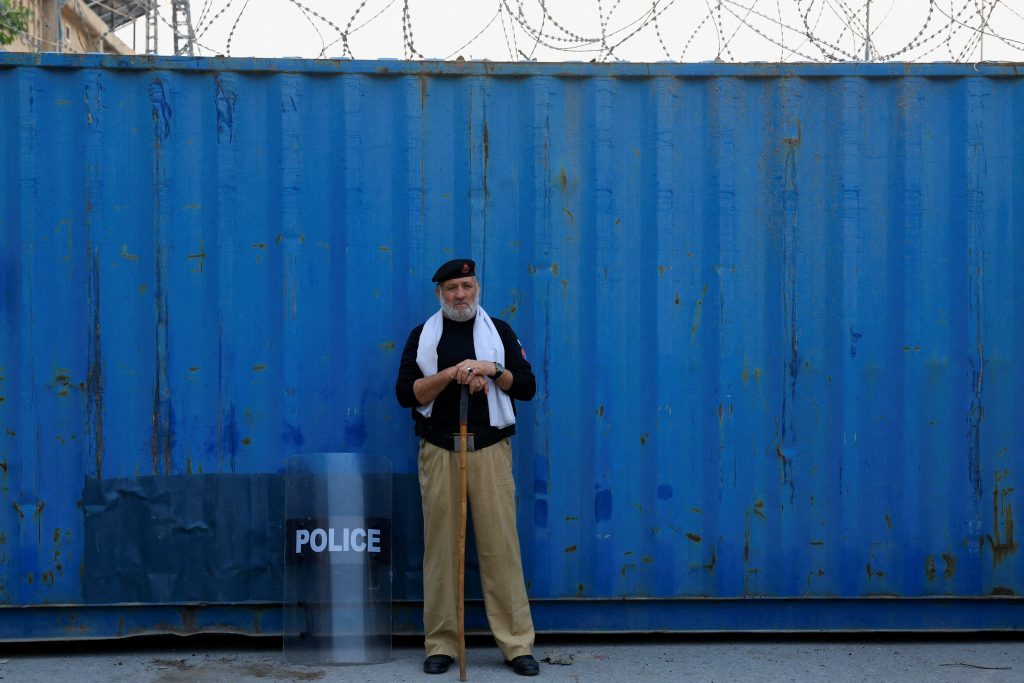
PESHAWAR: The Peshawar High Court (PHC) on Tuesday reserved its decision on petitions challenging the imposition of governor’s rule and emergency in Khyber Pakhtunkhwa (KP), after petitioners’ lawyers argued that the measures were imposed on political grounds rather than security considerations.
A two-member bench of Justice Ijaz Anwar and Justice Faheem Wali heard the petitions, which challenge the legality of both measures.
Last week, the National Assembly and Senate approved resolutions endorsing the imposition of emergency in KP, amid a heated debate over the province’s security situation, political negotiations and the federal government’s decision. The resolutions were passed by majority vote, after which the National Assembly session was adjourned until 11am on Friday. During the debate, Law Minister Azam Nazeer Tarar defended the emergency, describing it as a constitutional response to deteriorating security conditions in KP. Pakistan Peoples Party (PPP) Chairman Bilawal Bhutto-Zardari, however, called for renewed political engagement between the federal government and Pakistan Tehreek-e-Insaf, urging both sides to return to talks.
The petitioners’ counsel argued that an emergency could be imposed only in the event of war or external aggression, neither of which, they maintained, existed in the province. They said the provincial government had the authority to take measures against terrorism and questioned why an emergency had not been imposed when militant violence was at its peak.
The counsel further argued that Article 234 of the Constitution could be invoked only when a provincial government was unable to function. The provincial assembly and government had been functioning, they said, and there had been no constitutional breakdown to justify governor’s rule.
Speaking to the media outside the court, PTI lawyer Salman Akram Raja said parliamentary approval was necessary for an emergency or governor’s rule, and that the chief minister’s authority could not simply be withdrawn under either arrangement.
Barrister Sameer Khosa alleged that governor’s rule had been imposed solely for political reasons and that the province had been functioning in accordance with the Constitution. He claimed the chief minister and speaker had been unlawfully taken into custody after its imposition. If the aim was to counter terrorism, he said, action should be directed at that objective rather than against a particular political party.
PTI Chairman Barrister Gohar Ali Khan said the party had challenged both measures and requested a larger bench. He said the court had given the petitioners 10 days and expressed hope that justice would be delivered. He maintained that the provincial government had received its mandate from the people and questioned why similar measures had not been taken in Balochistan, where he claimed terrorism was more severe. He also questioned the reported detention of Aleema Khan, the removal of PTI election symbols and the arrests of the party’s provincial lawmakers.
Senate Opposition Leader Allama Raja Nasir Abbas said the affairs of KP should be managed by its own government and people, as in Balochistan. He alleged that the province appeared to have been placed under Punjab’s control and that its traditions and political norms had been disregarded.