
- WEB DESK
- October 5, 2026
PMDC bars allied health professionals from practice amid rising HIV cases
-

- Saba Bajeer
- April 24, 2026
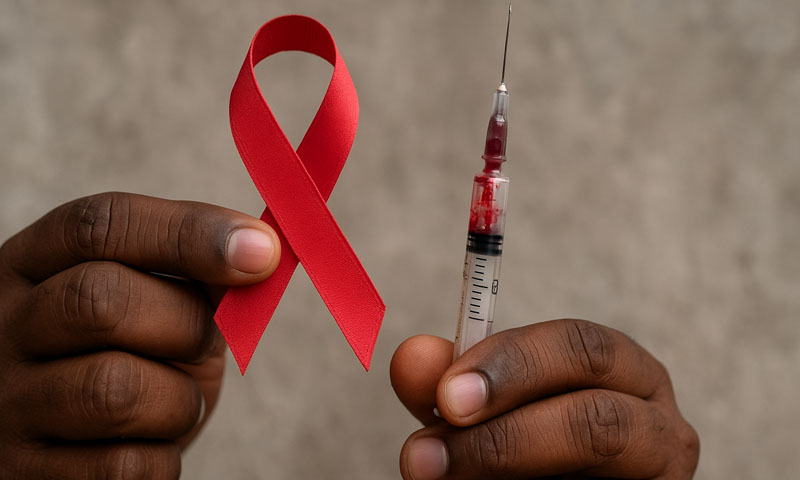
ISLAMABAD: The Pakistan Medical and Dental Council (PMDC) has barred allied health professionals from carrying out clinical practice, tightening rules amid a rise in HIV and hepatitis cases in parts of the country.
The medical regulator said only registered doctors would be allowed to diagnose illnesses, prescribe medicines and perform medical procedures under the PMDC Act 2022.
The move follows concerns over increasing HIV infections, particularly in Islamabad and Mirpurkhas, which authorities partly attributed to professional negligence and weak regulatory oversight.
Allied health professionals (AHPs) are a category of healthcare workers who provide diagnostic, preventive, therapeutic and rehabilitative services, often working alongside doctors and nurses in hospitals and other facilities.
Globally, they are estimated to make up around 30 per cent of the health workforce and are typically regulated through education, licensing and evidence-based practice standards.
Under the new directives, pharmacists, psychologists and dental technologists have been restricted to their defined roles and barred from treating patients, prescribing medicines or performing surgeries outside their scope of practice.
The council warned that strict legal action would be taken against individuals using the title of “doctor” without proper registration, and against those engaged in unauthorised clinical activities.
Health departments across the country have been instructed to take urgent steps to curb violations, while unlicensed practices at clinics and healthcare facilities will face penalties under the law.
The crackdown comes as official data shows a steady rise in HIV cases in the capital.
According to the Ministry of National Health Services, Regulations and Coordination, at least 618 new HIV cases were recorded in Islamabad between January 2025 and March 2026.
Of these, 498 cases were reported in 2025, while 120 were detected in the first three months of 2026, indicating sustained transmission. Monthly figures ranged between 31 and 63 cases in 2025, with a similar trend continuing this year.
Adult men accounted for more than 64 per cent of infections, while cases were also reported among women, transgender persons and children, suggesting the spread is extending beyond high-risk groups.
Health officials linked the rise to high-risk behaviours such as drug use and unprotected sex, with experts pointing to the growing phenomenon of “chemsex,” where stimulant use lowers inhibitions and increases risky sexual activity.
Authorities say the latest measures are aimed at strengthening oversight of healthcare practices and curbing the spread of infectious diseases through stricter enforcement and improved accountability.
You May Also Like



- WEB DESK
- October 5, 2026
Petrol price increased by 88 paisas, diesel cut by Rs1.88
- WEB DESK
- October 5, 2026
