- WEB DESK
- November 20, 2026
Report identifies institutional weaknesses, corruption risks in federal bodies
-

- WEB DESK
- November 20, 2026
ISLAMABAD: The government has released a comprehensive reform report identifying corruption vulnerabilities and administrative weaknesses in federal institutions, with proposed measures aimed at improving transparency, merit and governance.
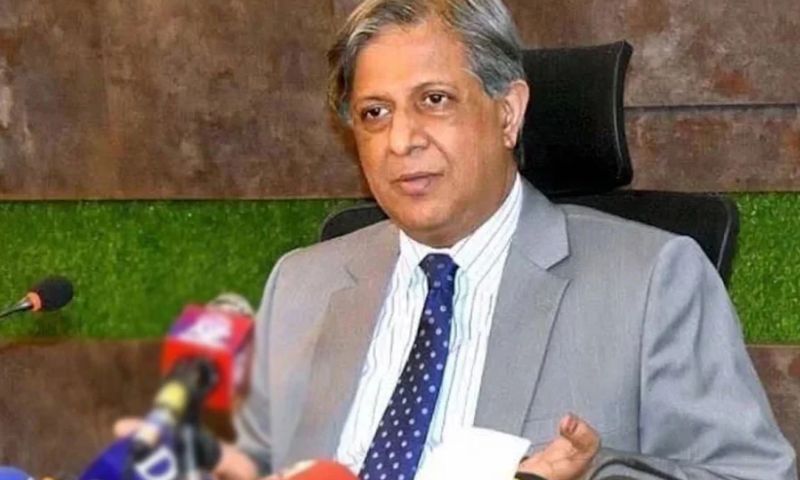
Addressing a news conference alongside Information Minister Attaullah Tarar and Minister of State for Finance and Revenue Bilal Azhar Kiani in Islamabad, Law Minister Azam Nazeer Tarar said on Friday said the report titled the “National Risk Assessment of Corruption Vulnerabilities” had been prepared by the Ministry of Law and Justice in collaboration with various government institutions.
He said the report was being made public following approval by Prime Minister Shehbaz Sharif and the federal cabinet, adding that it examined institutional weaknesses, administrative shortcomings and areas vulnerable to corruption across the federal government.
“The purpose of this exercise is not to target any individual or institution, but to identify weaknesses and improve the overall functioning of government departments,” Tarar said.
He said the assessment covered several federal institutions, including the Federal Board of Revenue (FBR), Benazir Income Support Programme (BISP), Pakistan Railways and the National Highway Authority (NHA).
The financial and administrative affairs of Sui Northern Gas Pipelines Limited (SNGPL) and electricity distribution companies were also examined, he added.
Tarar said the report proposed a range of reforms to prevent corruption and strengthen institutional accountability.
The government would periodically inform the public about progress on implementing the recommendations, he said.
He added that the government believed in self-accountability and had undertaken the assessment to identify weaknesses within its own institutions and improve public service delivery.
Government defends closure of loss-making institutions
The law minister said the government had closed the Pakistan Public Works Department (Pak-PWD) and prepared a compensation package for its employees, while the process of winding up the Pakistan Agricultural Storage and Services Corporation (PASSCO) was under way, with alternative arrangements being developed.
He also cited the privatisation of Pakistan International Airlines (PIA) as part of the government’s broader efforts to improve the performance of state-owned institutions.
On tax reforms, Tarar said the FBR had introduced a faceless system that had received a positive response from the business community, while the audit process was being digitised to reduce human intervention and improve transparency.
“Governments around the world run on tax revenues, not loans. Increasing revenue collection and improving the tax system are therefore essential,” he said.
The prime minister held weekly meetings to review the FBR’s performance, while merit-based appointments and digitisation remained among the government’s key priorities, Tarar added.
He said the performance of tax tribunals had improved and complaints relating to corruption had declined.
Appointments to the tribunals had been made in consultation with the chief justice, the Federal Public Service Commission and financial experts, he added.
Rs3.2 trillion package for youth, small businesses
Tarar said the government had introduced a financial package worth Rs3.2 trillion for young people and small businesses, while a digital authority had been established under the Pakistan Digital Nation Act.
He also said a programme to construct 500,000 houses for low- and middle-income groups had been launched, adding that the prime minister had issued special instructions regarding the housing initiative.
The government had also reviewed matters relating to power projects as part of its broader reform agenda, he said.
Tarar said the government had accelerated several initiatives to improve governance and put Pakistan on a path towards economic development.
He added that the reforms were being introduced in response to identified shortcomings and were intended to strengthen the system rather than target particular individuals or organisations.
Government claims transparency drive reflects self-accountability
Attaullah Tarar said the release of the risk assessment report reflected the government’s commitment to self-accountability, transparency and digitisation.
He said the assessment had been conducted on the prime minister’s special instructions to review the performance and administrative structures of government institutions.
He said some federal institutions had suffered from widespread corruption, prompting the government to decide to close departments and organisations that it considered unnecessary.
He cited the closure of Pak PWD, the winding-up process involving PASSCO and the closure of Utility Stores Corporation as examples of the government’s efforts to reform public-sector institutions.
The minister said the government had taken several unprecedented measures during the past two and a half years to improve governance and institutional performance.
He also highlighted the government’s handling of petroleum supplies amid difficult international conditions, saying timely arrangements had prevented fuel shortages and long queues at petrol stations in Pakistan.
The government had provided subsidies worth Rs129 billion to shield consumers from increases in petroleum prices, he said.
Attaullah Tarar said the prime minister’s fuel subsidy scheme was also continuing, providing relief to motorcycle owners and owners of vehicles with engine capacities of up to 800cc.
Despite a decline in international petroleum prices, the government had decided to continue the subsidy scheme to provide further relief to consumers, he added.
FBR reforms aimed at reducing corruption risks
Azhar Kiani said the government’s tax reforms were aimed at increasing revenue collection, improving transparency and reducing opportunities for corruption.
He said the extensive reforms introduced at the FBR were intended to make the tax administration more transparent and efficient.
Kiani said tax-related measures in the sugar, cement, tobacco and beverages sectors had helped increase government revenue.
The government was also using modern technology in the audit and customs sectors to minimise human intervention and strengthen monitoring mechanisms, he added.
He said the government had decided to shift official payments across all sectors to digital channels, a move intended to improve transparency in financial transactions and reduce the risk of corruption.
Efforts were also under way to reduce government expenditure and strengthen fiscal discipline, he added.