
- WEB DESK
- September 14, 2026
Saudi Arabia reasserts influence in Beirut, envoy gives tough message on Israel and sovereignty
-

- Sadia Basharat
- April 27, 2026
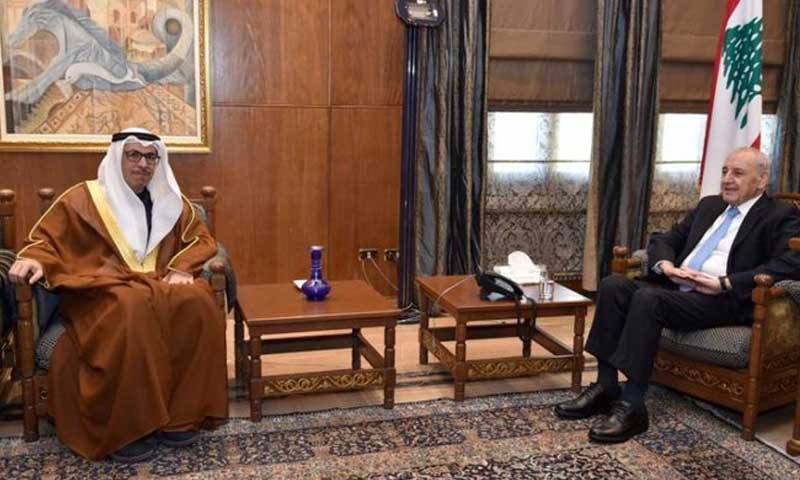
WEB DESK: A high-level Saudi diplomatic mission to Beirut has underscored Riyadh’s renewed determination to steer Lebanon’s political future, delivering a series of “firm messages” regarding the nation’s engagement with Israel and its internal power structure.
Prince Yazid bin Farhan, an advisor to the Saudi Foreign Ministry, met with Lebanon’s top leadership this week to reinforce a unified Arab front, making it clear that Lebanon must not break ranks with the broader regional consensus, according to CGTN.
Central to the visit was a directive that President Joseph Aoun maintain a strict diplomatic distance from the Israeli government, while concurrently insisting that any negotiation regarding reconstruction or border withdrawals remains strictly within the framework of the Arab Peace Initiative.
The Prime Minister’s authority and state sovereignty
The Saudi envoy’s visit served as a significant bolster for Lebanon’s institutional stability, specifically designating the role of the Prime Minister as a “red line” against any domestic or external interference.
Riyadh has expressed steadfast support for the cohesion of Lebanon’s leadership, provided that the state re-establishes a total monopoly over arms a clear signal that the Lebanese Armed Forces must be the sole military authority during the post-conflict period.
By urging a unified position on negotiations, Saudi Arabia is seeking to ensure that Lebanon remains anchored to the resolutions of the Arab League, preventing a fragmented political response that could leave the country vulnerable to unilateral pressures.
Navigating normalisation and regional red lines
Amid the diplomatic flurry, Speaker Nabih Berri has reportedly aligned with the Saudi position, stressing that Lebanon will not pursue a separate peace or formal normalisation with Israel until a broader Saudi-Israeli agreement is reached.
This stance reinforces the regional “lockstep” approach, ensuring that Lebanon’s indirect talks focused narrowly on territorial withdrawal and reconstruction do not evolve into a premature diplomatic pivot.
As Riyadh reclaims its role as a primary power broker in Beirut, the message is unambiguous: Lebanon’s recovery and political survival are inextricably linked to its adherence to the Arab consensus and the preservation of its sovereign state institutions.