
- Muhammad Zareef
- September 16, 2026
SBP to announce monetary policy today; oil price pressures signal possible rate hike
-

- WEB DESK
- April 27, 2026
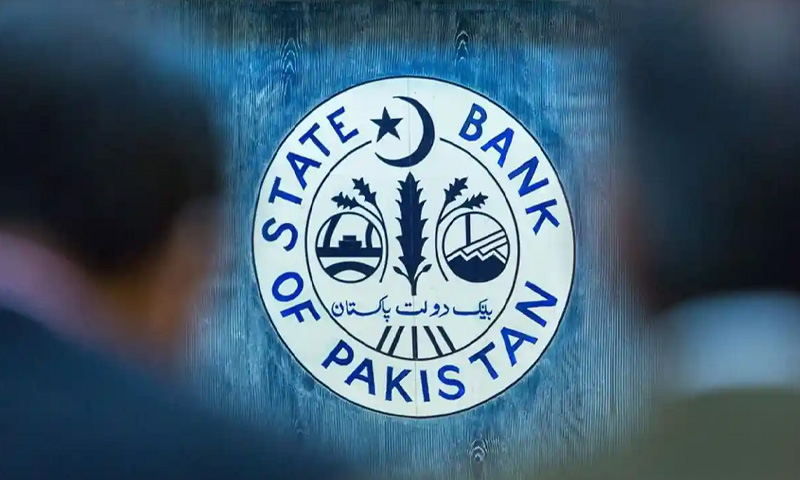
Pakistan’s central bank is set to unveil its latest monetary policy decision today, with attention centered on the future trajectory of interest rates amid a complex economic backdrop.
The State Bank of Pakistan (SBP) will hold a meeting of its Monetary Policy Committee to determine the benchmark interest rate, currently standing at 10.5 per cent. The decision follows a comprehensive review of key economic indicators, including imports and exports, exchange rate movements, and trends in global oil prices. Domestic factors such as large-scale manufacturing performance, crop production, and food inflation have also been assessed as part of the policy evaluation process.
The outcome is expected to carry significant implications for businesses and investors, particularly as Pakistan continues to navigate external account pressures and uneven economic recovery.
Business leaders have already voiced their concerns ahead of the announcement. Federation of Pakistan Chambers of Commerce and Industry President Atif Ikram Sheikh has urged policymakers to avoid further increases in interest rates. He cautioned that additional tightening could adversely affect business activity under current economic conditions, advocating instead for a reduction in rates to stimulate investment and support job creation.
WHY A CONTRACTIONARY POLICY MAY BE NECESSARY
From a policy perspective, the case for maintaining, or even tightening, a contractionary monetary stance remains strong. A global oil supply crunch and the resulting surge in international energy prices pose a significant risk to Pakistan’s inflation outlook and external balance. Higher oil import costs could intensify inflationary pressures and strain the country’s current account.
In this environment, a contractionary approach, despite its short-term impact on growth, may be essential to contain inflation, stabilise the currency, and prevent broader macroeconomic imbalances. While such a stance may not align with business community preferences, it reflects the need for prudent economic management in the face of mounting external vulnerabilities.
You May Also Like

- Reuters
- September 16, 2026
China’s top diplomat urges Iran, US to show restraint, revive talks
- WEB DESK
- September 16, 2026
Talal says Afghan-based network supplying weapons to banned JAAC busted
- Khurram Iqbal
- September 16, 2026