
- WEB DESK
- September 14, 2026
Trump calls Iran’s counteroffer ‘unacceptable’; tensions escalate, oil surges
-

- Reuters
- May 11, 2026
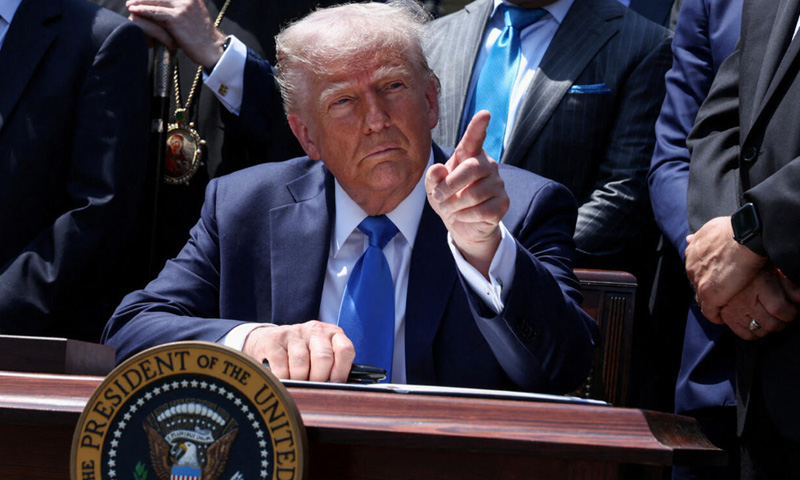
President Donald Trump on Monday sharply rejected Iran’s response to a US peace proposal aimed at ending the weeks-long conflict between the two countries, a move that further escalated tensions and triggered a sharp rise in global oil prices amid continued disruption in the Strait of Hormuz.
The dispute comes as the strategic waterway, a major route for global oil and gas shipments, remains largely paralysed after more than two months of conflict. Concerns over prolonged instability in the region pushed oil prices up by over 3.5 per cent on Monday as fears grew that negotiations between Washington and Tehran could collapse.
Iran’s response to the US proposal, released over the weekend, focused on ending hostilities across the region, including in Lebanon, where fighting continues between Israel and the Iran-backed Hezbollah group. Tehran also demanded compensation for damages caused during the conflict and reiterated its claim over sovereignty and security responsibilities in the Strait of Hormuz.
Iranian officials further called for an end to the US naval blockade, the lifting of sanctions, guarantees against future attacks and the removal of restrictions on Iranian oil exports.
Trump swiftly dismissed Tehran’s proposal, calling it “totally unacceptable” in a post on Truth Social, though he did not provide additional details regarding the US objections.
The US proposal had reportedly sought an immediate halt to fighting before broader negotiations on disputed issues, including Iran’s nuclear programme, could begin.
Following Washington’s rejection, Iran defended its position and described its offer as a responsible step towards restoring stability in the region.
Foreign Ministry spokesperson Esmaeil Baghaei said Iran’s demands were justified and included ending the war, removing what he described as an unlawful blockade, and releasing Iranian assets frozen under US pressure. He also said Tehran’s proposals regarding secure navigation through the Strait of Hormuz and regional stability should be viewed as constructive efforts to restore peace.
The prolonged standoff has intensified concerns over global energy security. Before the conflict erupted in late February, the Strait of Hormuz handled roughly 20 per cent of the world’s oil and liquefied natural gas trade. Although shipping activity has slowed significantly, tracking data showed that at least three oil tankers recently passed through the strait with tracking systems turned off to avoid potential attacks.
The conflict has also created political pressure for the Trump administration domestically, as rising fuel prices have become a growing concern ahead of upcoming congressional elections in the United States. Washington has also struggled to gain broader international support, with NATO allies reportedly unwilling to deploy naval forces to reopen the strait without a comprehensive peace agreement and an internationally authorised mission.
Attention is now turning to Trump’s expected visit to Beijing later this week, where discussions with Chinese President Xi Jinping are likely to include the Iran crisis and the growing global energy emergency. The US administration has been urging China to use its influence to push Tehran toward a settlement.
Despite a ceasefire that reduced large-scale fighting in early April, sporadic clashes and regional security incidents continue. The United Arab Emirates said it intercepted two drones launched from Iran, while Qatar condemned an attack on a cargo vessel in its territorial waters. Kuwait also reported intercepting hostile drones that entered its airspace.
Meanwhile, clashes between Israel and Hezbollah have continued in southern Lebanon despite a separate US-mediated ceasefire announced last month. Israeli Prime Minister Benjamin Netanyahu said military operations linked to Iran’s nuclear infrastructure and regional proxy groups were not yet complete, although he stated that diplomacy remained the preferred path for addressing Iran’s enriched uranium stockpiles.
Iranian President Masoud Pezeshkian, however, insisted Tehran would continue defending its national interests and would not yield to external pressure as diplomatic efforts to break the deadlock remain uncertain.
You May Also Like

- WEB DESK
- September 14, 2026
Petrol price rises by Rs4.42, diesel by Rs6.10 per litre

- WEB DESK
- September 14, 2026