
- WEB DESK
- September 14, 2026
Trump extends Iran ceasefire indefinitely, on Pakistan’s request
-

- Reuters
- April 22, 2026
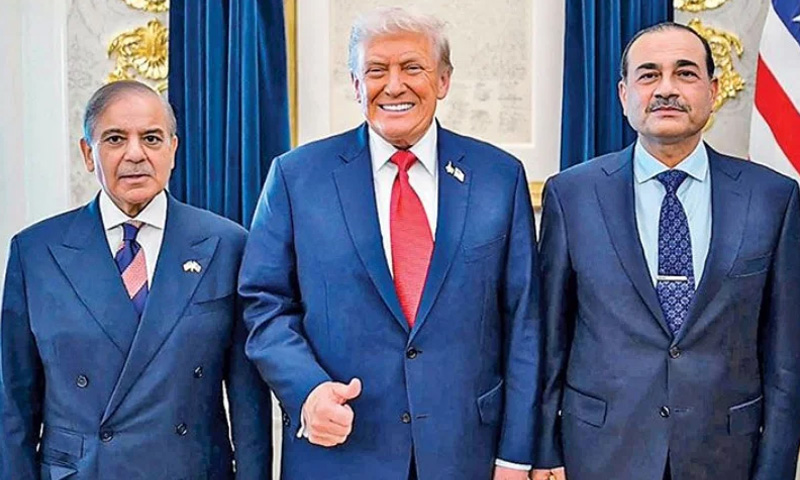
US President Donald Trump has announced an open-ended extension of the ceasefire with Iran, saying the move is intended to give diplomacy more time. However, uncertainty surrounds the decision, as it remains unclear whether Iran or US ally Israel will formally agree to continue the truce.
In a statement shared on social media, Trump said Washington had accepted a request from Pakistan, which has been acting as a mediator, to delay further military action while negotiations continue. Pakistani leadership has been hosting talks in Islamabad in an effort to end the conflict, which has lasted nearly two months and caused widespread human and economic damage.
Despite signaling restraint, the United States is maintaining its naval blockade on Iran’s maritime trade routes. Tehran has strongly criticised the move, calling it a hostile act. Early responses from Iranian officials suggested skepticism toward Washington’s announcement, with some figures dismissing it as lacking credibility or describing it as a possible political maneuver.
The war began on February 28, when US and Israeli forces launched airstrikes on Iranian targets. It quickly escalated, drawing in other parts of the region, including Gulf states hosting US bases and Lebanon, where the Iran-backed group Hezbollah became involved. The fighting has since resulted in more than 5,000 civilian deaths and displaced hundreds of thousands of people.
Global markets have also been shaken by the conflict. The Strait of Hormuz, a critical passage for oil shipments, has faced significant disruption, driving volatility in energy prices and raising fears of a broader economic slowdown. Iran has repeatedly leveraged its strategic position in the waterway in response to military pressure.
Trump’s messaging throughout the conflict has fluctuated between aggressive threats and calls for de-escalation. While he previously warned of severe military action against Iran’s infrastructure, he has also expressed a desire to bring the war to an end. International figures, including António Guterres, have cautioned against attacks on civilian targets, citing violations of international law.
The future of peace talks remains uncertain. A second round of negotiations in Islamabad had been tentatively planned, but logistical and political challenges have raised doubts about whether they will proceed as expected. Iranian officials have indicated a willingness to continue discussions, provided the US reduces pressure tactics and avoids framing negotiations as a demand for surrender.
One of the central sticking points in the talks is Iran’s nuclear program. Washington is pushing for limits on Tehran’s enriched uranium stockpiles to prevent the development of nuclear weapons, while Iran maintains that its program is for peaceful purposes and within its rights under international agreements.
Although the ceasefire extension may offer a temporary pause in fighting, deep divisions between the parties suggest that achieving a lasting resolution will remain a complex and uncertain process.
PM Shehbaz Sharif expressed gratitude to Donald Trump for supporting an extended ceasefire, creating space for meaningful dialogue and continued negotiations.
With Pakistan reaffirming its commitment to a peaceful resolution, hopes remain high that the second round of Islamabad Talks will pave the way toward a comprehensive and lasting peace deal.