- Reuters
- October 20, 2026
Two new polio cases reported in Khyber Pakhtunkhwa, 2026 tally rises to three
-

- WEB DESK
- May 1, 2026
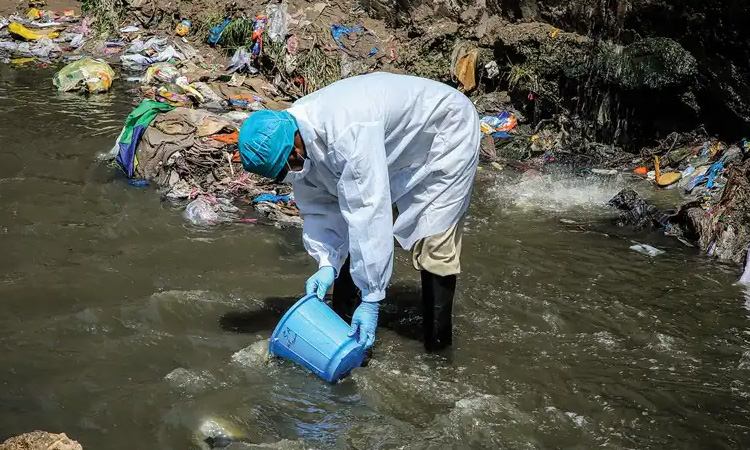
Pakistan has confirmed two new cases of wild poliovirus in southern Khyber Pakhtunkhwa, raising concerns about continued transmission in hard-to-reach areas despite overall progress in eradication efforts.
According to the National Emergency Operations Center (NEOC), the cases have been reported in Bannu and North Waziristan districts. Health officials said the affected children belong to Jani Khel union council in Bannu and Garyom union council in North Waziristan. The infections were detected through the national surveillance system and later confirmed by the National Institute of Health in Islamabad.
With these latest detections, Pakistan’s total polio cases for 2026 has risen to three. While the country has made significant progress, reducing cases by 99.8 per cent since the 1990s, health authorities warn that virus circulation persists in parts of southern KP, largely due to access challenges and gaps in immunization coverage.
Officials note that annual cases have declined from 74 in 2024 to 31 in 2025, reflecting the impact of vaccination campaigns. However, the emergence of new cases underscores the need for sustained and targeted efforts to interrupt transmission and ensure that every child is protected.
The Polio Eradication Initiative is implementing additional measures in high-risk areas, including community-based vaccination drives and integrated health services such as routine immunization, maternal and child healthcare, nutrition, and water and sanitation support.
Polio remains a highly contagious and incurable disease that can cause lifelong paralysis. Health experts noted that vaccination is the only effective protection and has been safely used worldwide.
So far in 2026, two nationwide vaccination campaigns have reached around 45 million children, with another drive planned in May targeting nearly 19 million more. Authorities are urging parents, community leaders, and media to support immunization efforts and counter misinformation, stressing that eradication is only possible when every child is vaccinated.
You May Also Like