
- Reuters
- October 27, 2026
US, Iran sign landmark peace deal; Macron hints at reopening of Strait of Hormuz
-

- Reuters
- June 18, 2026
WEB DESK: French President Emmanuel Macron has announced that a landmark agreement between the United States and Iran has been formally signed, hailing the development as a major milestone towards securing long-term peace and stability in the Middle East.
Speaking ahead of diplomatic engagements, Macron stated that the deal between Washington and Tehran would pave the way for lasting stability in the region.
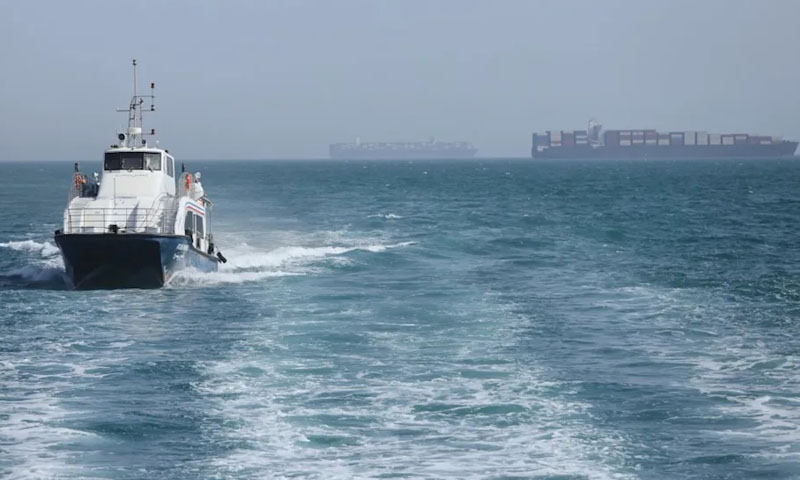
He emphasized that the accord could lead to the prompt reopening of the Strait of Hormuz a critical bottleneck for global energy shipments that has been heavily disrupted by recent geopolitical conflicts.
According to the French president, the agreement represents “a very important move in the right direction” and is poised to have profound implications for global energy markets.
The development follows reports that US President Donald Trump signed the accord during a diplomatic visit to France, formalising an interim framework intended to wind down regional hostilities.
Strait of Hormuz and energy impact
Mr Macron underscored that reopening the Strait of Hormuz under the newly signed agreement would ease maritime traffic and play a pivotal role in stabilising global supply chains.
The strategic waterway, managed alongside regional neighbors, has seen shipping gridlocked by blockades and security crises, driving up international mercantile costs.
He further noted that the diplomatic breakthrough could potentially lead to a decline in global energy prices in the near future.
This anticipated drop reflects improved market confidence as international energy corridors prepare to resume regular operations under verified security protocols.
European allies prepare deployment to secure waterway
The announcement coincides with broader European efforts to safeguard international shipping law in the vital passage.
While welcoming the Washington-Tehran accord, European leaders have remained vigilant regarding the technicalities of the reopening, particularly concerning potential maritime service fees or transit restrictions.
Mr Macron reiterated that Western allies defend international law and would work to ensure that no unilateral tolls are imposed on commercial vessels passing through the strait.
European nations are currently preparing to deploy a strictly defensive, multinational maritime mission to assist with mine-sweeping operations and guarantee the unhindered, free flow of trade as the peace agreement takes effect.
You May Also Like

- WEB DESK
- October 27, 2026
Punjab govt moves to provide life insurance cover to employees
- AFP
- October 27, 2026
