
- WEB DESK
- September 14, 2026
US signals fresh push for Iran talks as tensions simmer in Gulf
-

- Zoya Anwer
- April 23, 2026
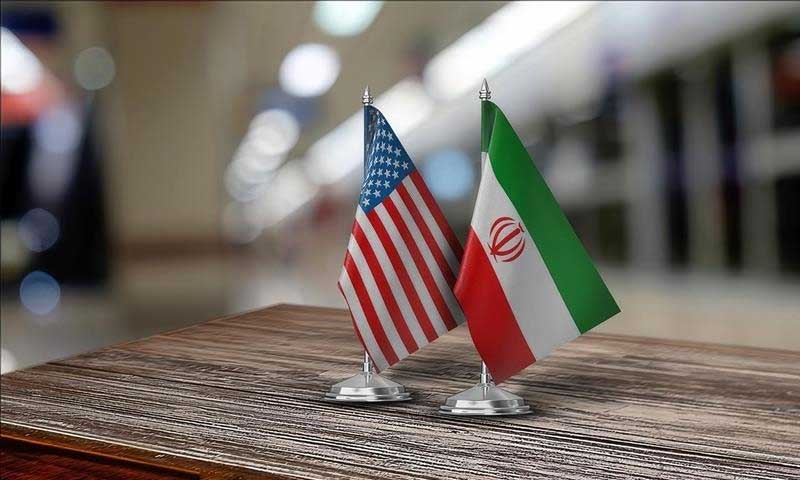
The United States has expressed cautious optimism about resuming negotiations with Iran within days, even as friction at sea and sharp rhetoric on both sides underline the fragility of the current ceasefire.
Speaking informally to US media, President Donald Trump suggested that a second round of talks could take place “within 36 to 72 hours,” with Islamabad emerging as a possible venue. The remarks come after a temporary ceasefire created space for diplomacy, though both sides remain deeply distrustful of each other’s intentions.
Despite initial reports suggesting Washington had imposed a short deadline for Tehran to present a unified proposal, Trump later rejected those claims, insisting there was “no time pressure” and no fixed timeline for ending hostilities or restarting talks. The conflicting signals reflect a broader uncertainty surrounding the next phase of engagement.
Meanwhile, Iranian officials have pushed back against suggestions of internal divisions, describing such claims as politically motivated. They maintain that the country’s leadership remains unified in its approach to negotiations and national security.
Blockade dispute and Hormuz incidents cast shadow over diplomacy
The diplomatic overtures are unfolding against a backdrop of heightened tensions in the strategically vital Strait of Hormuz, where recent maritime incidents have raised concerns about escalation.
Iran’s naval forces intercepted two cargo vessels attempting to pass through the waterway, redirecting them toward its coastline. A third ship reportedly came under fire in a separate incident, according to maritime security monitors. These developments coincide with an ongoing US naval blockade of Iranian ports, a move Tehran considers a violation of the ceasefire.
Iranian leaders argue that meaningful progress in negotiations is impossible while such measures remain in place. Parliamentary Speaker Mohammad Bagher Ghalibaf emphasised that any comprehensive truce must include the lifting of restrictions on maritime movement, calling the blockade incompatible with de-escalation.
President Masoud Pezeshkian echoed this sentiment, identifying “breach of commitments, blockade and threats” as the primary obstacles to genuine dialogue. While reaffirming Iran’s willingness to engage, he criticised what he described as inconsistencies between US statements and actions.
Tehran has also stressed that its military posture remains defensive. Officials insist that Iran did not initiate the conflict and retains the right to respond to perceived aggression, while also pursuing diplomatic avenues when conditions allow.
Pakistan’s mediation role and cautious diplomatic signals
Amid the uncertainty, Pakistan has been acknowledged by Iran for its efforts to facilitate dialogue and reduce tensions. Iranian Foreign Ministry spokesperson Esmaeil Baqaei highlighted Islamabad’s role in attempting to broker peace, though he stopped short of confirming a timeline for renewed talks.
He noted that diplomacy would only proceed when “necessary and logical groundwork” is in place, suggesting that confidence-building measures remain a prerequisite. The emphasis reflects Tehran’s insistence on tangible steps, particularly regarding the blockade, before fully committing to negotiations.
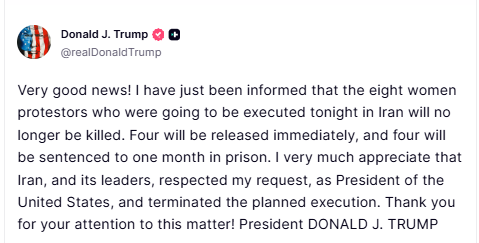
At the same time, Washington pointed to a potential humanitarian breakthrough. Trump claimed that Iran had halted the planned execution of eight detained women following his intervention, stating that some would be released while others would receive reduced sentences. Iranian authorities, however, had earlier denied that the detainees were facing execution, leaving the issue mired in conflicting narratives.
As both sides weigh their next moves, the situation remains delicately poised. Diplomatic channels appear open, but persistent disagreements, particularly over military actions and economic restrictions, continue to hinder progress.
For now, the prospect of talks offers a glimmer of hope, even as events on the ground and at sea serve as a reminder of how quickly tensions can resurface.