
- WEB DESK
- September 14, 2026
War powers clock expires as Trump administration cites ceasefire to extend Iran operations
-

- Zoya Anwer
- May 1, 2026
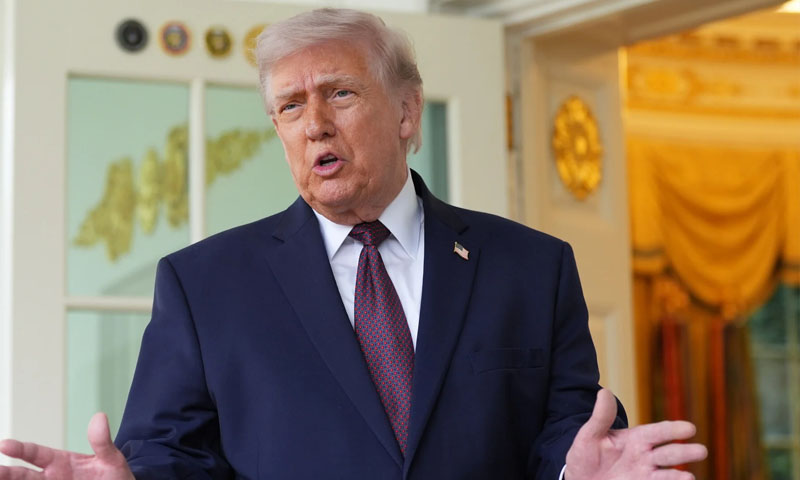
As a key legal deadline under the War Powers Resolution of 1973 expires on Friday, President Donald Trump faces mounting scrutiny over the future of US military operations against Iran, with his administration signalling it may bypass congressional approval by invoking a disputed interpretation of the law.
According to Dawn, the 60-day limit, triggered after Congress was formally notified on March 2 following joint US-Israeli strikes on February 28, requires the president to either secure authorisation from lawmakers or halt military action. However, officials now argue that the deadline does not apply due to a ceasefire reached with Iran on April 7.
According to senior administration figures, the truce effectively marked the end of “hostilities” under the law, allowing operations to continue without violating statutory requirements. Defence Secretary Pete Hegseth reinforced this stance during congressional testimony, suggesting the legal timeline “pauses or stops” during a ceasefire.
Legal dispute and congressional pushback
The administration’s position has drawn sharp criticism from lawmakers and legal experts, who argue that the War Powers Resolution contains no provision allowing a ceasefire to suspend the 60-day clock.
Senator Tim Kaine rejected the claim, insisting that the law does not permit the president to extend military engagement without congressional consent based on a temporary halt in fighting. His objections reflect broader concerns among Democrats that the executive branch is sidestepping Congress’s constitutional authority over war-making.
Enacted after the Vietnam War, the resolution was designed to prevent prolonged military engagements without legislative oversight. While past presidents have often stretched its limits, critics argue the scale and intensity of the current standoff with Iran make such legal manoeuvres harder to justify.
Congress remains divided on the issue. Efforts by Democrats to force a vote on authorising or ending the conflict have repeatedly failed, while Republican leaders, including Senate Majority Leader John Thune, have shown little appetite for confrontation. Still, some within the party, such as Senator Susan Collins, have warned that the deadline is binding and not merely symbolic.
Fragile ceasefire and rising regional tensions
The legal uncertainty unfolds against the backdrop of a tenuous ceasefire between Washington and Tehran. Although direct military clashes have paused, both sides continue to exert pressure through economic and strategic measures.
Iran has tightened its grip on the Strait of Hormuz, disrupting a key global oil route, while the United States has maintained a naval blockade targeting Iranian exports. The standoff has fuelled volatility in energy markets and raised concerns about prolonged instability.
Diplomatic efforts have yet to yield a breakthrough. President Trump has insisted that negotiations are progressing, even as reports suggest military planners are preparing contingency options should the ceasefire collapse.
Analysts say the administration may ultimately reinterpret the truce as the end of one phase of conflict and the start of another, effectively resetting the legal timeline. Such a move could deepen tensions between the White House and Congress, setting the stage for a broader constitutional confrontation over the limits of presidential war powers.
You May Also Like


- WEB DESK
- September 14, 2026
Petrol price rises by Rs4.42, diesel by Rs6.10 per litre

- WEB DESK
- September 14, 2026