
- WEB DESK
- September 14, 2026
Modi consolidates control amid opposition setbacks
-

- Sadia Basharat
- May 6, 2026
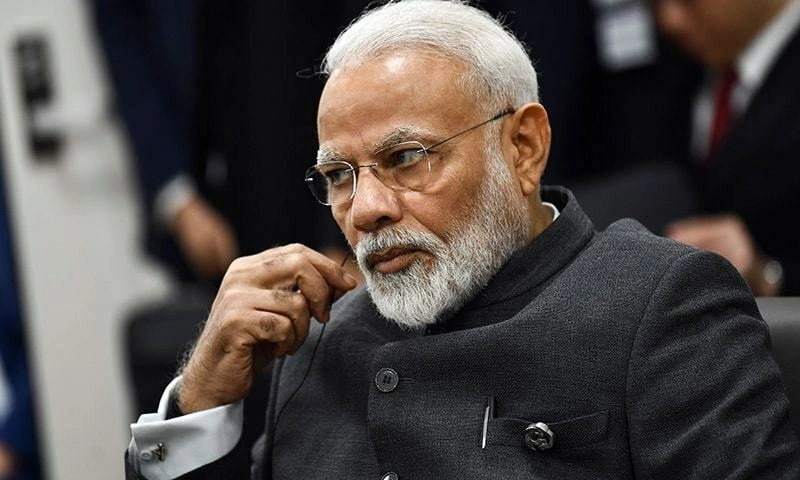
WEB DESK: Following a decisive triumph in the West Bengal state elections, Indian Prime Minister Narendra Modi has reached a level of political dominance unseen in decades.
With the defeat of formidable regional figures like Mamata Banerjee and M.K. Stalin, the Bharatiya Janata Party (BJP) has effectively dismantled the last significant counterweights to its Hindu nationalist agenda.
While the Indian National Congress once held a commanding majority in Parliament, its influence has withered to a historical low, leaving the country increasingly resembling a one-leader state, according to The New York Times.
This shift marks a profound departure from India’s traditional multi-party democracy, drawing comparisons to the suspension of democratic norms during the 1970s Emergency.
The collapse of regional resistance
For over a decade, regional leaders in the north, south, east, and west served as the primary check on the BJP’s centralized authority.
Chief Ministers like Mamata Banerjee of West Bengal and M.K. Stalin of Tamil Nadu represented the final frontier of political opposition. However, this week’s election results have seen these bastions crumble, leaving the opposition with virtually no tangible political power.
The BJP-led governing alliance now controls the vast majority of state legislatures, while Congress the founding party of independent India has seen its presence reduced to just four states, a staggering decline from its previous dominance.
A new era of unilateral governance
The elimination of national and regional rivals has paved the way for Modi to reshape India according to his vision with little internal friction.
A decade ago, he campaigned on the slogan of a “Congress-free India,” and that goal now appears largely realized. As the traditional checks and balances provided by a robust opposition fade, the political landscape is being redefined by a singular authority.
For observers in the region and beyond, this consolidation of power signals a transformative moment in Indian politics, where the diversity of the nation’s political voices is being replaced by a monolithic leadership structure.
You May Also Like
- Reuters
- September 14, 2026
King Charles to host AI executives as threat fears mount

- WEB DESK
- September 14, 2026
