- Monis Siraj
- August 21, 2026
FO confirms Saudi, Turkish, and Egyptian Foreign Ministers to visit Islamabad
-

- Zoya Anwer
- March 28, 2026
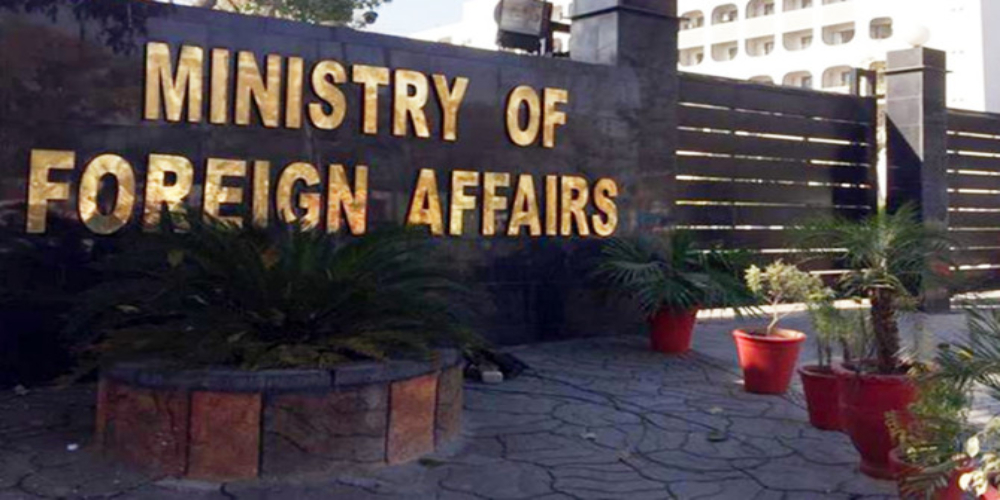
ISLAMABAD: The Foreign Office has confirmed that the Foreign Ministers of Saudi Arabia, Türkiye, and Egypt will visit Islamabad from March 29 to 30, 2026, at the invitation of Pakistan’s Deputy Prime Minister and Foreign Minister, Senator Mohammad Ishaq Dar.
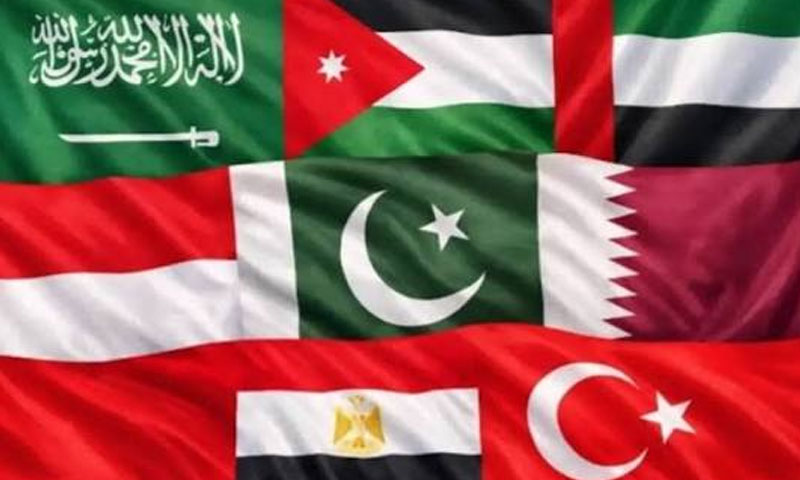
The visiting dignitaries include Saudi Arabia’s H.H. Prince Faisal bin Farhan Al Saud, Türkiye’s H.E. Hakan Fidan, and Egypt’s H.E. Dr. Badr Abdelatty. During their two-day visit, they are expected to hold in-depth consultations on a range of issues, including ongoing efforts to de-escalate regional tensions. The Foreign Ministers will also call on the Prime Minister of Pakistan.
Pakistan regards its relations with Saudi Arabia, Türkiye, and Egypt as highly valued and “brotherly,” according to the Foreign Office. Officials say the visit will serve as an important platform to enhance cooperation and coordination in multiple areas of mutual interest, reinforcing diplomatic, economic, and strategic ties.
This high-level engagement reflects Pakistan’s commitment to maintaining strong partnerships with key regional allies and facilitating dialogue on pressing regional and international issues.
High stake summit
he meeting brings together Pakistan, Saudi Arabia, Türkiye, and Egypt, with officials reportedly exploring a regional security initiative informally dubbed the “Green NATO.” The framework aims to strengthen local deterrence, enhance coordinated diplomacy, and reduce reliance on Western military support.
Islamabad’s role as host highlights Pakistan’s unique position as a neutral mediator between Tehran and the West. Pakistani officials have reportedly facilitated back-channel communications between U.S. and Iranian representatives, including relayed messages to senior figures such as Jared Kushner. Prime Minister Shehbaz Sharif has emphasized Pakistan’s readiness to provide a diplomatic platform for meaningful negotiations, positioning the country as a potential off-ramp for escalating regional conflicts.
The summit’s urgency is amplified by Pakistan’s domestic vulnerabilities. With a 1,000-kilometre border with Iran, the country faces risks of refugee inflows and energy disruptions from the Strait of Hormuz. Following briefings with Field Marshal Asim Munir, Islamabad is implementing a coordinated national response, balancing mediation efforts with rising fuel prices and heightened security requirements. The gathering highlights Pakistan’s dual focus: advancing regional diplomacy while safeguarding its own economic and security interests.