
- WEB DESK
- September 16, 2026
Iran FM’s Islamabad visit signals cautious momentum in US backchannel talks
-

- Zoya Anwer
- April 25, 2026
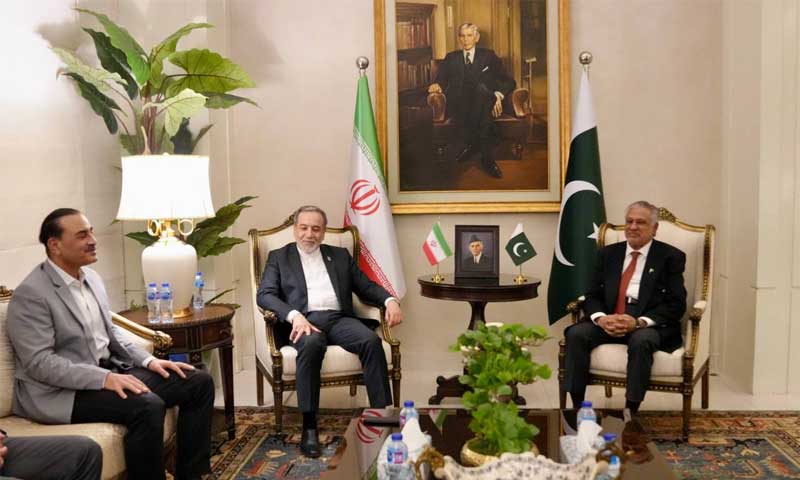
ISLAMABAD: Iranian Foreign Minister Abbas Araghchi arrived in Islamabad late Friday, carrying Tehran’s formal response to proposals relayed by Washington through Pakistan, in a development officials say could modestly advance stalled diplomatic efforts between the United States and Iran.
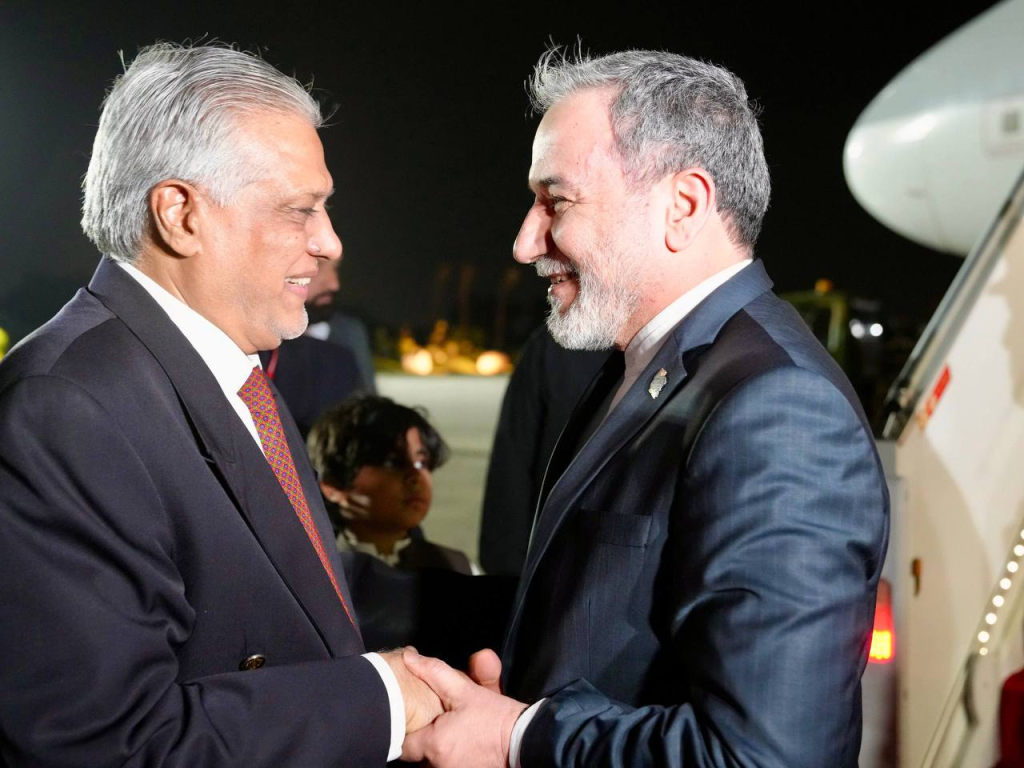
He was received at Nur Khan Airbase by Deputy Prime Minister and Foreign Minister Ishaq Dar, alongside Chief of Army Staff Asim Munir, reflecting the significance Islamabad attaches to the visit amid its ongoing role as a mediator.
According to the Foreign Office, Araghchi is expected to engage with Pakistan’s civilian and military leadership on regional developments and the fragile diplomatic track between Tehran and Washington. His visit comes as the United States prepares to dispatch senior envoys, including Steve Witkoff and Jared Kushner, to Islamabad for consultations facilitated by Pakistan.
Quiet diplomacy gathers pace
Officials familiar with the process said Araghchi’s visit is primarily aimed at conveying Iran’s considered response following internal deliberations. The proposals were delivered last week by Gen Munir during his visit to Tehran, where he acted as an intermediary carrying messages from Washington.
Diplomatic engagement intensified ahead of the trip, with Araghchi holding separate calls with both Dar and Munir. The discussions focused on sustaining the ceasefire and exploring avenues for dialogue. Islamabad has consistently emphasised the need for continued engagement to address key disputes.
In a post on X prior to his departure, Araghchi said his regional tour, which includes stops in Oman and Russia, is intended to strengthen coordination with partner countries and review evolving regional dynamics.
Meanwhile, Pakistan has also maintained parallel outreach. Dar spoke with Russian Foreign Minister Sergey Lavrov, who acknowledged Islamabad’s role in facilitating dialogue. Pakistani officials reiterated their commitment to supporting diplomatic solutions and preventing further escalation.
At the same time, logistical preparations in Islamabad suggest that another round of talks could take shape, though officials remain cautious about timelines. A US advance team is already believed to be in the capital, indicating that groundwork is underway for possible high-level engagement.
Key hurdles still in place
Despite the flurry of diplomatic activity, substantive progress remains uncertain. Iranian officials have maintained that any direct negotiations with Washington hinge on the lifting of the US naval blockade, which Tehran views as a prerequisite for meaningful dialogue.
The broader standoff continues to revolve around unresolved issues, including nuclear restrictions, maritime tensions and the sequencing of concessions. Although a ceasefire brokered earlier this month remains in place, it has been extended without a clear timeframe, reflecting the fragile nature of the current calm.
Signals from Washington also reflect a measured approach. While Witkoff and Kushner are expected to arrive in Islamabad, US Vice President JD Vance has not been scheduled to join immediately. Officials say he remains on standby and could travel if negotiations show tangible progress, particularly if his Iranian counterpart, Mohammad Bagher Ghalibaf, becomes involved.
Conflicting reports around Ghalibaf’s role further highlight the uncertainty. Earlier claims in US media suggested he had stepped down as Iran’s lead negotiator amid internal disagreements. However, Iranian authorities swiftly denied the reports, clarifying that no such resignation had occurred and that his absence from Islamabad was due to the lack of a scheduled negotiation round.
The current phase of diplomacy follows initial direct talks held in Islamabad earlier this month, which concluded without agreement after prolonged discussions but kept communication channels open. Since then, Pakistan has continued to serve as a conduit for indirect exchanges, allowing both sides to recalibrate positions without formally disengaging.
Officials in Islamabad describe the situation as fluid, with mediation efforts focused on bridging gaps between US expectations and Iranian preconditions. While Araghchi’s visit is being viewed as a constructive step, diplomats caution that significant differences persist, and any breakthrough will require sustained engagement and concessions from both sides.
You May Also Like
- Khurram Iqbal
- September 16, 2026
PML-N nominates Dr Najeeb Naqi Khan for AJK president

- WEB DESK
- September 16, 2026